Introduction: What Is a Sea Spider Bite?
When people hear the words sea spider bite, they often imagine a painful or dangerous encounter with a terrifying ocean creature. The name alone sounds alarming. But the truth is quite different from what most people think.
Sea spiders are real marine creatures. They live in oceans all over the world. They look strange and a little scary with their long, thin legs. But they are almost completely harmless to humans. A true sea spider bite on a human is not something that scientists have ever formally documented.
This article covers everything you need to know about sea spiders. We talk about what they are, where they live, how they feed, and whether a sea spider bite is something you should actually worry about. We also explain what to do if you get bitten by something at the beach — because beach encounters with marine creatures do happen.
Read on to get clear, simple, and accurate information about sea spiders and the myth of the sea spider bite.
What Is a Sea Spider?
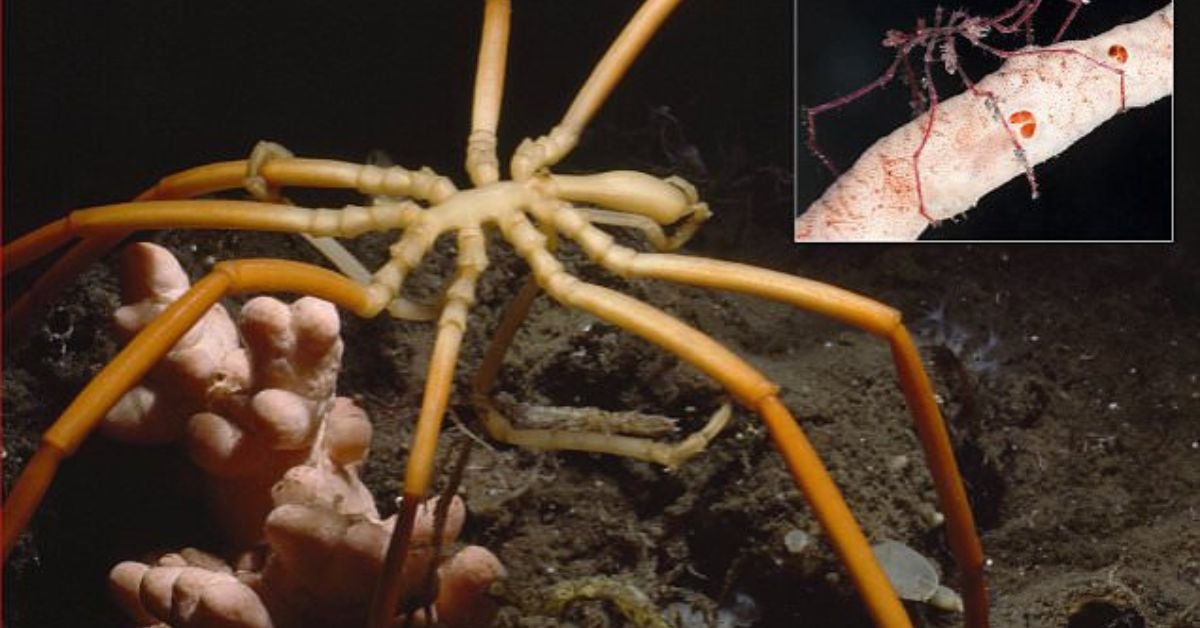
A sea spider is a marine arthropod. It belongs to a class of animals called Pycnogonida. Despite the name, sea spiders are not true spiders. They are not even arachnids in the traditional sense. They belong to a completely separate branch of the arthropod family tree.
Sea spiders are marine arthropods of the class Pycnogonida, with over 1,300 known species. Despite their spindly, spider-like appearance, they are not true spiders or even arachnids. Instead, they are part of a unique evolutionary branch of marine arthropods, more distantly related to creatures like crabs and lobsters.
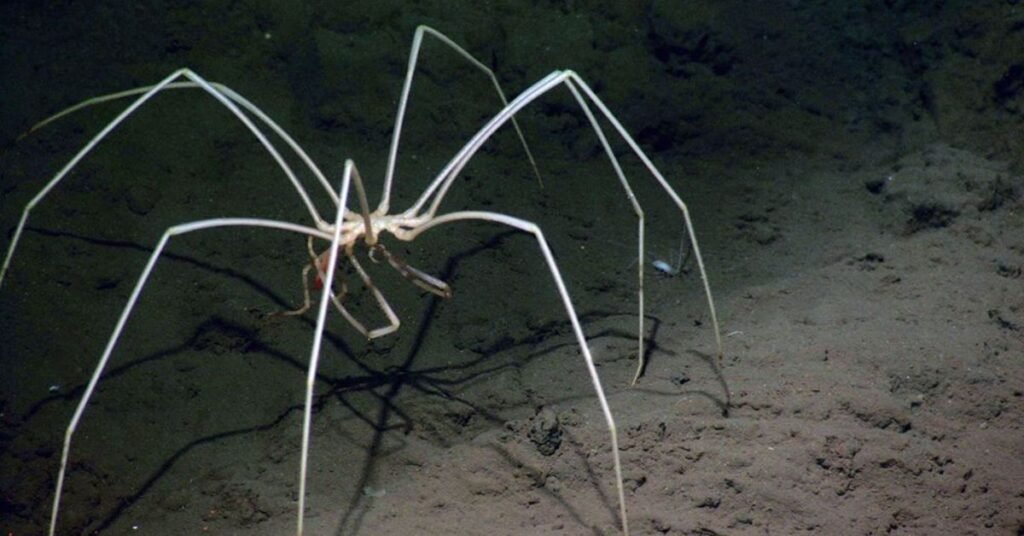
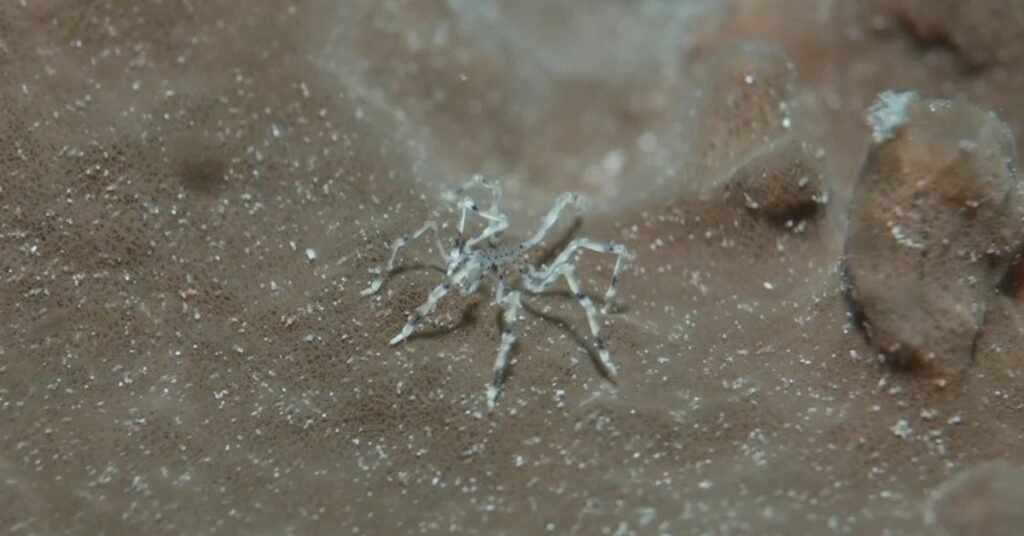
Sea spiders have a very compact body and very long legs. Most of their body mass actually sits in their legs. Their leg count varies from 4 to 6 pairs. The body size ranges from 3 millimeters (1/8 inch). Some deep-sea species can grow much larger, with leg spans reaching up to 70 centimeters.
Sea Spiders are so thin that they do not need a respiratory system, and instead exchange gas through their bodies. This is a fascinating feature that makes them unlike almost any other creature on earth.
Where Do Sea Spiders Live?
Sea spiders live in a wide range of ocean environments. You can find them all over the world.
Australia, New Zealand, and the Pacific coast of the United States, as well as the Mediterranean Sea and Caribbean Sea, and even the north and south poles, are home to sea spiders. They are most common in shallow waters, but can be found as deep as 7,000 metres (23,000 ft), and live in both marine and estuarine habitats. A pycnogonid’s camouflage is excellent underneath rocks and among shoreline algae.
They should live near the coastal shore, sheltering among the seaweed in shallow zones. But it is the largest species of sea spiders (about 20% of them) that can endure the coldest, deepest waters around Antarctica.
Sea spiders are very good at hiding. They blend in with their environment. This means you could walk right past one and never notice it. They live among coral reefs, rocky shores, seagrass beds, and sandy seafloors.
| Habitat Type | Depth Range | Common Region |
| Shallow coastal waters | 0 – 200 m | Worldwide |
| Coral reefs | 0 – 100 m | Tropical oceans |
| Rocky shorelines | Intertidal zone | Worldwide |
| Deep-sea floors | Up to 7,000 m | Global deep oceans |
| Polar regions | Deep cold water | Arctic and Antarctic |
How Does a Sea Spider Feed?
Understanding how a sea spider feeds is key to understanding why a sea spider bite on a human is not really possible.
Sea spiders do not have fangs. They do not have venom glands like land spiders do. Instead, they feed using a special organ called a proboscis.
A long proboscis allows them to feed by sucking juices from soft-bodied invertebrates. Pycnogonids vaguely resemble spiders, with small bodies and relatively long, hinged legs.
To keep food particles out of the muscular proboscis, sea spiders can only feed on liquids. This means their entire feeding system is built around liquid extraction from tiny, soft sea creatures.
Several species of sea spiders feed on soft-bodied invertebrates such as cnidarians, sponges, polychaete worms, and bryozoans. They use their long, tubular proboscis to pierce the prey’s tissues and extract internal fluids.
The proboscis of a sea spider is designed for very soft, small marine prey. It is not designed to pierce human skin. Human skin is far too tough for these tiny creatures to penetrate.
The tip of the proboscis has three lips. There are species of sea spiders that have teeth on their lips, and others that have spines on their lips. Even so, these structures are microscopic and built for tiny invertebrates — not humans.
Can a Sea Spider Bite Humans?
This is the big question. Can a sea spider actually bite you?
The short and clear answer is: No, not really.
Sea spiders cannot meaningfully bite humans. Sea spiders do not have fangs. They do not have venom glands. Their proboscis is built specifically for sucking soft-bodied invertebrates. It would not be possible for a sea spider to cause a wound even if it attempted to touch you. Their mouthparts are tiny and weak. They pose zero threat to humans.
No documented case exists of a sea spider attacking a human. Scientific observations confirm these creatures avoid interaction, retreating instantly if approached.
So when someone asks about a sea spider bite, the honest answer is that it simply does not happen. Sea spiders are passive, slow-moving creatures. They have no reason to approach a human. They cannot bite through human skin. And they carry no venom that affects people.
Sea spiders only look frightening, but do not pose a danger to humans. “Although sea spiders might haunt the dreams of arachnophobes, they are actually harmless to humans, and lack the fur and fangs that make terrestrial spiders so scary.”
Are Sea Spiders Venomous or Poisonous?
Many people wonder if sea spiders carry venom or toxins. This is a fair question. After all, many marine creatures are highly toxic.
None of the species are poisonous or dangerous to humans. Some species can inject venom into humans and other animals, but similar to many house spiders, the venom is not powerful enough to have a significant impact on the human body.
This means that even in the extremely rare case where a sea spider made some contact with human skin, the effect would be negligible. There is no medically significant venom in any known sea spider species.
Sea spiders are not like jellyfish, stonefish, or blue-ringed octopuses. Those creatures carry toxins that can seriously harm or even kill a person. Sea spiders are simply not in that category. They are gentle, passive marine animals.
What Could Actually Bite You at the Beach?
If you feel something bite or sting you at the beach or in the ocean, it is almost certainly not a sea spider. Many other marine creatures can cause bites, stings, and skin reactions.
If you are stung or bitten by something at the beach and you are unsure of the cause, do not automatically assume it was a sea spider. It is far more likely to be a jellyfish sting, a sea urchin spine, or a bite from a different type of marine creature entirely.
Here is a quick comparison of common beach and ocean creatures that can cause injuries:
| Creature | Type of Injury | Severity |
| Jellyfish | Sting from tentacles | Mild to severe |
| Sea urchin | Spine puncture | Mild to moderate |
| Blue-ringed octopus | Venomous bite | Extremely dangerous |
| Stonefish | Venomous spine puncture | Extremely dangerous |
| Land/beach wolf spider | Bite | Mild, not medically dangerous |
| Dock/fishing spider | Bite | Mild, rarely bites |
| Sea spider | No real bite | Not dangerous |
Beach wolf spiders are the spiders you are more likely to encounter in the sand near the shore. They are fast-moving and can look alarming. Their bite may cause mild pain or slight swelling, but it is not medically dangerous for most people.
So if you think you have a sea spider bite, take a moment to consider what else might have caused your symptoms. It is very likely something else entirely.
What Does a Real Spider Bite Feel Like?
Since sea spiders do not bite humans, this section focuses on land-based spider bites, which are far more common and more medically relevant.
Most people with spider bites experience mild symptoms like pain and swelling. These symptoms gradually go away with at-home care. You may have more painful and severe symptoms if a black widow, brown recluse, or hobo spider bites you.
Black widow spider bites cause an immediate, sharp, pinprick-like pain. The bite area then becomes numb. Other signs of a black widow spider bite include difficulty breathing, droopy or swollen eyes, increased saliva production, nausea and vomiting, painful muscle cramps, profuse sweating, and itchy skin rash. Brown recluse spider bites are not immediately painful or noticeable. Instead, you might feel pain an hour after the bite.
Most regular spider bites cause only minor symptoms. But bites from dangerous species need prompt medical attention.
Common Symptoms of a Spider Bite
When a land spider bites, you may notice:
Mild symptoms — redness, swelling, and a small bump at the site. These usually go away in a few days with basic care.
Moderate symptoms — increasing pain, blistering, or a rash around the bite area. These may need medical attention.
Severe symptoms — muscle cramps, difficulty breathing, nausea, vomiting, and fever. These need emergency care immediately.
How to Treat a Spider Bite at Home
If a land spider bites you near the ocean or beach, here is what you should do:
Wash the area with soap and water. For a harmless spider bite, apply a small amount of antibiotic wound ointment, cream, or gel if you have no known allergies or sensitivities. Apply a cold pack wrapped in a thin, dry towel.
For a black widow spider bite, you may need emergency care right away. Depending on the severity of the bite, treatment may include muscle relaxants, pain relievers and other medicines, and supportive care. In rare cases, a medicine called antivenin may be needed.
Always keep your tetanus vaccinations up to date. Spider bites can carry tetanus spores.
When to See a Doctor
You should see a doctor if:
The bite area grows larger or becomes very red and hot to the touch. You develop a fever or feel generally unwell. You experience muscle cramps or difficulty breathing. A blister forms and then opens into an ulcer. You are not sure what bit you.
Sea Spider Bite vs. Other Ocean Stings: How to Tell the Difference
People sometimes confuse sea spider bites with other ocean injuries. Here is how to tell what may have happened to you.
A jellyfish sting usually causes a burning, stinging sensation right away. You may see red lines on your skin where the tentacles touched you. The pain can be intense.
A sea urchin spine causes a sharp, puncture-type pain. You may be able to see or feel the spine in your skin. The area swells and becomes red.
A marine spider bite near the beach (from a land-based beach spider) may cause a small red bump with mild swelling. It looks similar to a mosquito bite in most cases.
A sea spider encounter causes nothing. You may not even know a sea spider was near you. These creatures retreat from humans immediately and cannot cause any injury.
Why Do People Fear Sea Spiders?
The fear around sea spiders mainly comes from how they look. They have long, spindly legs. They move slowly across the ocean floor. In deep-sea footage, they can look truly alien and unsettling.
The perception of sea spiders as dangerous monsters likely stems from their otherworldly appearance — long, thin legs stretch far beyond their compact bodies, giving them an eerie, alien quality. Some sailors’ tales and popular media amplify fears, portraying them as menacing deep-sea beasts.
But fear based on appearance alone is not the same as actual danger. Sea spiders are slow, passive, and completely uninterested in humans. They are far more likely to run from you than toward you.
In fact, sea spiders play an important role in ocean ecosystems. They help control populations of soft-bodied invertebrates. They are a food source for fish, crabs, and sea anemones. Without them, ocean ecosystems would be different.
How to Stay Safe Near Marine Creatures
Even though a sea spider bite is not a real threat, there are still good practices to follow when you are in or near the ocean.
Watch where you step on rocky shores and reef areas. Many dangerous creatures like stonefish and sea urchins hide in these zones.
Wear protective footwear when walking in shallow water. This protects your feet from spines, shells, and hidden creatures.
Do not touch marine creatures you do not recognize. This applies to any animal — including sea spiders. Even harmless creatures may react unexpectedly if they feel threatened.
Learn what lives in your local waters. Knowing what creatures are common in your area helps you identify any potential risks.
Seek medical help quickly if you feel a bite or sting and are not sure what caused it. Quick treatment prevents complications.
Read for more info: https://wildtrailsapp.com/loudest-animal-on-earth/
Sea Spiders and Their Role in the Ocean
Sea spiders are more interesting than most people realize. Scientists study them to better understand marine ecosystems and the evolution of arthropods.
From shallow coral reefs to the pitch-black ocean floor, sea spiders have adapted to all kinds of environments. There are more than 1,300 known sea spider species, and marine biologists continue to discover more, especially in deep-sea habitats.
Many sea spiders live in sandy seafloor habitats that are heavily impacted by destructive human activities like trawling, where fishing nets are dragged over the seafloor. Sea spider species from cold water ecosystems in the North and South Poles are especially vulnerable to warming ocean temperatures resulting from climate change.
Scientists now use sea spiders as indicators of ocean health. Because they are sensitive to environmental changes, shifts in their populations can signal bigger problems in the ocean.
Conclusion
The idea of a dangerous sea spider bite is largely a myth. Sea spiders are fascinating, alien-looking creatures. But they are harmless to humans. They cannot bite through human skin. They carry no venom that affects people. No documented sea spider attack on a human exists anywhere in scientific literature.
If you encounter a sea spider while diving, snorkeling, or walking along a rocky shore, there is no need to panic. Simply observe it from a respectful distance. These creatures retreat instantly from humans and have no interest in causing harm.
What you should watch out for at the beach are other marine creatures — jellyfish, sea urchins, and highly venomous species like the blue-ringed octopus or stonefish. These are real threats. A sea spider is not.
Respect the ocean. Learn about the creatures in it. And remember that something looking scary does not always mean it is dangerous. Sea spiders are proof of that.
Frequently Asked Questions (FAQs)
Q1: Can a sea spider bite kill you?
No. A sea spider bite cannot kill a human. Sea spiders do not have venom glands or fangs capable of piercing human skin. They are completely harmless to people. There is no documented case of a sea spider causing any medical harm to a human being.
Q2: What should I do if I think a sea spider bit me at the beach?
If you feel something bite or sting you at the beach, it is almost certainly not a sea spider. It is more likely a jellyfish sting, a sea urchin spine, or a land-based beach spider. Clean the area with soap and water, apply a cold compress, and see a doctor if symptoms worsen or you feel unwell.
Q3: Are sea spiders related to land spiders?
Sea spiders look similar to land spiders, but they are a completely different class of animal. They belong to the class Pycnogonida. Land spiders are arachnids. Sea spiders are more distantly related to crabs and lobsters than to true spiders. They share the phylum Arthropoda but little else.
Q4: Where are sea spiders found most commonly?
Sea spiders are found in every ocean in the world. They are most common in shallow coastal waters, rocky shorelines, and coral reefs. Some deep-sea species live more than 7,000 meters below the surface. They are well camouflaged and often hidden among algae, seaweed, and rocks.
Q5: Do sea spiders have any predators?
Yes. Sea spiders are eaten by fish, crabs, and sea anemones. They are a natural part of the marine food chain. Their slow movement and camouflage help them avoid predators, but they are still a food source for many ocean animals.