What Is Croom Wildlife Management Area?
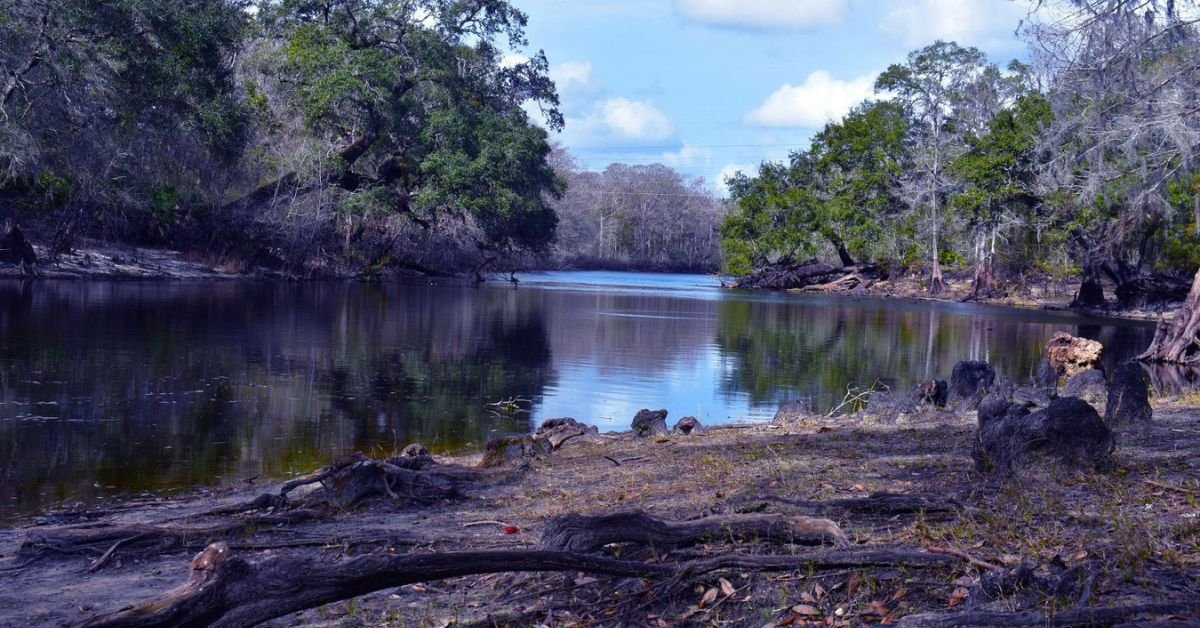
Croom Wildlife Management Area is one of Florida’s most exciting outdoor destinations. It sits in Hernando and Sumter counties, just northeast of Brooksville. This remarkable area covers more than 20,000 acres of pristine Florida wilderness. It forms a major part of the Withlacoochee State Forest and stretches along 13 winding miles of the Withlacoochee River. The Florida Fish and Wildlife Conservation Commission (FWC) manages this area in cooperation with the Florida Forest Service.
Croom Wildlife Management Area serves two main goals. First, it protects Florida’s native wildlife and natural habitats. Second, it gives outdoor lovers a place to hike, hunt, fish, bike, and explore. The area was once used for cattle ranching, silviculture, and agriculture. Over time, the state of Florida bought the land to protect its rich natural resources.
Today, Croom WMA stands as a living example of Florida’s commitment to conservation and public recreation. Whether you love quiet nature walks or thrilling ATV rides, this place has something for everyone.
Where Is Croom Wildlife Management Area Located?
Croom Wildlife Management Area sits in Hernando and Sumter counties in central Florida. It lies northeast of Brooksville, which is a small city in Hernando County. The area is easy to reach from several nearby cities. Tampa is about 45 miles south, and Orlando is roughly 70 miles east. This central location makes Croom WMA a great day trip or weekend getaway for millions of Florida residents.
The area connects directly to the larger Withlacoochee State Forest. This forest is one of the biggest state forests in Florida. The Withlacoochee River flows through the heart of Croom WMA, adding beauty and biodiversity to the landscape. Silver Lake is also part of the area, giving visitors a calm and scenic water feature to enjoy.
Most roads inside the area are sandy and unpaved. A four-wheel drive vehicle is strongly recommended if you plan to drive through the interior roads. Always check with the FWC for road conditions and trail access before you visit.
The Natural Landscape of Croom Wildlife Management Area
The natural scenery at Croom Wildlife Management Area is truly stunning. The landscape includes several different types of habitats, which is what makes this area so special. You will find ancient sandhills covered with tall longleaf pine trees. These trees tower above a carpet of wiregrass and low shrubs. The sandhill ecosystem supports many unique Florida species that depend on this fire-adapted environment.
You will also find wide-open pine flatwoods that stretch for miles. These flat, open spaces are perfect for hiking and cycling. Along the Withlacoochee River, the landscape changes completely. Thick cypress swamps and hardwood hammocks line the riverbanks. These wet, shady areas are full of life.
Bald cypress trees rise from the water with their distinctive knees pointing up from the ground. Live oaks, sweetgum trees, and water tupelo fill out the hardwood zones. This mix of habitats creates a rich environment that supports hundreds of wildlife species. The changing scenery also makes every visit feel fresh and new.
Wildlife You Can See at Croom Wildlife Management Area
Croom Wildlife Management Area is home to an impressive variety of Florida’s native animals. Wildlife lovers come here from across the state just to spot these amazing creatures. The most commonly seen large animal is the white-tailed deer. You can spot them grazing in open areas, especially in the early morning and late afternoon. Wild turkeys also roam freely through the forest and open fields.
Fox squirrels are another treat for visitors. These large, colorful squirrels are less common than gray squirrels and are a real delight to see. Alligators live in and around the Withlacoochee River and Silver Lake. Gopher tortoises burrow in the sandy soils of the sandhills. You may even catch a rare glimpse of a Florida black bear or a bobcat on a quiet trail.
Bird watchers find Croom WMA especially rewarding. The red-cockaded woodpecker, an endangered species, nests in old-growth longleaf pines here. The Forest Service does controlled burns specifically to keep this habitat healthy for these birds. If you see a tree with a white ring painted around its trunk, that marks a woodpecker nesting site. Leave it alone and enjoy the view. Swallow-tailed kites also visit the area.
These elegant birds soar high above the treetops during migration season. Limpkins, wading birds, and many other species round out the bird list. Bring binoculars and a field guide for the best birdwatching experience.
| Wildlife Type | Species Found at Croom WMA |
| Mammals | White-tailed deer, Florida black bear, bobcat, fox squirrel |
| Reptiles | Alligator, gopher tortoise, various snakes |
| Birds | Red-cockaded woodpecker, swallow-tailed kite, limpkin, wild turkey |
| Fish | Largemouth bass, sunfish, and freshwater species in the river |
Hiking Trails at Croom Wildlife Management Area
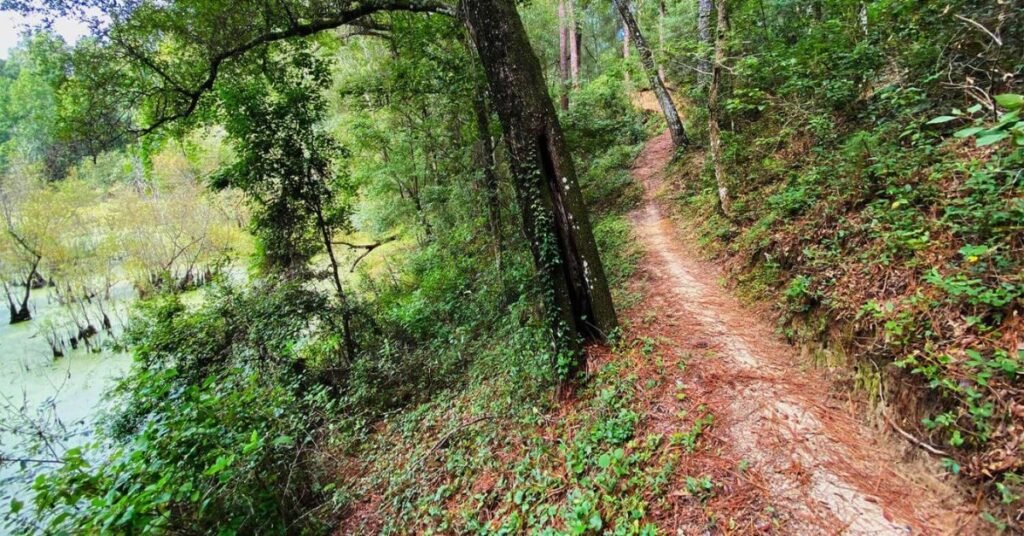
Hikers love Croom Wildlife Management Area for its extensive trail system. The area offers 31 miles of dedicated hiking trails that wind through different ecosystems. You can walk through pine forests, past cypress swamps, and along the riverbanks all in a single day. The trails range from easy flat walks to more challenging routes that require good footwear.
The Scenic Trail is one of the most popular hiking routes in the area. It takes you through some of the most beautiful parts of Croom WMA and offers excellent views of the natural landscape. Trail conditions can vary based on weather and season. Sandy paths can be dry and loose in summer, while the rainy season can make some trails muddy and wet. Always wear sturdy hiking boots and carry plenty of water.
Cell service is spotty deep in the forest, so download offline maps before your visit. The Avenza Maps app works well with GPS even without a signal. Hikers also share the trails with cyclists and horse riders in some sections, so stay aware of your surroundings and be courteous to other trail users.
Mountain Biking and Cycling at Croom Wildlife Management Area
Croom Wildlife Management Area is a dream destination for mountain bikers in Florida. The area features 64 miles of biking trails, making it one of the best cycling destinations in the entire southeastern United States. These trails are not your typical flat, easy rides. Because of old mining pits in the area, the trails have natural flow and interesting terrain features.
The most famous cycling route here is known as “The Croom 35.” This trail system is considered some of the most technical mountain biking terrain in the Southeast. A local trail group called the Fat Tire Experts maintains these trails and does an outstanding job keeping them in great shape.
Expect roots, limestone rocks, and sandy sections that challenge even experienced riders. The paved Withlacoochee State Trail also passes through the area. This trail is perfect for road cyclists and casual riders who want a smooth, scenic ride. No matter your skill level, Croom WMA has a cycling experience for you. Always bring extra water, a repair kit, and a helmet.
Horseback Riding at Croom Wildlife Management Area
Horseback riders will find Croom Wildlife Management Area to be a paradise. The area provides 43 miles of dedicated equestrian trails through its stunning landscapes. These trails take riders through longleaf pine forests, past wetlands, and along scenic river corridors. The wide, well-maintained paths are perfect for horses of all experience levels.
There are important rules riders must follow. All horseback riders must carry proof of a current negative Coggins Test for their horses when on state lands. This is a requirement on all Florida state properties and helps prevent the spread of equine diseases. Children under 16 years old must wear a helmet while horseback riding on public lands, as required by Nicole’s Law.
Riders should stay on designated equestrian trails and not take their horses onto hiking-only or biking-only paths. Horses are not allowed in the Croom Motorcycle Area for safety reasons. With proper preparation, horseback riding at Croom WMA is an unforgettable experience through some of central Florida’s most beautiful natural scenery.
Hunting at Croom Wildlife Management Area
Croom Wildlife Management Area is one of Florida’s top hunting destinations. The FWC manages regulated hunting seasons for a variety of game animals. Hunters come here for white-tailed deer, wild turkey, wild hog, and small game like squirrels and rabbits. The area also has seasons for fox, raccoon, opossum, and bobcat. Hunting is carefully regulated to keep animal populations healthy and sustainable.
Different weapon seasons are available at different times of year. These include archery season, crossbow season, muzzleloader season, and general gun season. Each season has specific dates and rules. Before you visit, always download the FWC’s annual Croom WMA brochure.
This document lists exact season dates, permitted zones, and all current regulations. A valid Florida hunting license and a management area permit are required. During hunting season, non-hunters should wear blaze orange clothing for safety. Some trails may be restricted during high-intensity hunting days. Always check the FWC website before your visit to know which areas are open and what rules apply during your chosen dates.
| Hunting Category | Game Species |
| Big Game | White-tailed deer, wild hog |
| Turkey | Wild turkey (spring and fall seasons) |
| Small Game | Squirrel, rabbit |
| Furbearers | Fox, raccoon, opossum, bobcat |
Fishing at Croom Wildlife Management Area
Fishing fans have plenty to enjoy at Croom Wildlife Management Area. The Withlacoochee River flows through the heart of the area and provides excellent freshwater fishing. The river and surrounding ponds are full of largemouth bass, sunfish, and other native freshwater species. Bass fishing is especially popular here, and many anglers return year after year for the great catches.
The area has three boat ramps that make it easy to launch a canoe, kayak, or small motorboat onto the river. Paddling the Withlacoochee River is a peaceful and rewarding experience. You glide through cypress-lined banks, past hanging Spanish moss, and through habitats alive with birds and other wildlife. Silver Lake is another popular fishing spot within Croom WMA.
It offers calm, quiet waters perfect for a relaxing day on the water. A valid Florida fishing license is required for all anglers aged 16 and older. Always follow FWC fishing regulations and check for any special rules that apply to specific water bodies within the management area.
Camping at Croom Wildlife Management Area
You can spend the night under the stars at Croom Wildlife Management Area. The area has five designated camping zones where visitors can set up camp. These are primitive camping areas, which means they are basic and natural. Most areas have no running water or electrical hookups. Some sites may have fire rings or picnic tables, but amenities are minimal. This is true wilderness camping.
The Croom Tract Primitive Camp Zone is a hike-in, hike-out campsite. You carry everything in and everything out. There is no potable water available at most sites, so campers should cache water in advance or carry enough from outside. Reservations can be made online through the Florida State Forests reservation system. Hunting camp sites require proof of a valid hunting license or management area stamp to reserve.
Generators must shut down between 10 PM and 5 AM to keep the area peaceful. No cutting or damaging of live trees is allowed. For those who want to stay near the Croom Motorcycle Area, there is a separate developed campground specifically for OHV riders. Camping at Croom WMA is an amazing way to connect deeply with Florida’s wild nature.
ATV and Dirt Bike Riding at Croom Wildlife Management Area
Croom Wildlife Management Area is famous across Florida for its off-highway vehicle (OHV) riding area. The Croom Motorcycle Area covers about 2,600 acres of designated trails and open terrain for dirt bikes and ATVs. This is one of the largest managed OHV areas in the state. Riders of all experience levels come here to enjoy the sandy trails, berms, and open spaces.
The Croom Motorcycle Area operates separately from the rest of the WMA. It has its own campground and trailhead. Riders must follow all posted speed limits and safety guidelines within this zone. Dogs are not permitted in the motorcycle area for the safety of both animals and riders. Non-motorized trail users, including hikers and cyclists, should avoid the OHV zone.
The sound of engines fills this corner of the WMA, which is why it is kept well away from the quieter natural areas. If you are bringing a dirt bike or ATV to Croom WMA, this is your spot. Just make sure your vehicle is properly registered and that you wear appropriate safety gear at all times.
Read for more info: https://wildtrailsapp.com/woodbury-wildlife-area/
Best Time to Visit Croom Wildlife Management Area
Timing your visit to Croom Wildlife Management Area can make a big difference in your experience. The best time to visit is during the cooler months from October through April. Florida summers are hot and very humid. Temperatures often climb above 90°F, and the thick forest air makes it feel even hotter. The rain also comes heavily during the summer months, which can make sandy trails muddy and difficult.
From October to April, the weather is much more pleasant. Temperatures are mild, skies are often clear, and the lower humidity makes outdoor activities much more enjoyable. This is also the best time for wildlife viewing, as animals are more active in cooler weather.
Early mornings and late afternoons are the best times of day to spot deer, turkeys, and birds. Keep in mind that hunting season runs mainly from November through January. During this time, check trail closures and wear blaze orange if you visit. Spring brings wildflower blooms and migrating birds, making it one of the most beautiful times to explore the trails.
Tips for Visiting Croom Wildlife Management Area
A little planning goes a long way when you visit Croom Wildlife Management Area. Here are some important tips to make your trip safe and enjoyable.
Download offline maps before you leave home. Cell service is unreliable deep in the forest. The Avenza Maps app works great with GPS without needing a signal. Always bring more water than you think you need. Florida’s heat and humidity drain your body quickly, even on cooler days.
Check the FWC website before your visit. Rules, trail closures, and hunting season dates change throughout the year. Wear blaze orange clothing if you visit during any hunting season. Most trailheads have a small day-use fee of around $2 per person. This is an honor system using a metal box at the trailhead. Bring small bills. That money goes directly toward trail maintenance.
If you bring your dog, keep it on a leash at all times. Dogs are allowed in most areas but are not permitted in the Croom Motorcycle Area or in zones marked “Closed to Pets.” Most interior roads are sandy and rough. A four-wheel drive vehicle is strongly recommended. Pack sunscreen, insect repellent, and a basic first aid kit for any outdoor adventure.
Conservation Efforts at Croom Wildlife Management Area
Croom Wildlife Management Area plays a vital role in Florida’s conservation story. The FWC and the Florida Forest Service work together to protect and restore the natural ecosystems here. Prescribed burns are one of the most important management tools used at Croom WMA. Controlled fires mimic the natural fire cycle that Florida’s longleaf pine and wiregrass ecosystems depend on.
These burns clear out overgrown underbrush, reduce wildfire risk, and create the open, grassy habitat that the endangered red-cockaded woodpecker needs to survive.
Invasive species removal is another major conservation effort in the area. Non-native plants and animals can quickly take over and push out native species. The management team works hard to keep invasive plants under control.
The area also protects the gopher tortoise, which is a keystone species in Florida’s sandhill ecosystem. The tortoise’s burrows provide shelter for over 350 other species. By protecting the tortoise’s habitat, the entire ecosystem benefits. Croom WMA is a perfect example of how responsible land management can protect nature while still welcoming the public for recreation.
Conclusion
Croom Wildlife Management Area is truly one of Florida’s greatest outdoor treasures. Spanning more than 20,000 acres of longleaf pine forests, cypress swamps, and river corridors, it offers something for every type of outdoor enthusiast. Whether you come to hike quiet trails, mountain bike challenging terrain, watch rare birds, hunt game, fish the river, or ride ATVs through open sandy terrain, Croom WMA delivers an authentic Florida wilderness experience.
The area’s dual mission of conservation and recreation makes it unique. It protects endangered species like the red-cockaded woodpecker while welcoming hikers, hunters, anglers, and riders.
The Florida Fish and Wildlife Conservation Commission does an excellent job managing this balance. Plan your visit during the cool season, bring enough water, check the rules, and prepare for an adventure you will not forget. Croom Wildlife Management Area is waiting for you.
Frequently Asked Questions About Croom Wildlife Management Area
Q1: Where is Croom Wildlife Management Area located?
Croom Wildlife Management Area is located in Hernando and Sumter counties in central Florida, just northeast of Brooksville. It is part of the larger Withlacoochee State Forest. The area is roughly 45 miles north of Tampa and about 70 miles west of Orlando, making it a convenient destination for day trips and weekend getaways.
Q2: Is there a fee to enter Croom Wildlife Management Area?
General day-use access for hiking and biking at Croom Wildlife Management Area is free. However, most trailheads have a small honor-system fee of around $2 per person. Specific activities like hunting, fishing, and camping require valid FWC licenses or permits. Always check the current fee requirements on the FWC website before your visit.
Q3: What animals can you see at Croom Wildlife Management Area?
Visitors can see white-tailed deer, wild turkeys, fox squirrels, alligators, gopher tortoises, Florida black bears, and bobcats. Bird watchers can spot the endangered red-cockaded woodpecker, swallow-tailed kites, limpkins, and many other species. The best time for wildlife viewing is early morning or late afternoon during the cooler months from October to April.
Q4: Can you camp at Croom Wildlife Management Area?
Yes, Croom Wildlife Management Area has five designated camping areas. Most are primitive, meaning no water or electricity is provided. The campsite near the Croom Motorcycle Area has more facilities for OHV riders. Reservations can be made online through the Florida State Forests booking system. Hunting camp sites require proof of a valid hunting license.
Q5: Do I need a permit to hunt at Croom Wildlife Management Area?
Yes, hunters need a valid Florida hunting license and a management area permit to hunt at Croom Wildlife Management Area. Different seasons apply for deer, turkey, hog, and small game. Always download the annual FWC Croom WMA brochure for exact season dates, rules, and permitted zones. Wearing blaze orange is strongly recommended during all hunting seasons.