Why a National Park Vacation Is Worth Your Time
A national park vacation gives you something a normal trip cannot. You get fresh air, open skies, and views that stay in your memory forever. Millions of people choose parks over crowded cities every year, and the number keeps growing.
In fact, US national parks recorded <cite index=”8-1″>323 million recreation visits in 2025, with 26 sites setting visitation records</cite>.
This kind of trip is also gentle on your wallet. You don’t need fancy hotels or expensive tickets. Most parks charge a small entry fee, and many offer free days throughout the year. You can camp, hike, or just drive through and enjoy the view.
A national park vacation also works for all types of travelers. Families with kids can walk short, easy trails. Adventure lovers can climb steep peaks. Older travelers can enjoy scenic drives without much walking. This flexibility makes national parks a smart pick for any group.
Nature also helps your mind relax. Studies show that time outdoors lowers stress and improves mood. So when you plan your next getaway, think beyond hotels and malls. Think trees, rivers, and quiet trails instead.
Best Time to Plan Your National Park Vacation
Timing matters a lot when you plan a national park vacation. Weather, crowd size, and road access all change with the seasons. Picking the wrong month can mean closed roads or packed parking lots.
Summer is the busiest season. Roads are fully open, and daylight hours stretch long. This is the best window for high-mountain parks like Glacier or Rocky Mountain, since snow blocks their roads the rest of the year. But summer also brings the biggest crowds, so book early.
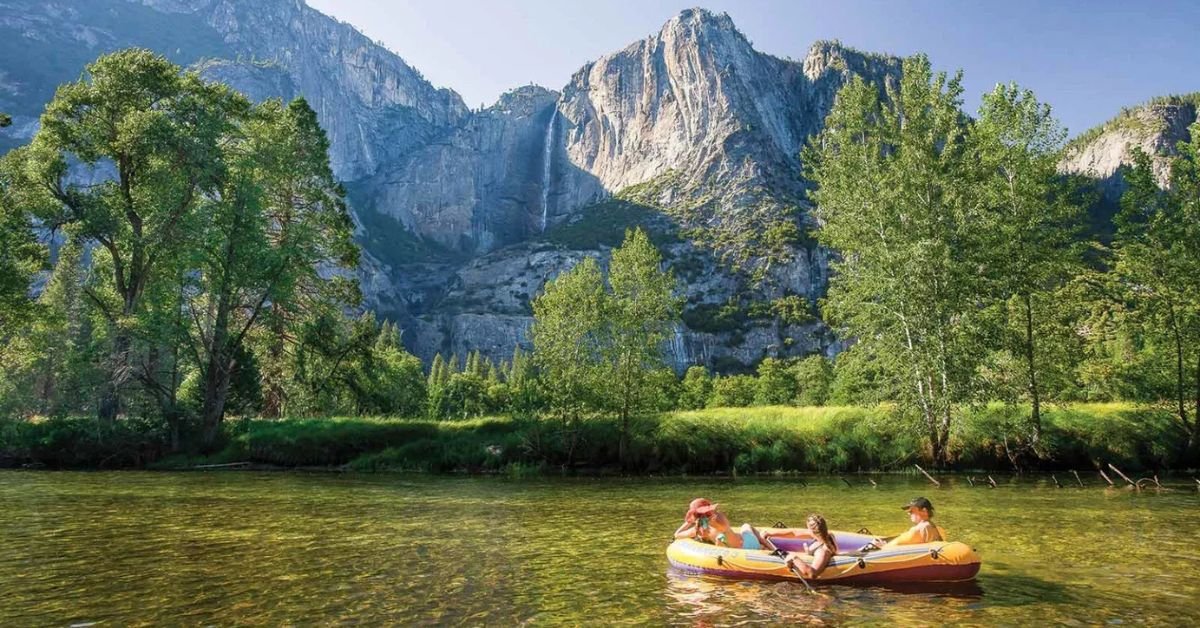
Fall offers a quieter, calmer trip. Yosemite, for example, shows its best face in <cite index=”8-1″>early to mid-October, when summer crowds have gone, but winter closures haven’t yet fully arrived</cite>. Trails stay open, weather stays mild, and you get golden leaves as a bonus.
Winter suits desert parks best. Places like Joshua Tree and Saguaro turn pleasant when the rest of the country turns cold. Spring works well for wildflower blooms and lower prices before the summer rush begins.
| Season | Best For | Things to Watch |
| Spring | Wildflowers, mild weather | Some roads are still closed |
| Summer | Mountain parks, full access | Heavy crowds, high prices |
| Fall | Fewer crowds, fall colors | Shorter daylight hours |
| Winter | Desert parks, quiet trails | Cold nights, limited services |
Top National Parks to Consider for Your Trip
Choosing the right park can feel confusing since the US alone protects dozens of them. Each one has its own charm, so your pick should match your interests and fitness level.
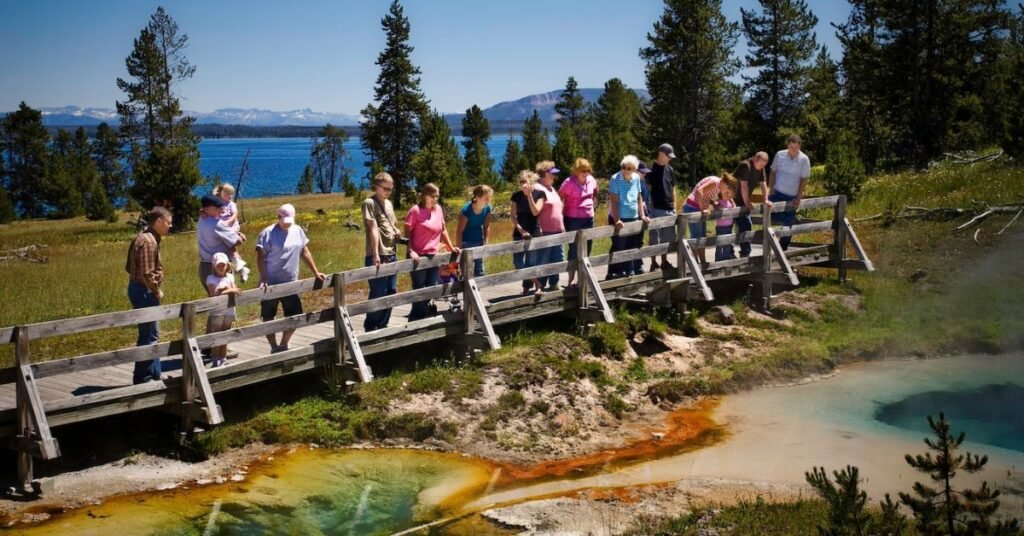
Yellowstone remains a favorite for wildlife and geothermal wonders. You can watch bison roam free and see geysers shoot water into the sky. Grand Canyon offers jaw-dropping views that photos never fully capture. Zion attracts hikers who want a real challenge, especially on its famous narrow trails.
Families often prefer the Great Smoky Mountains. It has gentle slopes, misty ridges, and no entrance fee at all. It also happens to be <cite index=”5-1″>the most visited park, drawing over 12 million visits each year</cite>. Glacier National Park suits travelers who love turquoise lakes and dramatic peaks, often called the Crown of the Continent.
If you want fewer people around, try lesser-known spots. Some remote parks in Alaska see <cite index=”5-1″>fewer than 10,000 visitors per year, offering true wilderness solitude</cite>. These quiet corners reward travelers who don’t mind a longer journey.
| Park | Known For | Best Season |
| Yellowstone | Geysers, wildlife | May, September |
| Grand Canyon | Massive canyon views | Spring, fall |
| Zion | Bold hikes, red rock | Spring, fall |
| Great Smoky Mountains | Easy trails, no fee | Summer, fall |
| Glacier | Lakes, mountain peaks | Summer |
How to Budget for a National Park Vacation
Money worries stop many people from planning a trip. The good news is that a national park vacation can fit almost any budget. Entry fees usually range from free to about $35 per vehicle, and this fee often covers a full week.
Camping saves the most money. A tent site inside most parks costs far less than a hotel room outside the gates. Pack your own food too, since park stores often charge more than regular grocery stores.
If camping isn’t your style, look at towns near the park entrance. These towns usually have cheaper lodges than big resort chains. Booking a few months early also helps you lock in lower prices before rooms fill up.
Transport costs depend on distance. Driving your own car saves money compared to flying and renting. If you fly, try to bundle your park pass with a rental car deal for extra savings. Many parks also accept the America the Beautiful Pass, which covers entry to hundreds of sites for one flat yearly fee.
Free days matter too. Many national parks now offer fee-free days spread across the year, so plan your trip around one of these dates if your budget is tight.
Read for more info: https://wildtrailsapp.com/wildlife-photography-tours
Packing Tips for a Smooth National Park Vacation
Packing wrong can ruin an otherwise perfect trip. A national park vacation demands different gear than a city break, since weather can shift fast in open wilderness areas.
Start with layers. Mornings feel cold even in summer, especially at higher elevations, while afternoons can turn warm quickly. A light jacket, a warm layer, and a breathable shirt cover most weather changes.
Sturdy shoes matter more than style here. Choose shoes with good grip, since trails often have loose rocks or wet patches.
Water is non-negotiable. Many trails have no water source, so carry more than you think you need. A refillable bottle with a filter works well for longer hikes. Sun protection also matters, since open trails offer little shade. Pack sunscreen, a hat, and sunglasses even on cloudy days.
Don’t forget a paper map or an offline map. Phone signal often disappears deep inside parks, and you don’t want to get lost without direction. A small first-aid kit, bug spray, and snacks round out your basic packing list.
Lastly, bring a camera or phone with good storage space. You will want to capture views that words simply cannot describe.
Making Your National Park Vacation Family-Friendly
Traveling with kids adds a few extra steps, but it also creates the best memories. A national park vacation can work beautifully for families if you plan around their energy levels and attention span.
Pick parks with short, flat trails for young children. Great Smoky Mountains and parts of Yosemite Valley offer paths that toddlers can manage without trouble. Avoid steep, exposed trails like Angel’s Landing if you’re traveling with little ones, since these routes carry real risk even for adults.
Junior Ranger programs keep kids engaged throughout the trip. Most parks offer a small booklet with fun activities. Kids complete tasks, then earn a badge from a ranger, which turns learning into a game they actually enjoy.
Pack snacks, extra water, and a change of clothes for every child. Weather and mud can turn a simple walk into a messy adventure. Bring a stroller-friendly carrier if your child is too young to walk long distances but still wants to see the sights.
Evening campfire talks, led by rangers in many parks, also keep children entertained after a long day outdoors. These small touches turn a simple trip into a trip your kids will talk about for years.
Staying Safe During Your National Park Vacation
Safety should never be an afterthought during a national park vacation. Wild spaces come with real risks, and a little planning prevents most accidents.
Wildlife encounters top the list of concerns. Keep a safe distance from all animals, even ones that look calm or friendly. Store food properly, especially in bear country, using bear-proof containers where required. Never feed wild animals, since this changes their natural behavior and puts future visitors at risk too.
Weather can shift without warning in mountain areas. Check the forecast before every hike, and turn back early if storm clouds appear. Altitude sickness also affects visitors at high-elevation parks like Rocky Mountain National Park, so rest for a day before tackling tough trails if you’re not used to thin air.
Stick to marked trails at all times. Cliffs, loose rocks, and hidden drops cause most park injuries, and shortcuts off the path rarely save real time. Tell someone your hiking plan before you head out, including your expected return time.
Carry a basic first-aid kit, extra water, and a charged phone, even for short walks. Cell service may fail, but a downloaded map still works offline.
Conclusion
A national park vacation offers something rare in today’s busy world: real quiet, real beauty, and real adventure. You don’t need a huge budget or advanced hiking skills to enjoy it. You need the right season, the right park, and a bit of planning.
Whether you choose the geysers of Yellowstone, the canyons of Zion, or a quiet corner few people know about, nature rewards every visitor who shows up ready. Pack smart, stay safe, and give yourself enough time to slow down.
Once you experience the calm of open trails and wide skies, you’ll understand why so many travelers now choose a national park vacation over any other kind of trip.
Frequently Asked Questions
What is the best month for a national park vacation?
Fall, especially September and October, works well for most parks. Crowds thin out, temperatures stay mild, and many trails remain fully open.
How much money do I need for a national park vacation?
A budget trip can cost as little as $50 to $100 per day if you camp and cook your own food. Lodges and guided tours push the cost higher.
Do I need a permit for every national park?
Not every park requires a permit, but popular trails like Angel’s Landing in Zion do require one. Always check the park’s official website before your trip.
Are national parks safe for solo travelers?
Yes, many people travel alone to national parks every year. Stick to marked trails, tell someone your plan, and avoid risky routes after dark.
Can I visit a national park vacation spot without a car?
Some parks offer shuttle buses from nearby towns, but most require a car for full access. Check each park’s transport page before booking your trip.