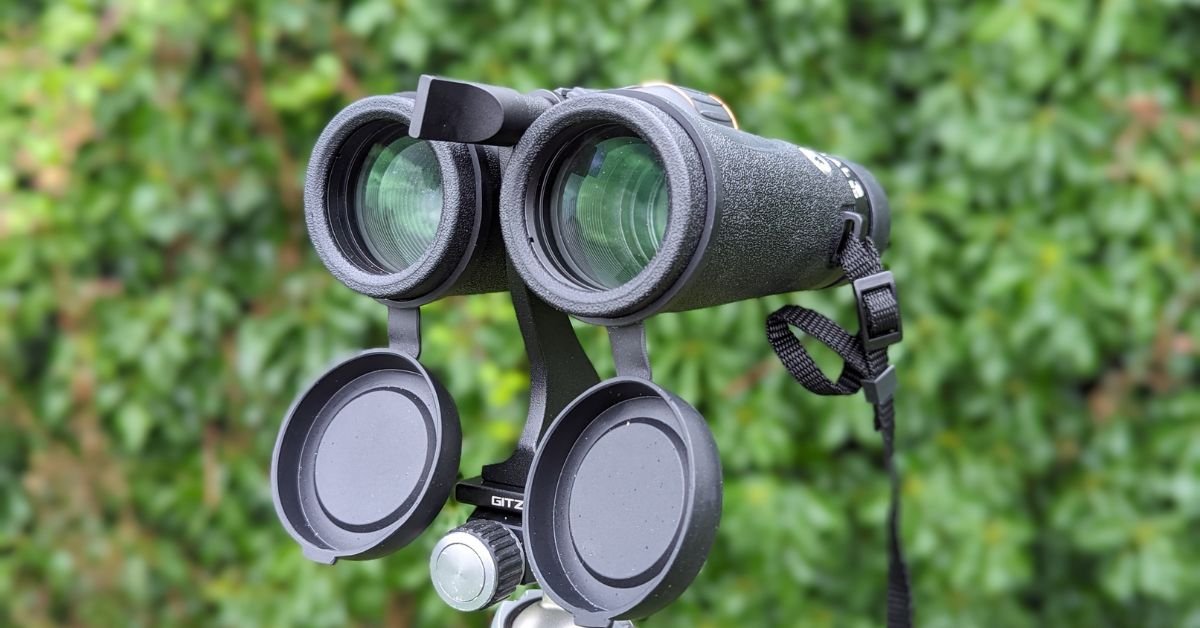
Why You Need the Right Binoculars for Bird Watching
Bird watching is one of the most peaceful and rewarding hobbies in the world. Millions of people grab their gear and head outdoors every year to spot beautiful birds. But you cannot enjoy this hobby without a good pair of binoculars for bird watching.
The right binoculars bring distant birds closer. They reveal tiny details like feather colors, beak shapes, and eye markings. Without them, most birds look like small moving dots in the sky or in tree canopies.
Many beginners make the mistake of buying cheap or random binoculars. They end up with blurry images, heavy gear, or a narrow viewing area. This kills the fun very quickly. A good pair of birding binoculars gives you bright, sharp, and colorful images.
It helps you track fast-moving birds with ease. It also feels comfortable in your hands for hours. Whether you watch birds in your backyard or travel to nature reserves, the right binoculars for bird watching make every outing better. This guide covers everything you need to know before you buy your first or next pair.
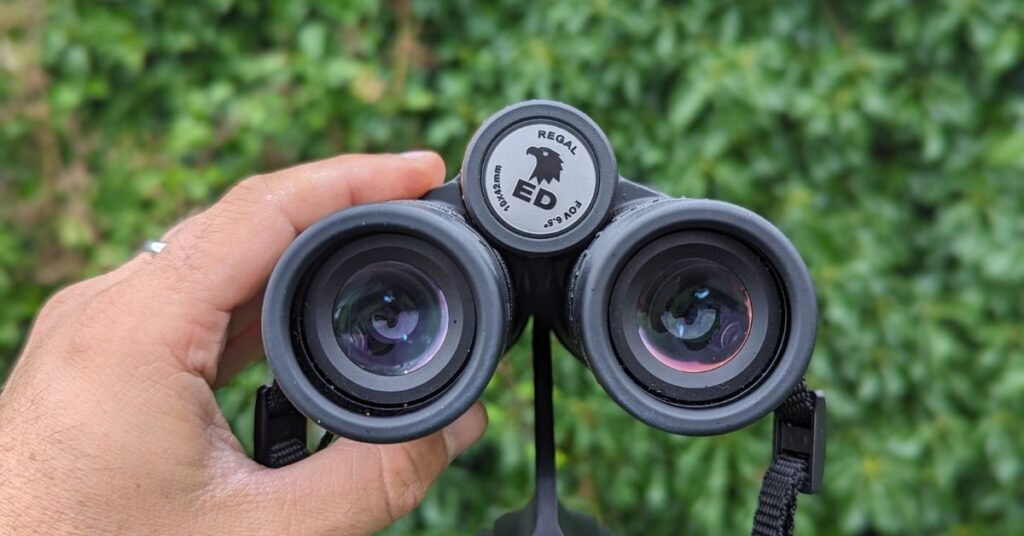
Understanding Binocular Numbers: What Does 8×42 Mean?
When you shop for binoculars for bird watching, you will see numbers like 8×42 or 10×32 on every model. These numbers tell you two important things about the binoculars. The first number shows the magnification power.
An 8x binocular makes a bird appear eight times closer than it looks with your bare eyes. The second number shows the objective lens diameter in millimeters. A 42mm lens is the size of the front glass that gathers light.
These two numbers work together. Higher magnification brings birds closer, but it also makes the image shakier. A larger objective lens lets in more light. This gives you a brighter and clearer picture. For bird watching, most experts recommend 8×42 or 8×32 models.
They offer the best balance between image size, brightness, and ease of use. You can hold them steady without a tripod. They also give you a wide view, which helps you find and follow birds quickly. Understanding these numbers saves you from picking the wrong pair.
| Number | What It Means | Example |
| First number (e.g., 8x) | Magnification power | Bird appears 8 times closer |
| Second number (e.g., 42) | Objective lens diameter in mm | 42mm lens gathers more light |
| Exit pupil (lens ÷ magnification) | Brightness indicator | 42 ÷ 8 = 5.25mm exit pupil |
Key Features to Look for in Binoculars for Bird Watching
Buying binoculars is not just about magnification and lens size. Several other features affect your bird-watching experience. You should pay attention to each one before making a decision.
Field of view is one of the most important features. It tells you how wide an area you can see at a glance. A wider field of view helps you spot small, fast-moving birds quickly. It also makes it easier to follow birds in flight. Most good birding binoculars offer a field of view between 300 and 430 feet at 1,000 yards.
Close focus distance matters more than people think. Some binoculars let you focus on objects as close as five or six feet away. This helps when you watch warblers or other small birds that come very close to you. Waterproof and fog-proof construction protects your binoculars from rain and humidity.
Look for nitrogen-filled or argon-filled models. They stop moisture from building up inside the lenses. Eye relief is crucial if you wear glasses. Choose binoculars with at least 15mm of eye relief. This gives you a full view without removing your glasses.
Finally, check the weight and build quality. You will carry your binoculars for long periods. A lighter pair reduces neck and arm fatigue during extended birding sessions.
Best Magnification for Bird Watching
Choosing the right magnification is a big decision when you buy binoculars for bird watching. The two most popular options are 8x and 10x. Each one has clear advantages and trade-offs.
8x magnification is the top choice for most birders. It gives you a wide field of view. You can scan large areas and track birds as they move through trees or across the sky. The image stays steady in your hands.
You do not need a tripod. This makes 8x binoculars perfect for forests, parks, and backyard birding. Beginners find them much easier to use because they forgive small hand movements.
10x magnification brings birds even closer. It works well for open-country birding where you watch shorebirds, raptors, or waterfowl from a distance. However, the higher magnification means a narrower field of view.
It also amplifies the handshake. You might struggle to keep the image still, especially during long sessions. Some birders use 10x binoculars with a tripod adapter for steady views.
| Feature | 8x Magnification | 10x Magnification |
| Field of view | Wider | Narrower |
| Image stability | More stable | More handshake |
| Best for | Forests, parks, general birding | Open fields, shorebirds, raptors |
| Beginner friendly | Yes | Moderate |
| Tripod needed | Rarely | Sometimes |
For most people, 8x binoculars remain the safest and most versatile choice for bird watching.
Roof Prism vs. Porro Prism: Which Design Is Better?
Binoculars come in two main designs based on their internal prism type. Understanding the difference helps you choose the right binoculars for bird watching.
Roof prism binoculars have a slim, straight-barrel design. They look sleek and compact. The prisms sit in a straight line inside the barrels. This makes them lighter, easier to hold, and more comfortable to carry all day.
Most modern birding binoculars use roof prisms because of their portability. They also seal better against water and dust. High-quality roof prism models use special coatings like phase correction and dielectric coatings. These coatings improve brightness and image sharpness.
Porro prism binoculars have a wider, offset design. The barrels zigzag because the prisms sit at an angle. This design naturally produces a brighter image with better depth perception. Porro prism models often cost less than roof prism binoculars with similar optical quality.
However, they weigh more and feel bulkier in your hands. They are harder to waterproof, too. Porro prism binoculars work well for backyard birding or when you watch birds from a fixed spot like a hide or a window. But if you hike, travel, or walk long distances while birding, roof prism binoculars serve you better.
Best Binoculars for Bird Watching by Budget
Your budget plays a huge role in your choice. Luckily, you can find good binoculars for bird watching at every price level. The market has improved so much that even affordable models deliver solid performance today.
Budget Range ($80 to $200)
Entry-level binoculars have gotten much better in recent years. Models in this range now use BaK-4 roof prisms with phase correction coatings and fully multi-coated lenses. These features were premium upgrades just a few years ago. You can expect good sharpness, decent low-light performance, and close focus distances around six to eight feet.
These binoculars work great for backyard birding and casual outdoor trips. Popular choices in this range include the Nikon Action Extreme 7×35, the Celestron Nature DX ED, and the Opticron Savanna WP 6×30. They offer waterproof construction, rubber armor, and reliable optics for their price.
Mid-Range ($300 to $650)
This is where value peaks for most birders. Mid-range binoculars deliver noticeably sharper images, better color accuracy, wider fields of view, and stronger build quality. The optical coatings reduce glare and improve contrast.
Close focus distances tighten to five or six feet. Focus mechanisms feel smooth and precise. The Nikon Monarch M5 8×42, Vortex Viper HD, and Hawke Frontier ED X stand out in this category.
If you bird regularly and want optics that last many years, this range offers the best return on your investment. The jump in quality from budget to mid-range is substantial and immediately visible in the field.
Premium Range ($1,000 and Above)
Premium binoculars deliver the absolute best optical performance. They produce crystal-clear, edge-to-edge sharp images with perfect color accuracy. The Swarovski NL Pure 8×32 leads this category with its 450-foot field of view, the widest of any premium binocular at 8x magnification. The Zeiss Victory SF 8×42 scores top marks for overall image quality.
These binoculars use field-flattener lens systems that eliminate edge distortion. They feel incredibly comfortable even during all-day birding sessions. Premium glass is for serious birders who spend time in the field daily and refuse to compromise on quality.
| Budget Level | Price Range | Best For | Top Picks |
| Budget | $80 – $200 | Beginners, backyard birding | Celestron Nature DX ED, Nikon Action Extreme |
| Mid-Range | $300 – $650 | Regular birders, field trips | Nikon Monarch M5, Vortex Viper HD |
| Premium | $1,000+ | Serious birders, daily field use | Swarovski NL Pure, Zeiss Victory SF |
How to Choose Binoculars for Bird Watching as a Beginner
Starting your bird-watching journey can feel overwhelming. So many models, brands, and specs compete for your attention. But choosing your first pair of binoculars for bird watching does not have to be complicated.
Start with an 8×42 model. This size works for almost every birding situation. It gives you enough magnification to see details clearly. The 42mm lens gathers plenty of light for bright images. The wide field of view helps you find birds quickly without frustration.
Next, set a realistic budget. You do not need to spend a fortune on your first pair. A good pair in the $150 to $300 range serves most beginners very well. Focus on comfort and ease of use.
Pick up the binoculars and feel how they sit in your hands. Turn the focus wheel and check if it moves smoothly. Look through them and see if the image feels natural and clear.
If you wear glasses, make sure the binoculars have adjustable eyecups and long eye relief. Try before you buy whenever possible. Visit a local optics shop or a birding store where you can test different models side by side.
Top Brands for Bird Watching Binoculars
Several trusted brands dominate the birding binoculars market. Each brand brings something unique to the table. Knowing them helps you narrow your search for the perfect binoculars for bird watching.
Swarovski Optik sits at the very top of the optics world. Their NL Pure series delivers unmatched optical performance and comfort. Birders around the globe consider Swarovski the gold standard. Zeiss competes closely with Swarovski.
Their Victory SF line produces near-perfect images with exceptional clarity and brightness. Both brands come with premium price tags.
Nikon offers excellent binoculars across multiple price points. Their Monarch series provides outstanding quality at mid-range prices. Nikon binoculars are known for sharp optics, durability, and great value.
Vortex Optics has built a loyal following thanks to its lifetime warranty and solid mid-range products. The Viper HD and Diamondback HD lines give birders reliable performance without breaking the bank.
Bushnell and Celestron serve the budget-friendly segment very well. They produce entry-level binoculars with surprising optical quality.
Hawke and Opticron also deserve attention for their value-packed models that punch above their weight class. No matter which brand you choose, stick with established names that offer warranties and customer support.
Read for more info: https://wildtrailsapp.com/wildlife-photography-equipment/
How to Use Binoculars for Bird Watching Properly
Owning great binoculars for bird watching is only half the story. You also need to use them the right way. Proper technique makes a huge difference in how many birds you spot and how much you enjoy the experience.
Start by adjusting the interpupillary distance. This means you move the two barrels closer together or farther apart until you see one perfect circle of light. Next, set the diopter adjustment. One of your eyes may be slightly stronger than the other.
The diopter ring on your binoculars corrects this difference. Close your right eye, focus on a distant object with your left eye using the main focus wheel. Then close your left eye and adjust the diopter ring until the image looks sharp for your right eye. Once you set this, you only use the main focus wheel going forward.
When you spot a bird with your naked eyes, keep looking at it. Do not look down at your binoculars. Bring the binoculars up to your eyes while you keep your gaze fixed on the bird. This technique helps you find the bird through your binoculars instantly.
Practice this on stationary objects first. Then move to slow-moving birds. With time, you will track even fast flyers with confidence.
Caring for Your Bird Watching Binoculars
Your binoculars for bird watching represent a valuable investment. Proper care extends their life and keeps the optics performing at their best for years.
Always use the lens caps when you are not actively watching birds. Caps protect the glass from dust, scratches, and fingerprints. Store your binoculars in a padded case when you travel or keep them at home. Avoid touching the glass surfaces with your fingers. Natural oils from your skin leave smudges that degrade image quality.
When you need to clean the lenses, blow off loose dust first with a lens blower or soft brush. Then use a microfiber lens cloth with gentle circular motions. Never use paper towels, tissues, or your shirt. These can scratch the lens coatings.
Keep your binoculars away from extreme heat. Never leave them on a car dashboard in direct sunlight. Heat can damage internal lubricants and optical coatings. If your binoculars get wet, dry them gently with a soft cloth. Even waterproof models benefit from proper drying.
Check the strap regularly for wear and replace it before it breaks. A dropped pair of binoculars can suffer permanent damage even if they have rubber armor. With simple, consistent care, your birding binoculars will serve you faithfully for decades.
Compact vs. Full-Size Binoculars for Bird Watching
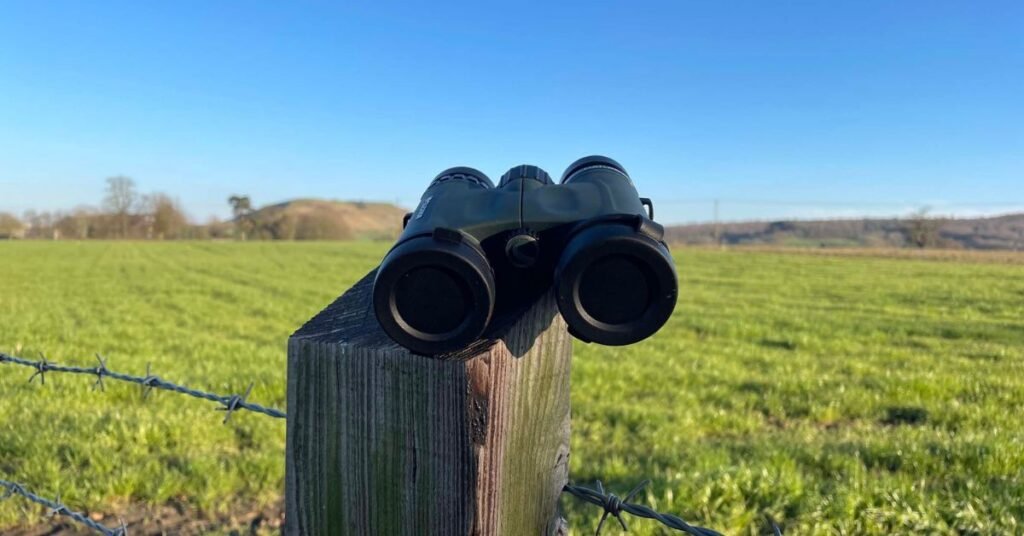
When shopping for binoculars for bird watching, you will face the choice between compact and full-size models. Each type serves different needs and situations.
Full-size binoculars (typically 8×42 or 10×42) deliver the best optical performance. Their larger objective lenses gather more light. This means brighter, sharper images, especially in low-light conditions like dawn and dusk when many birds are most active.
Full-size models offer wider fields of view and more comfortable eye relief. If image quality matters most to you and you don’t mind carrying slightly heavier gear, full-size binoculars are the way to go. They work best for dedicated birding trips, guided walks, and watching from a fixed location.
Compact binoculars (like 8×25 or 8×32) weigh less and take up less space. You can slip them into a jacket pocket or a small daypack. They shine when you hike long distances or travel light. The trade-off is a smaller exit pupil, which means dimmer images in low light.
Their narrower field of view can make it harder to locate birds quickly. However, modern compact binoculars have improved remarkably.
The best ones deliver performance that rivals mid-range full-size models from just a few years ago. Many birders own both sizes. They carry full-size binoculars for serious birding outings and keep compacts handy for spontaneous bird sightings during hikes and travels.
| Feature | Full-Size (8×42) | Compact (8×25 or 8×32) |
| Weight | Heavier (around 650-750g) | Lighter (around 300-500g) |
| Image brightness | Excellent | Good (dimmer in low light) |
| Field of view | Wider | Narrower |
| Portability | Moderate | Excellent |
| Best for | Dedicated birding trips | Hiking, travel, casual birding |
Binoculars for Bird Watching in Different Environments
Different birding environments call for different binocular strengths. Understanding this helps you pick the ideal binoculars for bird watching based on where you spend most of your time.
Forest and woodland birding demands a wide field of view and fast focusing. Birds move quickly through dense canopy and thick branches. An 8×42 binocular with a generous field of view lets you scan treetops and track movement without losing sight of the bird. Close focus distance also matters here because birds sometimes appear just a few feet away among the undergrowth.
Open country and wetland birding often involves watching birds at greater distances. Shorebirds, raptors, and waterfowl may sit hundreds of yards away. A 10×42 binocular gives you extra reach for these situations.
Some birders pair their binoculars with a spotting scope for even more detail at long range. Backyard birding is the most relaxed setting. Almost any decent binocular works well here because birds visit feeders and perches at close to medium range.
Even a budget 8×42 model delivers plenty of performance for your backyard bird-watching sessions. Match your binoculars to your primary birding environment, and you will get the most out of every outing.
Common Mistakes to Avoid When Buying Binoculars for Bird Watching
Many people waste money by making avoidable mistakes when they shop for binoculars for bird watching. Knowing these pitfalls saves you time, money, and frustration.
Do not chase the highest magnification. Many beginners think 12x or 16x binoculars will show them more. In reality, high magnification makes images shaky, narrows the field of view, and produces darker pictures. Stick with 8x or 10x for birding. Do not buy binoculars based on brand name alone.
Some expensive brands charge premium prices for average optics. Always compare specifications and read real user reviews before purchasing. Avoid binoculars labeled as “zoom” models. Zoom binoculars sacrifice optical quality for variable magnification. Fixed magnification binoculars deliver much sharper images.
Do not skip the “try before you buy” step. What looks great on paper might feel uncomfortable in your hands. Visit a store and test several models. Pay attention to weight, balance, focus wheel smoothness, and overall comfort.
Finally, do not ignore the warranty. Reputable brands like Vortex offer lifetime warranties. This protects your investment and shows the manufacturer stands behind their product. A good warranty gives you peace of mind every time you take your binoculars into the field.
Conclusion
Choosing the right binoculars for bird watching transforms your birding experience completely. A good pair opens up a world of vibrant colors, fine details, and thrilling moments that you simply cannot see with your bare eyes.
Start by understanding the basic numbers like magnification and lens size. Pay attention to essential features like field of view, waterproofing, eye relief, and weight. Pick a budget that suits your needs and explore the best options in that range.
Whether you go with a budget-friendly pair for backyard birding or invest in premium glass for serious fieldwork, the right binoculars will give you years of joy and discovery. Take your time, do your research, and enjoy the wonderful world of birds with confidence and clarity.
Frequently Asked Questions
What magnification is best for binoculars for bird watching?
Most birders prefer 8x magnification. It offers the best balance between bringing birds closer and keeping the image steady. You get a wide field of view that helps you find and follow birds easily.
If you watch birds in open areas like marshes or grasslands, 10x magnification adds extra reach. However, 8x remains the most versatile option for all types of bird-watching environments.
How much should I spend on binoculars for bird watching?
Your budget depends on how often you plan to go birding. Beginners can find excellent binoculars in the $150 to $300 range. Brands like Nikon, Celestron, and Vortex offer reliable mid-range options between $300 and $650.
Serious birders who want the best optical performance should consider premium models from Swarovski or Zeiss that cost $1,000 or more. Even budget binoculars around $100 work well for casual backyard bird watching.
Are compact binoculars good enough for bird watching?
Compact binoculars work well for casual birding, hiking, and travel. Modern compact models like the 8×32 size deliver surprisingly good image quality. However, full-size 8×42 binoculars perform better in low-light conditions and offer wider fields of view.
If you bird primarily at dawn or dusk, full-size binoculars serve you better. Many experienced birders keep both a compact pair and a full-size pair for different situations.
Do I need waterproof binoculars for bird watching?
Yes, waterproof binoculars are highly recommended for bird watching. Weather can change quickly when you are outdoors. Rain, mist, and humidity can damage non-waterproof optics.
Waterproof and fog-proof binoculars keep moisture out and prevent internal fogging when temperatures shift. Most quality birding binoculars come with nitrogen or argon filling to resist fogging. This feature protects your investment and lets you bird comfortably in any weather.
Can I use binoculars for bird watching if I wear glasses?
Absolutely. Look for binoculars with at least 15mm of eye relief. Eye relief is the distance between the eyepiece lens and your eye where you still see the full image. Binoculars with adjustable or fold-down eyecups let you position your eyes at the right distance even with glasses on.
Many modern birding binoculars offer 16mm to 20mm of eye relief. This ensures glasses wearers enjoy a full, comfortable viewing experience without any dark edges or vignetting.