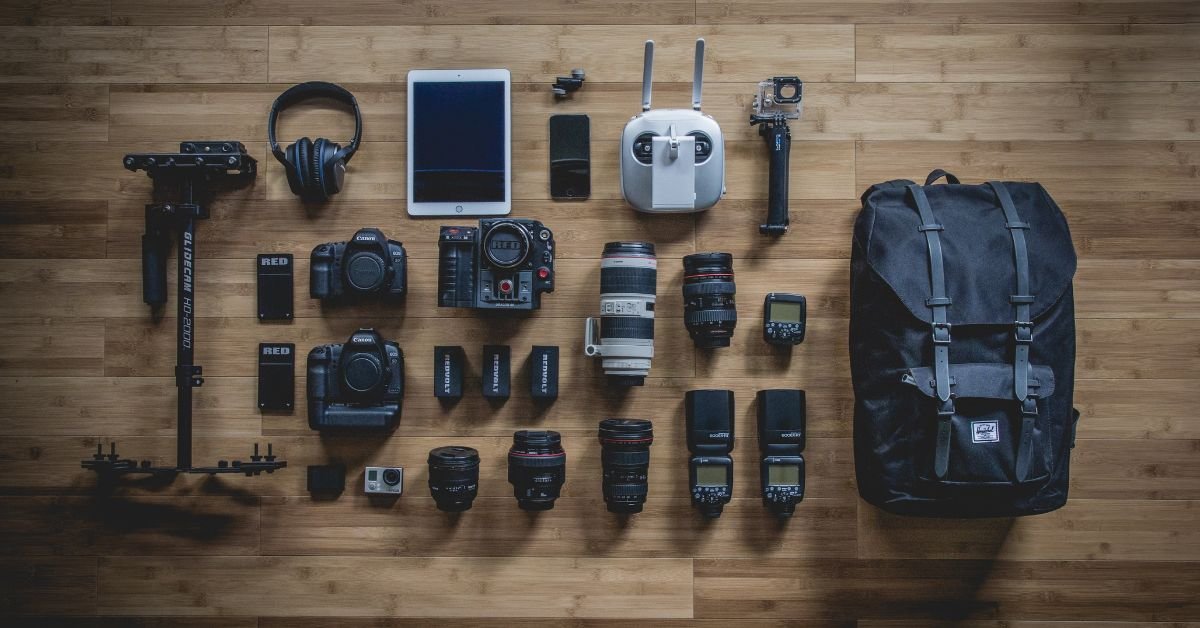
Every great photograph starts with the right gear. A camera body and lens alone can only take you so far. The real magic happens when you add the right camera accessories to your kit. Whether you shoot weddings, landscapes, or street photography, accessories help you capture sharper, brighter, and more creative images.
This guide covers every essential camera accessory you need. We break down each category in simple terms. You will learn what to buy, why it matters, and how to pick the best option for your budget. From beginners to professionals, everyone can benefit from the right tools. Let’s dive in and explore the world of camera accessories together.
Why Camera Accessories Matter for Better Photography
Many new photographers think a good camera is all they need. That is not true. Camera accessories play a huge role in improving your photos. They protect your gear, add creative control, and make your shooting experience smoother.
Think about it this way. A tripod keeps your camera steady for sharp night shots. A good camera bag protects your expensive equipment from rain and drops. Spare batteries keep you shooting all day without any interruptions. These are not luxury items. They are practical tools that solve real problems in the field.
Professional photographers always carry a set of camera accessories with them. They know that the right tools save time and prevent frustration. You do not need to buy everything at once. Start with the basics and build your kit over time. Focus on accessories that match your photography style and needs first.
Essential Camera Accessories Every Photographer Needs
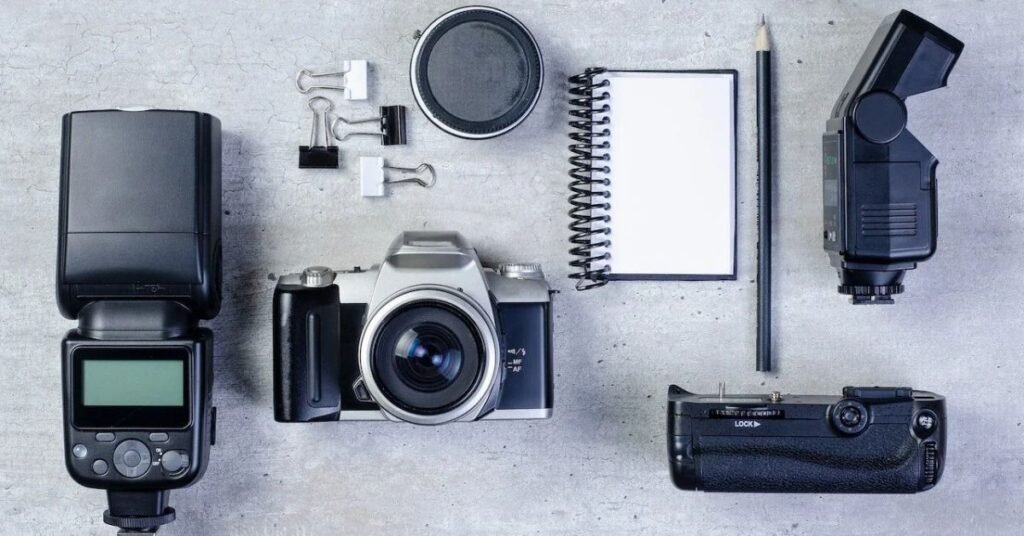
Some camera accessories are universal. Every photographer needs them regardless of their skill level or genre. These are the core items that belong in every camera bag.
A sturdy tripod gives you stable shots in any condition. It removes camera shake and lets you experiment with slow shutter speeds. A reliable set of memory cards stores your precious images safely. Extra batteries ensure you never miss a shot because of low power. A quality camera bag keeps all your gear organized and protected from damage.
These four items form the foundation of any photographer’s kit. Without them, you face common problems like blurry images, lost photos, and broken equipment. Invest in quality versions of these basics before spending money on anything else. The table below shows these must-have items and their purpose.
| Camera Accessory | Purpose | Priority Level |
| Tripod | Stability and sharp images | High |
| Memory Cards | Photo and video storage | High |
| Spare Batteries | Extended shooting time | High |
| Camera Bag | Gear protection and organization | High |
| Lens Cleaning Kit | Maintaining image clarity | Medium |
| Camera Strap | Comfort and safety | Medium |
Camera Accessories for Stability: Tripods and Monopods
Stability is one of the biggest challenges photographers face. Even a slight hand movement can ruin an otherwise perfect shot. That is where stability camera accessories come into play. Tripods and monopods are the two most popular options.
A tripod has three legs and provides rock-solid support. You can use it for landscape photography, long exposures, night photography, and group portraits. Brands like Manfrotto, Joby, and Benro make excellent tripods for different budgets. Travel tripods fold down small and fit easily in a backpack. Full-size tripods offer maximum height and stability for studio work.
A monopod has a single leg and offers a balance between stability and mobility. Sports and wildlife photographers love monopods because they allow quick movement while reducing camera shake. They are lighter than tripods and easier to carry around all day.
The Joby GorillaPod is a popular choice for photographers who want creative flexibility. Its flexible legs wrap around tree branches, poles, and other objects. This makes it perfect for outdoor adventures where flat surfaces are hard to find.
Memory Cards and Storage: Protecting Your Photos
Your photos live on your memory cards. Without reliable storage, you risk losing your best work forever. Choosing the right memory card is one of the most important decisions you make when buying camera accessories.
Memory cards come in different formats. SD cards are the most common type and work with most cameras. CFexpress cards are faster and handle high-resolution video files better. Always check your camera’s manual to see which format it supports before buying.
Speed matters just as much as storage size. A fast memory card lets you take burst photos without lag. It also helps when recording 4K or 8K video. Look for cards with high read and write speeds if you shoot action or video content. A slow card causes your camera to freeze or buffer during critical moments.
Here are some practical tips for managing your memory cards:
- Always carry at least two memory cards as a backup
- Format your cards in-camera before each shoot
- Use a memory card reader to transfer photos quickly to your computer
- Store used cards in a protective case to avoid damage
- Never remove a card while the camera is writing data
Buying a high-quality memory card from brands like SanDisk, Lexar, or Sony protects your images from corruption and data loss.
Batteries and Power Solutions for Camera Accessories
Batteries are the lifeblood of your camera. Without power, even the best camera in the world becomes useless. Smart photographers always carry spare batteries as part of their essential camera accessories.
Most cameras come with one battery and a charger. That single battery can die halfway through a shoot. Cold weather drains batteries even faster. Wedding photographers, event shooters, and travel photographers face this problem regularly. The solution is simple. Buy at least two extra batteries and keep them fully charged at all times.
You have two main options for spare batteries. Original manufacturer batteries from Canon, Nikon, or Sony offer guaranteed quality and compatibility. They cost more but give you peace of mind.
Third-party batteries from brands like Wasabi Power cost less and often perform just as well. You can usually get two third-party batteries and a charger for the price of one original battery.
A portable battery charger with USB-C is another smart investment. It lets you charge batteries on the go without needing a wall outlet. This is especially useful for travel photographers and outdoor adventurers who spend long days away from power sources.
Camera Bags and Cases: Keep Your Gear Safe
Your camera gear is a serious investment. Protecting it with a quality camera bag is one of the smartest decisions you can make. Camera bags are among the most practical camera accessories available today.
A good camera bag does more than just hold your equipment. It provides padded compartments that cushion your camera and lenses against bumps and drops. And it resists water and dust to keep your gear clean. It also organizes everything neatly so you can find what you need quickly during a shoot.
Camera bags come in several styles. Backpacks distribute weight evenly across your shoulders. They are great for hiking and travel photography. Shoulder bags offer quick access to your gear. They work well for street photography and events.
Sling bags sit across your body and let you swing the bag to the front for fast access. Hard cases provide maximum protection for air travel and harsh environments.
The Wandrd PRVKE is a top-rated backpack that balances style, protection, and storage. For casual photographers, a simple padded shoulder bag works perfectly. Choose a bag size that fits your current gear with a little room for future growth.
Lens Filters: Creative Camera Accessories for Better Shots
Lens filters are small glass attachments that screw onto the front of your lens. They are powerful camera accessories that can dramatically change the look of your photos. Filters give you effects that are hard to replicate in editing software.
A circular polarizing filter (CPL) is the first filter every photographer should buy. It cuts glare from reflective surfaces like water, glass, and snow. It also deepens blue skies and makes colors more vibrant. Landscape photographers consider this filter essential.
More Types
A neutral density (ND) filter reduces the amount of light entering your lens. This lets you use slower shutter speeds in bright daylight. You can create silky smooth waterfalls, dreamy cloud movements, and motion blur effects. ND filters come in different strengths measured in stops.
A UV or protection filter sits on your lens at all times. Its main job is to shield your expensive lens glass from scratches, dust, and fingerprints. Even if the filter gets damaged, replacing it costs far less than repairing a lens.
| Filter Type | Main Use | Best For |
| Circular Polarizer (CPL) | Reduces glare, enhances colors | Landscape, outdoor photography |
| Neutral Density (ND) | Reduces light for slow shutter speeds | Waterfalls, long exposures |
| UV/Protection Filter | Protects the lens from damage | Everyday use |
| Graduated ND | Balances bright skies with dark foregrounds | Sunrise, sunset photography |
Camera Straps: Comfort and Security While Shooting
A camera strap seems like a simple accessory. But it makes a massive difference during long shooting sessions. The right strap keeps your camera secure and reduces neck and shoulder fatigue.
Most cameras come with a basic manufacturer strap. These straps are thin, uncomfortable, and lack proper padding. Upgrading to a quality strap is one of the easiest and cheapest improvements you can make to your camera accessories kit.
Neck straps hang the camera around your neck. They offer quick access but can cause neck pain during long shoots. Sling straps loop across your body and let the camera hang at your hip. They distribute weight better and feel more comfortable for all-day use. Wrist straps attach to your hand and work great with smaller cameras. They prevent drops while keeping your hands free.
The Peak Design Slide is widely considered the best camera strap on the market. Its unique anchor system lets you switch between neck, shoulder, and sling positions in seconds. The padded design feels comfortable even with heavy camera setups. It is a favorite among professional and enthusiast photographers worldwide.
Lighting Camera Accessories: Flash and LED Lights
Light is the foundation of photography. When natural light is not enough, you need lighting camera accessories to fill the gaps. Flash units and LED panels help you control light in any situation.
A speedlight or flashgun mounts on top of your camera’s hot shoe. It provides a powerful burst of light for indoor events, portraits, and low-light situations. You can bounce the flash off ceilings and walls to create soft, natural-looking light. Brands like Godox and Neewer offer affordable speedlights with excellent performance.
LED panel lights offer continuous lighting. They are popular with both photographers and videographers. You can see exactly how the light falls on your subject before pressing the shutter. Compact LED lights like the Aputure MC are small enough to fit in your pocket. They are perfect for on-the-go content creators and vloggers.
A wireless flash trigger lets you fire your speedlight remotely. This opens up creative possibilities like off-camera flash setups. You can place your flash at different angles to create dramatic shadows and highlights. Wireless triggers are affordable and easy to use.
Camera Accessories for Video: Gimbals and Microphones
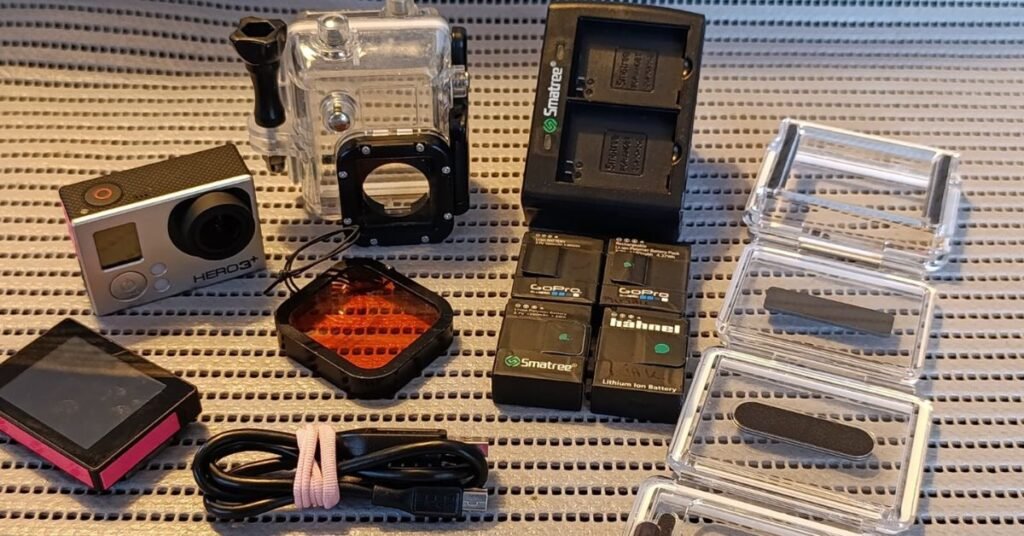
Modern cameras shoot incredible video. But smooth footage and clear audio require additional camera accessories designed specifically for videography. Two of the most important are gimbals and microphones.
A gimbal is a motorized stabilizer that eliminates shaky footage. You mount your camera on the gimbal and walk, run, or move freely. The gimbal keeps your camera perfectly level and smooth. Brands like DJI and Zhiyun make popular gimbals for cameras of all sizes. A gimbal transforms amateur-looking footage into professional-quality video.
Audio quality matters just as much as video quality. Built-in camera microphones produce weak, tinny sound. An external shotgun microphone mounts on your camera and captures crisp, directional audio. The Rode VideoMic series is a go-to choice for content creators and filmmakers.
Wireless microphone systems offer even more flexibility. They let your subject move freely while capturing clear voice audio. The Rode Wireless ME II system is compact, reliable, and easy to set up. It works perfectly for interviews, vlogs, and documentary-style shooting.
Read for more info: https://wildtrailsapp.com/binoculars-for-bird-watching/
Cleaning Kits: Maintaining Your Camera Accessories
Dust, fingerprints, and moisture are the enemies of sharp photos. A cleaning kit is one of those small camera accessories that makes a big impact on image quality. Regular cleaning extends the life of your gear and keeps your images crystal clear.
A basic camera cleaning kit should include a lens blower, a microfiber cloth, a lens cleaning pen, and cleaning solution. The blower removes loose dust without touching the lens surface. The microfiber cloth wipes away smudges gently. The lens pen reaches spots that the cloth cannot.
Make cleaning a regular habit. Wipe your lens before every important shoot. Clean your camera sensor periodically to remove dust spots from your images. Store your gear in a clean, dry place to prevent mold growth on lenses. These simple steps protect your investment and keep your photos looking their best.
Many photographers forget about sensor cleaning. Dust particles on the sensor create dark spots in your images. You can use a sensor cleaning swab kit at home. However, if you are uncomfortable doing it yourself, take your camera to a professional service center for a thorough cleaning.
Smartphone Camera Accessories: Level Up Your Phone Photography
Smartphone cameras have become incredibly powerful. In 2026, the right camera accessories can push your phone’s photography capabilities even further. You do not always need a dedicated camera to take stunning photos.
Clip-on lens kits attach to your smartphone and add wide-angle, macro, and telephoto capabilities. They expand your creative options without the bulk of a full camera system. The Moment T-Series Pro lenses use real glass elements and deliver impressive results.
A smartphone gimbal stabilizes your video footage. It tracks your face, follows movement, and creates smooth cinematic clips. The DJI OM series and AOCHUAN Smart XE are popular choices. They pair with your phone via Bluetooth and offer creative shooting modes.
A MagSafe camera grip enhances your hold on the phone and adds a physical shutter button. It makes your smartphone feel more like a real camera. Bluetooth remote shutters let you take photos from a distance. They are perfect for group shots, selfies, and time-lapse photography.
How to Choose the Right Camera Accessories for Your Needs
With thousands of camera accessories on the market, choosing the right ones can feel overwhelming. The key is to match your accessories to your specific photography style and goals. Ask yourself a few important questions before buying. What type of photography do you shoot most often? Do you shoot mostly indoors or outdoors?
Do you record video alongside photos? What is your budget? Your answers guide your purchasing decisions and prevent wasting money on gear you do not need. Start with the essentials. Every photographer needs a tripod, memory cards, spare batteries, and a camera bag. These basics solve the most common problems.
Once you have these covered, add accessories that match your specialty. Landscape photographers benefit from filters. Portrait photographers need lighting gear. Videographers require gimbals and microphones.
Here is a quick reference to help you prioritize:
- Landscape shooters: tripod, CPL filter, ND filter, remote shutter
- Portrait shooters: speedlight, reflector, backdrop, wireless trigger
- Travel shooters: compact tripod, extra batteries, lightweight bag, memory cards
- Video creators: gimbal, external microphone, LED light, extra storage
- Street shooters: sling strap, fast memory card, small camera bag
Buy quality over quantity. One well-made accessory lasts longer and performs better than three cheap ones. Read reviews, compare options, and invest wisely.
Camera Accessories on a Budget: Smart Shopping Tips
You do not need to spend a fortune on camera accessories. Smart shoppers find great gear without breaking the bank. Here are some practical tips to save money while building your kit.
Third-party brands often deliver excellent quality at a fraction of the original price. Brands like Neewer, Godox, Wasabi Power, and K&F Concept make affordable alternatives to premium accessories. Many professional photographers use third-party gear daily without any issues.
Buy used or refurbished accessories from trusted sellers. Tripods, camera bags, and flash units hold up well over time. Websites like Adorama, KEH, and MPB sell certified pre-owned gear with warranties. You can save up to fifty percent compared to buying new.
Watch for seasonal sales during Black Friday, holiday periods, and camera trade shows. Many retailers offer deep discounts on camera accessories during these events. Sign up for newsletters from your favorite camera stores to get early access to deals.
Avoid buying accessories you do not need right now. It is tempting to grab every cool gadget you see online. This is what photographers call GAS (Gear Acquisition Syndrome). Stay focused on what actually improves your photography today.
Camera Accessories Trends
The world of camera accessories keeps evolving. New technology brings smarter, lighter, and more powerful tools every year. Here are some notable trends shaping the accessories market in 2026.
USB-C charging has become the standard for batteries, LED lights, and other powered accessories. This simplifies your charging setup and reduces the number of cables you carry. One USB-C cable now powers almost everything in your camera bag.
Compact and lightweight designs continue to dominate. Manufacturers shrink tripods, gimbals, and lights without sacrificing performance. Travel photographers benefit the most from this trend. Gear that once weighed kilograms now fits in a jacket pocket.
Smart accessories that communicate with your camera’s software are gaining popularity. Wireless triggers, app-controlled LED lights, and AI-powered gimbals offer unprecedented creative control. These connected tools automate complex tasks and let you focus on composition and storytelling.
Sustainable materials are also making their way into camera accessories. Brands use recycled fabrics, plant-based materials, and eco-friendly packaging. Environmentally conscious photographers now have more green options than ever before.
Conclusion
Camera accessories are not optional extras. They are essential tools that improve your photography and protect your investment. From tripods and memory cards to filters and lighting gear, each accessory serves a clear purpose. You do not need to buy everything at once. Start with the basics and grow your kit as your skills develop.
Focus on quality over quantity and choose accessories that match your shooting style. Whether you are a beginner with a smartphone or a professional with a mirrorless camera, the right camera accessories make all the difference. Invest wisely, take care of your gear, and keep shooting.
Frequently Asked Questions About Camera Accessories
What are the most important camera accessories for beginners?
Every beginner should start with a sturdy tripod, at least two high-capacity memory cards, spare batteries, and a padded camera bag. These four camera accessories solve the most common problems new photographers face.
A lens cleaning cloth is also a must-have to keep your images sharp and free from smudges. Once you have these basics, you can slowly add more accessories based on your photography interests.
How much should I spend on camera accessories?
Your budget depends on your level and needs. Beginners can start with around $50 to $100 for essential camera accessories like a basic tripod, memory cards, and a cleaning kit.
Intermediate photographers might spend two hundred to five hundred dollars on filters, lighting, and a quality bag. You do not need to buy the most expensive options. Third-party brands offer excellent value without compromising on performance.
Are third-party camera accessories worth buying?
Yes, many third-party camera accessories perform just as well as original brand products. Companies like Godox, Neewer, and Wasabi Power have built strong reputations for quality and reliability.
Third-party batteries, flash units, and tripods save you significant money. Just read reviews and buy from trusted sellers to ensure you get a good product.
Do I need different camera accessories for video and photography?
Video and photography share many accessories, such as tripods, memory cards, and bags. However, video work requires some additional camera accessories. A gimbal provides smooth footage. An external microphone captures clear audio.
LED panel lights offer continuous illumination for video. If you shoot both photos and videos, prioritize accessories that serve both purposes first.
How do I take care of my camera accessories?
Proper care extends the life of your camera accessories. Store everything in a clean, dry place. Wipe your lenses and filters with a microfiber cloth after each use. Charge your batteries fully and store them at room temperature.
Clean your tripod legs after outdoor shoots to remove sand and dirt. Treat your gear with respect, and it will serve you well for many years.