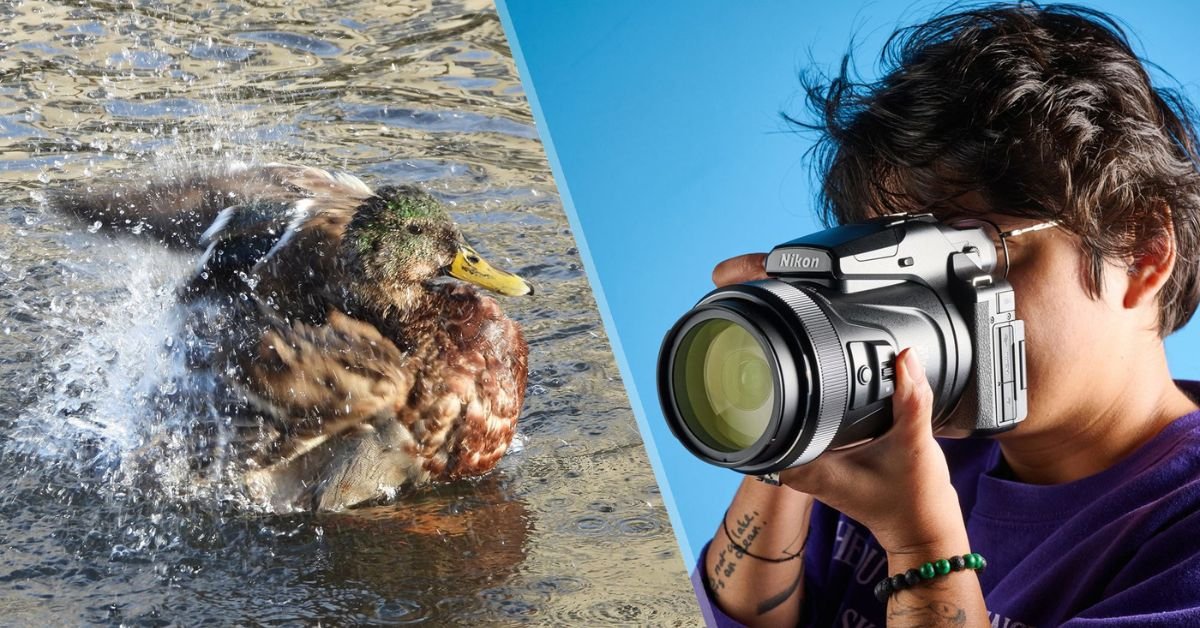
Wildlife photography pulls people in fast. One good shot of a bird taking flight or a deer standing in golden light, and you want more. But to get that shot, you need the right gear.
A good DSLR for wildlife photography can turn a blurry, missed moment into a sharp, frame-filling image you will treasure for years.
Many photographers still ask if DSLRs are worth buying in today’s mirrorless world. The answer is yes, especially if you are starting or working on a budget. A solid DSLR for wildlife photography offers strong autofocus, tough build quality, and long battery life.
It also gives you access to a huge range of affordable lenses. This guide walks you through everything you need to know before you buy one.
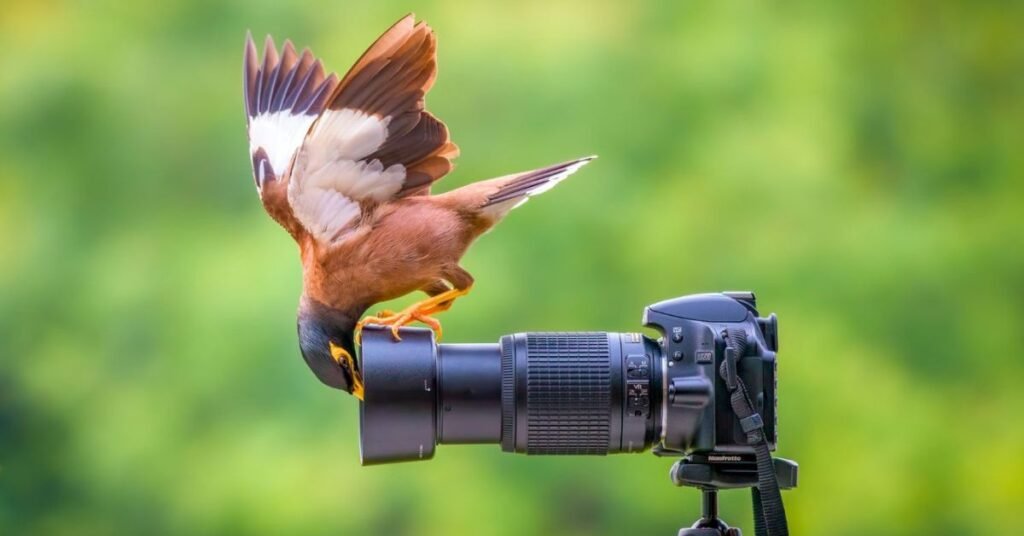
Why Choose a DSLR for Wildlife Photography
Mirrorless cameras get most of the attention these days, but a DSLR for wildlife photography still holds real value. DSLRs use an optical viewfinder, which shows you the scene through actual light, not a screen. Many photographers find this feels more natural when tracking a running animal or a bird in flight.
Battery life is another big win for DSLRs. A single charge can last thousands of shots because the camera does not need to power a screen constantly. This matters a lot when you are out in the field for hours, far from a power outlet.
DSLRs also tend to be rugged. Bodies like the Nikon D500 and Canon 1D X Mark III are built to survive dust, rain, and rough handling.
Cost is perhaps the biggest reason people still choose a DSLR for wildlife photography. Used lenses for DSLR mounts have dropped sharply in price as photographers switch to mirrorless systems.
This means you can build a powerful wildlife kit for a fraction of what a new mirrorless setup would cost. If you want to grow your skills without spending a fortune, a DSLR remains a smart place to start.
Key Features to Look for in a DSLR for Wildlife Photography
Not every DSLR suits wildlife work. Animals move fast and rarely give you a second chance, so your camera needs specific strengths. When picking a DSLR for wildlife photography, focus on four main areas: autofocus, burst speed, sensor type, and build quality.
Autofocus speed and accuracy come first. Wildlife rarely stays still, and even calm animals can move suddenly. A camera with a wide autofocus point spread and reliable tracking will help you nail more shots.
Burst speed matters too. A rate of eight to ten frames per second gives you a much better chance of freezing that perfect wingbeat or leap.
Sensor size affects both image quality and reach. Full-frame sensors handle low light better and give shallower depth of field. APS-C sensors, however, offer a crop factor that makes your lens act longer, which helps when photographing distant or small subjects like birds.
Weather sealing and a tough body also matter, since wildlife photography often means shooting in rain, dust, or cold. A strong buffer depth rounds things out, letting you shoot longer bursts without the camera slowing down.
| Feature | Why It Matters for Wildlife |
| Autofocus points | Tracks fast, unpredictable movement |
| Burst speed (fps) | Captures action in a fraction of a second |
| Sensor size | Affects light gathering and lens reach |
| Weather sealing | Protects the camera in harsh outdoor conditions |
| Buffer depth | Allows longer continuous shooting bursts |
| Battery life | Keeps you shooting through long field days |
Best DSLR Cameras for Wildlife Photography
Several DSLR models have earned a strong reputation among wildlife shooters. Each one balances speed, image quality, and durability in slightly different ways, so your choice depends on your budget and priorities.
The Nikon D850 stands out as one of the best all-round DSLRs ever built. It packs a 45.7-megapixel full-frame sensor, so you can crop tightly into images without losing sharpness.
Its burst speed of seven frames per second is not the fastest, but a battery grip pushes it to nine. It also shoots solid 4K video, making it a strong hybrid choice.
The Nikon D500 is a favorite among bird photographers. Its APS-C sensor gives extra reach, and its ten frames per second burst speed with a deep buffer makes it excellent for action. The autofocus system tracks subjects well, even through dense brush.
The Canon EOS 7D Mark II remains a budget-friendly pick for Canon shooters. It offers ten frames per second shooting and a dependable 65-point autofocus system, all in a rugged, weather-sealed body.
The Canon EOS-1D X Mark III sits at the top of Canon’s DSLR lineup. Its sixteen frames per second burst rate and tough, professional build make it ideal for serious action and wildlife work, though it comes with a higher price tag.
| Camera | Sensor Type | Burst Speed | Best For |
| Nikon D850 | Full-frame, 45.7MP | 7 fps (9 with grip) | High-resolution cropping, hybrid photo/video |
| Nikon D500 | APS-C, 20.9MP | 10 fps | Birds and fast action on a mid-budget |
| Canon EOS 7D Mark II | APS-C, 20.2MP | 10 fps | Budget-friendly Canon wildlife setup |
| Canon EOS-1D X Mark III | Full-frame, 20.1MP | 16 fps | Professional-level speed and durability |
| Canon EOS 90D | APS-C, 32.5MP | 10 fps | Entry-level wildlife with high resolution |
DSLR vs Mirrorless for Wildlife Photography
Many beginners wonder whether to pick a DSLR for wildlife photography or jump straight to mirrorless. Both systems have real strengths, and the right choice depends on what you value most.
Mirrorless cameras generally lead in autofocus technology today. Many models offer animal-eye detection, which locks onto an eye automatically and tracks it as the animal moves.
Burst speeds on mirrorless bodies also tend to be much higher, sometimes reaching twenty or thirty frames per second. Video quality is usually stronger too, with features like 4K and even 8K recording available on flagship models.
DSLRs still hold their ground in a few key areas. Battery life is far better, often lasting several times longer than a mirrorless charge. Optical viewfinders feel natural to many photographers, especially those who learned photography on film cameras.
Perhaps the biggest advantage is cost. Used DSLR bodies and lenses have become very affordable as more photographers switch systems, letting you build a strong kit without spending thousands.
If you already own DSLR lenses or you are working with a tighter budget, sticking with a DSLR for wildlife photography makes complete sense. If autofocus performance and video are your top priorities, mirrorless may serve you better long-term.
Best Lenses to Pair With Your Wildlife DSLR
A camera body only tells half the story. Lens choice often matters more than the camera itself when it comes to image sharpness and reach. Pairing the right glass with your DSLR for a wildlife photography setup makes a huge difference in your results.
Telephoto zoom lenses are the most popular choice because they offer flexibility. A lens in the 100-400mm or 150-600mm range covers most wildlife situations, from distant birds to closer mammals. These lenses let you adjust framing quickly without changing position, which matters a lot when animals move unpredictably.
Prime telephoto lenses, such as a 400mm or 600mm f/4, deliver excellent sharpness and low-light performance. They are heavier and pricier, but professionals often prefer them for their optical quality and fast apertures.
If budget is tight, third-party brands like Sigma and Tamron make excellent telephoto zooms at a fraction of the cost of same-brand glass.
Image stabilization is another feature worth checking. It reduces blur from hand shake, especially useful with long lenses. A teleconverter can also extend your reach further, though it does reduce the amount of light reaching the sensor and can slow autofocus slightly.
Read for more info: https://wildtrailsapp.com/wildlife-photography-lenses/
| Lens Type | Focal Length Example | Best Use Case |
| Telephoto zoom | 100-400mm | Flexible framing, general wildlife |
| Super-telephoto zoom | 150-600mm | Distant birds and small animals |
| Telephoto prime | 400mm or 600mm f/4 | Professional sharpness, low light |
| Budget zoom | Third-party 100-400mm | Affordable entry into wildlife lenses |
Best Camera Settings for Wildlife Photography
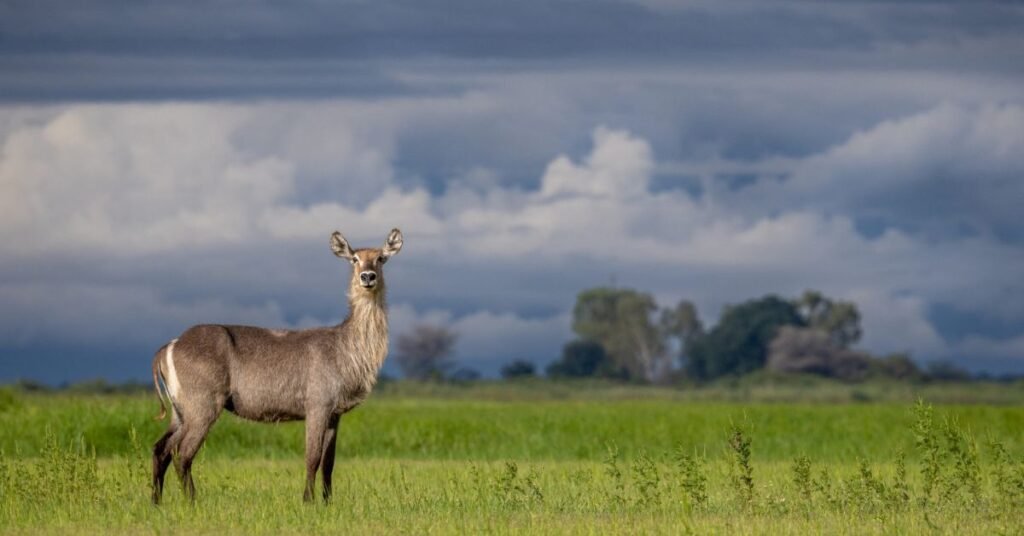
Owning a great DSLR for wildlife photography means little if your settings are wrong. A few adjustments can make the difference between a sharp, striking photo and a blurry miss.
Shutter speed should stay fast, generally at least 1/1000th of a second for birds in flight or running animals. Slower subjects, like a resting deer, can work with speeds around 1/500th. Aperture choice depends on your goal.
A wide aperture, such as f/4 or f/5.6, creates a soft, blurred background that makes your subject pop. A narrower aperture helps when you need more depth of field, such as photographing a group of animals.
ISO should stay as low as possible while still allowing a fast shutter speed. Modern DSLR sensors handle higher ISO values well, so do not be afraid to raise it in low light rather than risk a blurry shot.
Continuous autofocus mode, often labeled AI Servo or AF-C, tracks moving subjects far better than single-shot focus. Pair this with continuous burst shooting to capture a full sequence of movement.
Metering mode also matters. Spot or evaluative metering usually works best for wildlife, since it reads light around your subject rather than the whole frame. Getting these settings right takes practice, but they form the foundation of consistent, sharp wildlife images.
Tips to Improve Your Wildlife Photography Results
Gear alone will not guarantee great photos. Skill and patience play a huge role in wildlife photography success, no matter how good your DSLR for wildlife photography setup is.
Research your subject before heading out. Knowing an animal’s habits, feeding times, and habitat greatly increases your chances of a good encounter.
Early morning and late afternoon light, often called golden hour, gives you soft, warm tones that flatter most wildlife subjects. Avoid harsh midday sun whenever possible.
Patience matters more than most people expect. Many great wildlife shots come after hours of waiting quietly in one spot. Moving slowly and staying downwind of animals helps you get closer without spooking them. A beanbag or monopod can steady your long lens, especially during long waits.
Always focus on the eye. A sharp eye makes a photo feel alive, even if other parts of the frame are slightly soft. Shoot in bursts during action moments, then review and cull your images later rather than second-guessing every shot in the field. Practice, patience, and preparation matter just as much as the camera in your hands.
Conclusion
A good DSLR for wildlife photography remains a smart, capable choice in 2026, even as mirrorless cameras dominate headlines. Strong battery life, tough builds, affordable lenses, and reliable autofocus make DSLRs a practical option for beginners and budget-conscious photographers alike.
Whether you choose the high-resolution Nikon D850, the speedy Nikon D500, or a budget-friendly Canon 7D Mark II, the right body paired with a good telephoto lens can produce stunning results.
Focus on learning your settings, understanding animal behavior, and practicing patience in the field. The camera matters, but your skill behind it matters even more.
Frequently Asked Questions
Is a DSLR still good for wildlife photography in 2026?
Yes, a DSLR remains a solid choice for wildlife photography, especially for beginners or those on a budget. While mirrorless cameras offer faster autofocus and higher burst speeds, DSLRs still deliver excellent image quality, longer battery life, and access to affordable used lenses.
What is the best DSLR for wildlife photography beginners?
The Canon EOS 90D and Nikon D7500 are great starting points. Both offer strong autofocus, good burst speeds, and access to a wide range of budget-friendly telephoto lenses, making them ideal for photographers new to wildlife shooting.
What lens should I use with a DSLR for wildlife photography?
A telephoto zoom lens in the 100-400mm or 150-600mm range works well for most wildlife situations. These lenses offer the reach needed for distant animals while staying flexible enough for changing scenes.
Do I need a full-frame DSLR for wildlife photography?
Not necessarily. APS-C sensor DSLRs actually offer an advantage for wildlife because the crop factor makes your lens act longer, giving you extra reach for distant subjects like birds. Full-frame cameras excel in low light and image quality but often cost more.
How much does a good wildlife photography DSLR setup cost?
A capable used DSLR body paired with a telephoto zoom lens can cost anywhere from a few hundred to a couple thousand dollars, depending on the model. Buying used bodies and lenses can save significant money without sacrificing much performance.