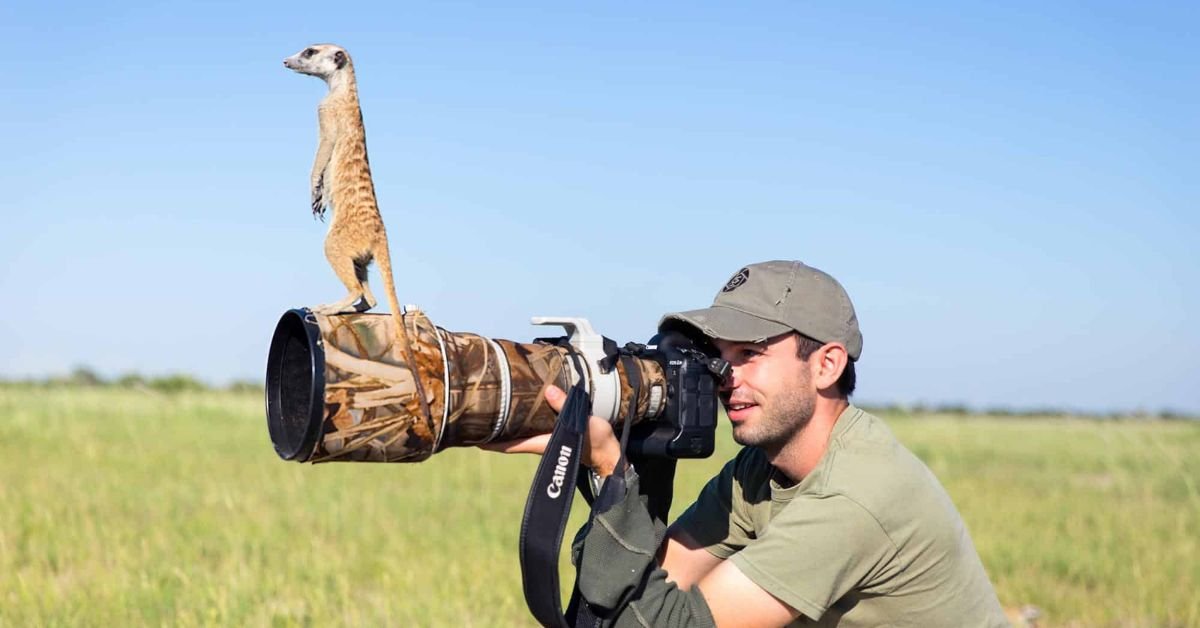
Wildlife photography is one of the most exciting hobbies you can pick up. You get to spend time in nature, watch animals in their true habitat, and capture moments that most people never see.
But there is one thing that decides whether your photos turn out sharp and stunning or blurry and disappointing. That thing is your lens.
Many beginners think the camera body matters most. In reality, wildlife photography lenses play a bigger role in image quality than the camera itself. A great lens on an average camera will often beat an average lens on a great camera.
This guide will walk you through everything you need to know about choosing the right lens for animals, birds, and nature photography.
We will keep things simple. No confusing jargon. Just clear, useful information that helps you make a smart choice.
Why Wildlife Photography Lenses Are Different
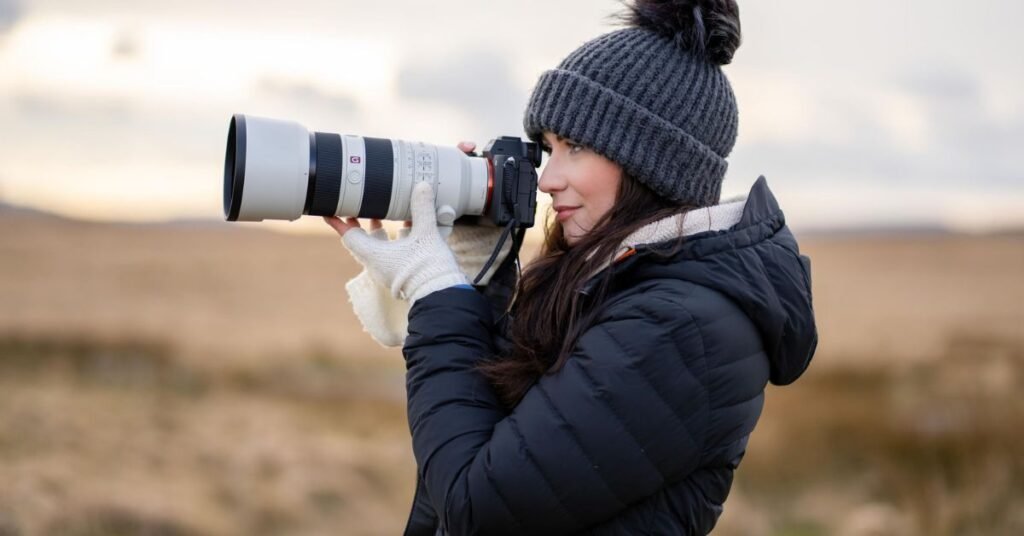
Wildlife photography lenses are not like normal camera lenses. Most animals do not let you walk up close and take their picture. They run away, fly off, or in some cases, they might attack you. This is why wildlife photographers need lenses that let them shoot from a safe distance.
A regular 50mm lens works great for portraits or street photography. But it fails badly for wildlife. You simply cannot get close enough to fill the frame with your subject.
This is where telephoto lenses come in. These lenses have a long focal length, which makes far-away animals appear close and large in your photo.
Wildlife lenses also need to handle tough outdoor conditions. Rain, dust, heat, and cold are common when shooting in forests or grasslands. So these lenses are usually built tough, with weather sealing to protect the internal parts.
They also need fast autofocus, because animals move fast and do not wait for you to adjust settings. A deer running through the woods or a bird taking flight will not pose for a slow lens.
Understanding Focal Length for Wildlife Shots
Focal length is the single most important factor when picking a lens for wildlife. It decides how close or far your subject appears in the photo. The higher the focal length number, the more reach your lens has.
For big animals like elephants, deer, or bears, a focal length between 300mm and 400mm usually works well. You can get close enough at safe distances, and the size of these animals fills the frame nicely even from far away.
For small birds, the story is different. Birds are tiny and often sit high up in trees or fly quickly across the sky. To capture sharp, detailed bird photos, you need serious reach. Many wildlife photographers use lenses in the 500mm to 800mm range for birding.
Here is a simple table to help you understand which focal length suits which subject.
| Subject Type | Recommended Focal Length | Example Use Case |
| Large mammals (elephants, bears) | 200mm to 400mm | Safari, national parks |
| Medium animals (deer, foxes) | 300mm to 500mm | Forest and grassland photography |
| Small birds | 500mm to 800mm | Birding, backyard photography |
| Wildlife in motion | 300mm to 600mm zoom | Birds in flight, running animals |
If you are just starting out and unsure what you will shoot most, a zoom lens with a wide range like 100-400mm or 200-600mm gives you flexibility. You can adjust on the spot without carrying multiple lenses.
Prime Lenses vs Zoom Lenses
This is one of the biggest decisions you will make. Prime lenses have a fixed focal length, like 400mm or 600mm. Zoom lenses cover a range, like 100-400mm or 150-600mm.
Prime lenses are usually sharper and have wider apertures. This means they let in more light, which helps a lot in low light conditions like early morning or late evening, when most animals are active. The downside is that prime lenses are heavier, bulkier, and much more expensive.
Zoom lenses give you flexibility. You can quickly change your framing without moving or switching lenses. This is very useful when animals move unpredictably.
The trade-off is that zoom lenses often have a smaller maximum aperture, especially at the long end of the zoom range. This means they struggle a bit more in dim light.
For beginners, a zoom lens is usually the smarter choice. It is more affordable and lets you learn what focal lengths you actually need before spending big money on a prime lens.
Experienced photographers who know their shooting style often invest in prime lenses for the extra sharpness and light-gathering power.
Many wildlife photographers actually own both. They carry a zoom lens for flexibility and a prime lens for serious low-light or high-reach situations. As one professional wildlife photographer puts it, your choice of lens often matters more than anything else in your camera bag.
Aperture and Why It Matters
Aperture controls how much light enters your lens. It is written as an f-number, like f/2.8 or f/5.6. A smaller f-number means a wider aperture, which lets in more light.
For wildlife photography, aperture matters a lot. Animals are most active during dawn and dusk, when light is low. A lens with a wide aperture, like f/2.8 or f/4, helps you capture sharp images even in these tricky lighting conditions.
It also lets you use faster shutter speeds, which freeze motion and avoid blurry photos of moving animals.
A wide aperture also creates a soft, blurred background. This is called bokeh. It helps your subject stand out clearly from the background clutter, like leaves, branches, or grass. This effect makes wildlife photos look more professional and polished.
The downside of wide aperture lenses is cost and weight. Lenses with apertures like f/2.8 across a long zoom range are extremely expensive and heavy.
Many budget-friendly telephoto lenses have variable apertures, such as f/5.6-6.3, which change depending on the zoom level. These lenses are lighter on your wallet but need more light to perform well.
Image Stabilization and Autofocus Speed
Wildlife photography almost always involves handholding your camera, since tripods are not practical when animals move suddenly.
This is where image stabilization becomes important. It reduces camera shake, especially useful with long, heavy lenses where even small movements can blur your shot.
Most modern wildlife lenses include built-in stabilization systems. Canon calls this IS, Nikon calls it VR, and Sony calls it OSS. Regardless of the name, the function is the same. It helps you get sharper handheld shots, especially in lower light or at very long focal lengths.
Autofocus speed is equally important. Animals rarely stay still. A bird might take off in a split second, or a fox might dart into the bushes. If your lens takes too long to lock focus, you miss the shot completely.
Fast, accurate autofocus separates a good wildlife lens from a great one. Recent lens reviews show that newer telephoto models now offer autofocus speeds up to three times faster than older versions, along with much better subject tracking, making it far easier to keep fast, unpredictable animals sharp in every frame.
If you shoot birds in flight or fast-moving predators, prioritize a lens known for quick, reliable autofocus tracking. It will save you countless missed opportunities in the field.
Budget-Friendly Options for Beginners
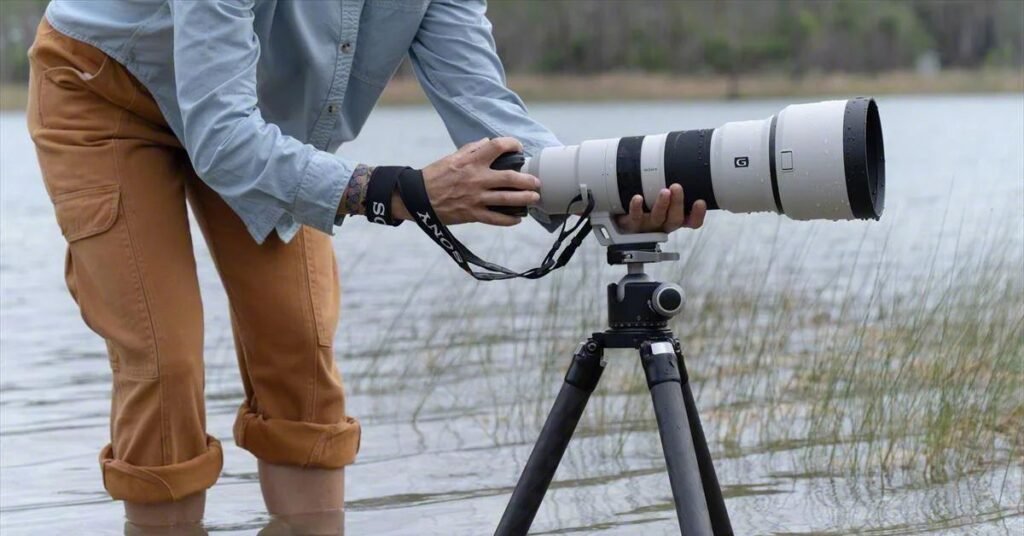
You do not need to spend thousands of dollars to start wildlife photography. Several budget lenses deliver solid image quality without draining your bank account. These lenses are perfect if you are testing the waters or shooting as a hobby rather than professionally.
Popular affordable options include zoom lenses in the 150-600mm range from third-party brands. These lenses offer huge reach at a fraction of the price of professional glass.
They may not autofocus quite as fast, and their apertures are narrower, but for daytime wildlife photography, they perform well.
Many photographers recommend starting with a lens under two thousand dollars. This lets you learn composition, timing, and fieldcraft skills without a heavy financial commitment.
Once you understand your shooting style and preferred subjects, you can decide whether to invest in premium primes later.
Here is a simple comparison table for budget planning.
| Budget Range | What You Get | Best For |
| Under $1,000 | Basic telephoto zooms, variable aperture | Casual hobbyists, backyard wildlife |
| $1,000 to $2,500 | Sharper zooms, better build quality | Serious hobbyists, travel photography |
| $2,500 to $6,000 | Professional zooms, faster autofocus | Semi-professional wildlife work |
| $6,000 and above | Prime lenses, wide apertures, top optics | Professional and dedicated bird photographers |
Remember, gear is just a tool. Patience, timing, and understanding animal behavior matter just as much as the lens you use.
Read for more info: https://wildtrailsapp.com/best-camera-for-wildlife-photography/
Weather Sealing and Build Quality
Wildlife does not wait for good weather. Rain, dust, snow, and extreme heat are all part of the job when you shoot outdoors regularly. This is why weather sealing is a must-have feature in any serious wildlife lens.
Weather-sealed lenses have rubber gaskets and protective coatings that stop moisture and dust from entering the lens body. This protects the internal glass elements and electronic parts from damage. Without this protection, a sudden rain shower or dusty trail could ruin your expensive equipment.
Build quality also affects how well a lens performs over years of heavy use. Wildlife photographers often carry their gear through rough terrain, bump it against branches, or drop it accidentally in the field.
A well-built lens with a metal or reinforced polycarbonate body can handle this wear and tear far better than a cheaply made one.
Even weather-sealed lenses benefit from extra protection. Many photographers use rain covers or lens hoods to add another layer of defense.
This small investment can extend the life of your lens significantly, especially if you shoot often in unpredictable outdoor conditions.
Lens Weight and Portability
Long telephoto lenses can be heavy, sometimes weighing several kilograms. This matters a lot if you plan to hike, travel, or carry your gear for long stretches during a shoot. A heavy lens can tire your arms quickly and make handheld shooting uncomfortable.
If portability is important to you, look for lenses that use lighter materials without sacrificing too much optical quality. Some brands now offer lightweight super-telephoto lenses that use special glass elements to reduce weight while keeping sharpness high.
For photographers who shoot mostly from a vehicle, hide, or fixed location, weight matters less since you can rest the lens on a support.
But if you are trekking through forests or climbing hills to reach wildlife, a lighter lens will make your entire experience more enjoyable and less exhausting.
A useful tip is to test the lens weight in-store before buying, if possible. Holding it for a few minutes gives you a realistic sense of whether you can manage it comfortably for hours in the field.
Choosing the Right Lens for Your Camera Brand
Different camera brands use different lens mounts, so compatibility matters. Canon, Nikon, and Sony each have their own lineup of wildlife-friendly lenses designed specifically for their mirrorless systems.
Canon shooters often go for lenses in the RF mount lineup, which include long zooms and bright primes built for wildlife and bird photography. Nikon offers similar options in its Z mount system, known for sharp optics and solid stabilization. Sony’s E-mount lineup is popular among bird photographers for its fast autofocus tracking.
If you already own a camera, always check which mount your body uses before buying a lens. Mixing mounts usually requires an adapter, which can sometimes reduce autofocus speed or image quality slightly.
Third-party lens makers also produce excellent, more affordable options compatible across multiple mounts. These give you flexibility if you are on a budget or want a wider range of choices beyond the official brand lenses.
Final Tips Before You Buy
Before making your final decision, think carefully about what you shoot most often. If your photos are mostly birds, prioritize reach and fast autofocus. If you shoot larger animals like deer or big cats, a shorter, brighter lens may serve you better.
Try renting a lens before buying, if that option is available near you. This lets you test real-world performance without committing to a big purchase. Many photography stores and online services offer short-term rentals specifically for this purpose.
Also, consider your long-term goals. If you plan to grow seriously into wildlife photography, it might be smarter to invest a bit more upfront in a quality lens rather than upgrading twice. On the other hand, if this is just a hobby, a budget-friendly zoom will serve you well for years.
Conclusion
Choosing the right wildlife photography lens does not have to feel overwhelming. Focus on your subject type, your budget, and how you plan to shoot.
Focal length determines your reach, aperture affects your low-light performance, and build quality decides how well your gear survives outdoor conditions.
Beginners should start with a flexible zoom lens that covers a wide focal range. As your skills and interests grow, you can invest in specialized primes for extra sharpness and speed.
Remember, the best lens is the one that fits your shooting style, not just the most expensive one on the market. With the right lens in hand, you will be ready to capture unforgettable moments in the wild.
FAQs
What is the best focal length for wildlife photography?
For most animals, a focal length between 300mm and 600mm works well. Birds usually need more reach, closer to 500mm to 800mm, while larger mammals can be photographed comfortably at 300mm to 400mm.
Do I need a prime lens or a zoom lens for wildlife photography?
Zoom lenses offer flexibility and are great for beginners. Prime lenses offer sharper images and wider apertures but cost more and weigh more. Many photographers eventually own both types for different situations.
How much should I spend on my first wildlife lens?
You can start with a budget lens under one thousand dollars and still get good results. As you grow more serious, you can move up to lenses in the two-to six-thousand-dollar range for better speed and image quality.
Is image stabilization necessary for wildlife lenses?
Yes, image stabilization is very helpful since most wildlife shots are handheld. It reduces blur caused by camera shake, especially with long, heavy lenses.
Can I use a wildlife lens for other types of photography?
Yes, telephoto wildlife lenses work well for sports photography, air shows, and even some landscape shots where you want to compress distant scenery. However, they are not ideal for wide shots or close-up portraits.