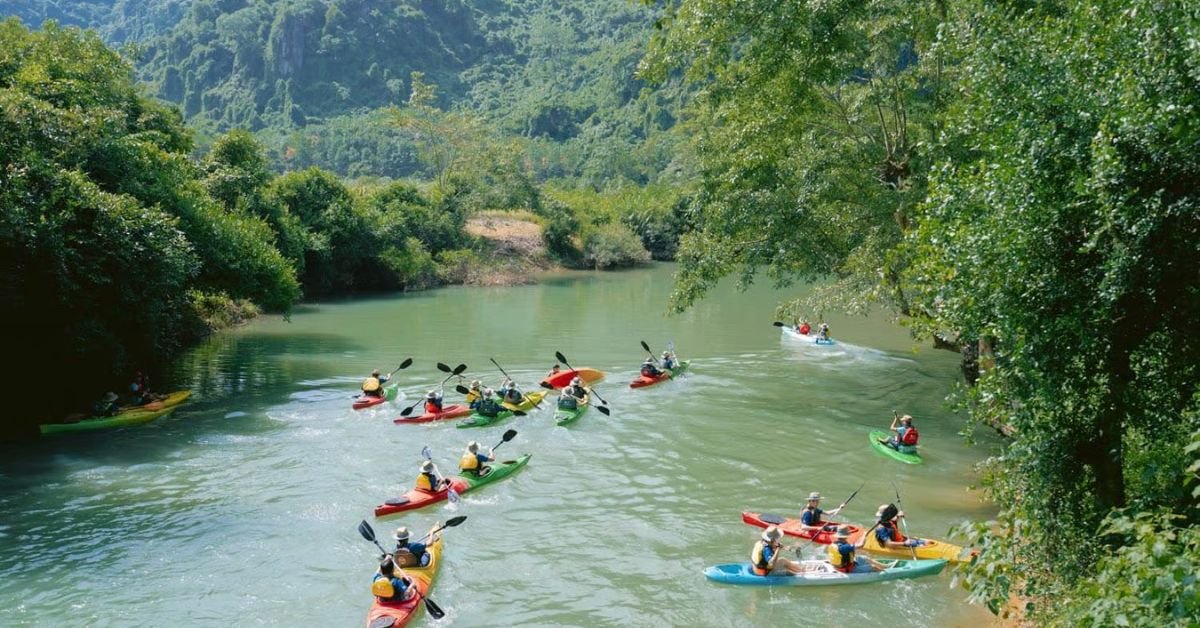
Travel is changing. More people now want trips that do good, not just look good. This is why eco-tourism destinations are becoming so popular.
Travellers want fresh air, clean nature, and real wildlife. They also want their trips to help, not hurt, the planet.
In this article, we will look at some of the best eco-tourism destinations in the world. We will also explain what makes a place truly eco-friendly.
You will learn simple tips to travel green. By the end, you will know where to go and how to plan a trip that is kind to nature.
What Are Eco-Tourism Destinations?
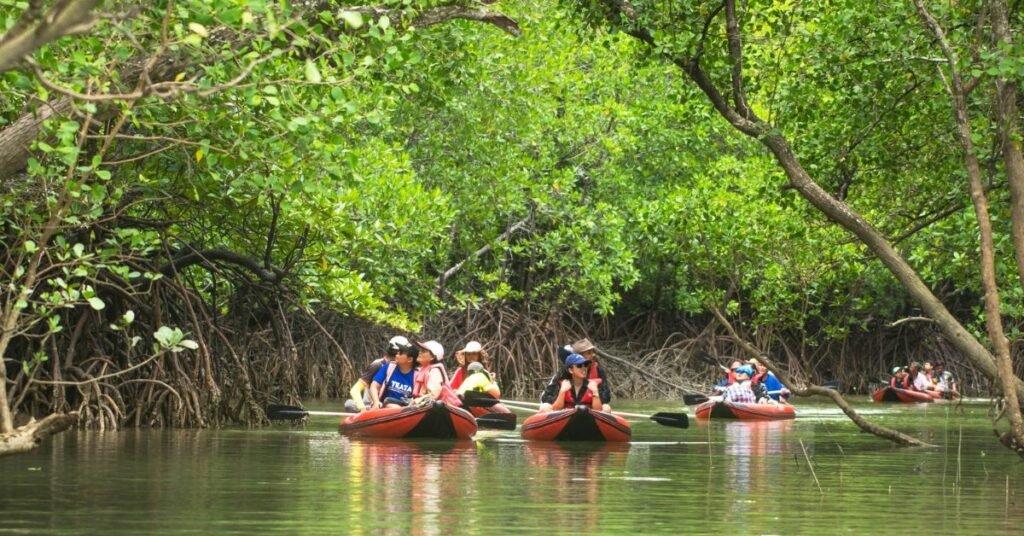
Eco-tourism destinations are places built around nature and care for the environment. These spots protect forests, oceans, and animals instead of harming them.
Local communities often run the tours. This means your money goes back into the area, not just big hotel chains.
A true eco-tourism spot follows a few simple rules. It limits the number of visitors, so nature is not overused. It uses clean energy like solar power.
It also protects wildlife and plants through strict laws. Many of these places train local guides, so tourists learn about culture and nature at the same time.
Eco-tourism is not just about pretty views. It is about balance. The goal is simple: let people enjoy nature today without ruining it for tomorrow.
This mindset is now shaping how the whole travel industry works, and it is only growing stronger each year.
Why Eco-Tourism Destinations Are Growing in Popularity
People today care more about the planet than before. They see news about climate change and want to help. This is why eco-tourism destinations are booming across the globe.
Reports show this sector could grow close to $1 trillion by 2035. That is a huge jump from where it stood just a few years back.
Modern travellers do not want packed resorts and noisy crowds. They want quiet trails, clean beaches, and real animal encounters.
They also want their trip to support local families, not just big companies. This shift is pushing hotels and tour companies to change how they work.
Governments are helping too. Many countries now limit tourist numbers in fragile areas. They also fund projects that protect forests and wildlife.
This mix of traveller demand and government support is why eco-tourism keeps growing every single year.
| Reason for Growth | Impact on Travel |
| Climate awareness | More demand for green trips |
| Local community support | Money stays in local hands |
| Wildlife protection laws | Safer habitats for animals |
| Renewable energy use | Lower carbon footprint |
Best Eco Tourism Destinations Around the World
Let’s explore some of the top eco-tourism destinations that travellers are choosing this year. Each place offers something unique, from rainforests to icy glaciers.
Costa Rica
Costa Rica remains one of the world’s most loved eco-tourism destinations. The country runs on clean energy and protects a huge chunk of its land as forest reserves.
Visitors can walk through rainforests, spot sloths, and zipline above the treetops. Local guides teach travellers about rare birds and plants found nowhere else.
The country also supports small eco-lodges instead of huge resorts. This keeps the tourism money flowing into small towns.
Beaches here are also protected, with turtle nesting sites guarded closely during breeding season. Costa Rica proves that nature and tourism can grow together without conflict.
Bhutan
Bhutan takes a different path from most countries. It measures success through happiness, not just money.
This tiny Himalayan nation is carbon-negative, meaning it absorbs more carbon than it releases. Tourists here pay a daily fee that funds schools, hospitals, and forest care.
Visitors can trek through untouched mountains and visit ancient monasteries. Bhutan limits tourist numbers on purpose. This keeps nature calm and trails clean.
Travellers often say Bhutan feels different from anywhere else, mostly because the country treats tourism as a tool for good, not just profit.
New Zealand
New Zealand blends stunning nature with strong conservation rules. The country protects its forests, lakes, and mountains through firm laws. Many local groups run tours that teach visitors about native plants and rare birds like the kiwi.
Hiking trails here are well managed, so nature does not suffer from heavy footfall. Coastal towns also support marine life protection, especially around whale and dolphin habitats.
New Zealand shows how a country can welcome millions of tourists each year while still keeping its wild spaces safe and clean.
Iceland
Iceland has become a top pick among eco-tourism destinations because of its focus on clean energy and nature protection.
Almost all its power comes from geothermal and hydro sources. Visitors flock here to see waterfalls, glaciers, and the northern lights.
The government also manages trail access closely. Popular spots now use permit systems to avoid overcrowding.
This keeps fragile land, like moss fields and volcanic areas, safe from damage. Iceland’s mix of raw nature and smart planning makes it a model for other countries to follow.
Kenya
Kenya offers some of the richest wildlife experiences on the planet. Conservancies like Loisaba protect endangered animals while giving local Maasai and Samburu communities a steady income.
Visitors can go on safaris, spot wild dogs, and even join anti-poaching patrol teams for a short while.
Lodges here run on solar power and use local materials for building. Kenya’s model shows how tourism can fund conservation directly.
Every safari fee often goes back into protecting land and animals, making this one of the most impactful eco-tourism destinations in Africa.
The Great Barrier Reef, Australia
This marine wonder is one of the most famous eco-tourism destinations for ocean lovers. Its clear waters hold thousands of species, from sea turtles to colourful reef fish. Visitors can snorkel, dive, or take glass-bottom boat tours to see the coral up close.
Local rules protect the reef from harmful fishing and pollution. Tour operators follow strict guidelines to avoid damaging coral beds.
Coastal towns nearby also depend on this reef, so protecting it means protecting their way of life too. It remains a top choice for anyone who loves the ocean.
Yellowstone, United States
Yellowstone is one of the oldest and most iconic eco-tourism destinations in the world. Its geothermal features, like Old Faithful, draw millions of visitors each year. The park also protects large animals such as bison, elk, and grizzly bears.
Trails here are managed carefully to reduce harm to plants and soil. Visitors can go hiking, fishing, or simply take scenic drives through the valleys.
Yellowstone shows how old parks can still lead the way in nature protection, even after being open to the public for over a century.
How to Choose the Right Eco-Tourism Destination

Picking the right spot depends on what you enjoy most. Some travellers love forests and wildlife. Others prefer oceans, mountains, or icy landscapes. Think about what excites you before booking a trip.
Check how a destination treats its environment. Good eco-tourism destinations limit visitor numbers and protect natural sites through law.
They also support local businesses instead of big outside chains. Look for lodges that use solar power or other clean energy sources.
Read reviews from other travellers too. Many people share how a trip affected local communities and nature. This can help you avoid places that only claim to be green but do not follow real eco practices.
A little research before booking saves you from supporting fake “greenwashed” tourism spots.
Lastly, think about group size. Smaller tours often mean less damage to trails and wildlife. They also give you a closer, more personal experience with nature and local guides.
Read for more info: https://wildtrailsapp.com/national-park-vacation/
Simple Tips for Responsible Eco Travel
Travelling green does not need to be hard. Small choices make a big difference. Carry a reusable water bottle instead of buying plastic ones. Choose local food and crafts instead of imported goods. This keeps money flowing into the community you are visiting.
Stick to marked trails when hiking. Wandering off paths can harm plants and disturb animal homes. Always follow guide instructions during wildlife tours, especially around nesting or breeding areas. Avoid loud noises that might scare animals away from their natural behaviour.
Pick eco-certified hotels or lodges when possible. These places often use solar energy, recycle waste, and support local staff fairly.
Booking through such places supports the wider goal of eco-tourism destinations growing in the right direction.
Lastly, respect local culture. Learn a few words of the local language and follow dress codes at religious or cultural sites. Small gestures like these build trust and respect between travellers and host communities.
The Future of Eco-Tourism Destinations
The future looks bright for green travel. More countries are adding rules to protect fragile areas from overcrowding. Airlines and hotels are also testing cleaner fuel and energy options to cut pollution from travel.
Technology is helping too. Apps now track visitor numbers in real time, helping parks manage crowds better. Some destinations use booking systems that cap daily visitor limits, keeping nature calm and protected.
Community-led tourism is also growing fast. Local groups are taking charge of tours instead of big outside companies. This means more money and control staying with the people who call these places home.
As awareness spreads, eco-tourism destinations will likely become the normal way to travel, not just a niche choice for a few conscious tourists.
Conclusion
Eco-tourism destinations are changing how the world travels. They mix real adventure with genuine care for nature and local people. From Costa Rica’s rainforests to Iceland’s glaciers, each spot proves that travel can be both exciting and responsible.
Choosing green travel does not mean giving up fun. It means picking smarter options that protect the places you love to visit. As more travellers demand cleaner, fairer trips, eco-tourism destinations will keep growing and improving.
Your next trip could be the one that helps protect a forest, a reef, or a small village community for years to come.
FAQs
What makes a place an eco-tourism destination?
A true eco-tourism destination protects nature, limits visitor damage, and supports local communities through fair tourism practices.
Which country is the best example of eco-tourism?
Costa Rica and Bhutan are often called top examples because of their strong conservation laws and clean energy use.
Is eco-tourism more expensive than regular travel?
Sometimes yes, since eco lodges and small tours cost more to run responsibly. However, many budget-friendly eco options also exist worldwide.
Can families enjoy eco-tourism destinations?
Yes, many eco-tourism spots offer safe, guided tours perfect for families, including wildlife safaris and nature walks suited for kids.
How can I make sure a destination is truly eco-friendly?
Check for local certifications, read traveller reviews, and look for clean energy use, waste management, and community involvement before booking.