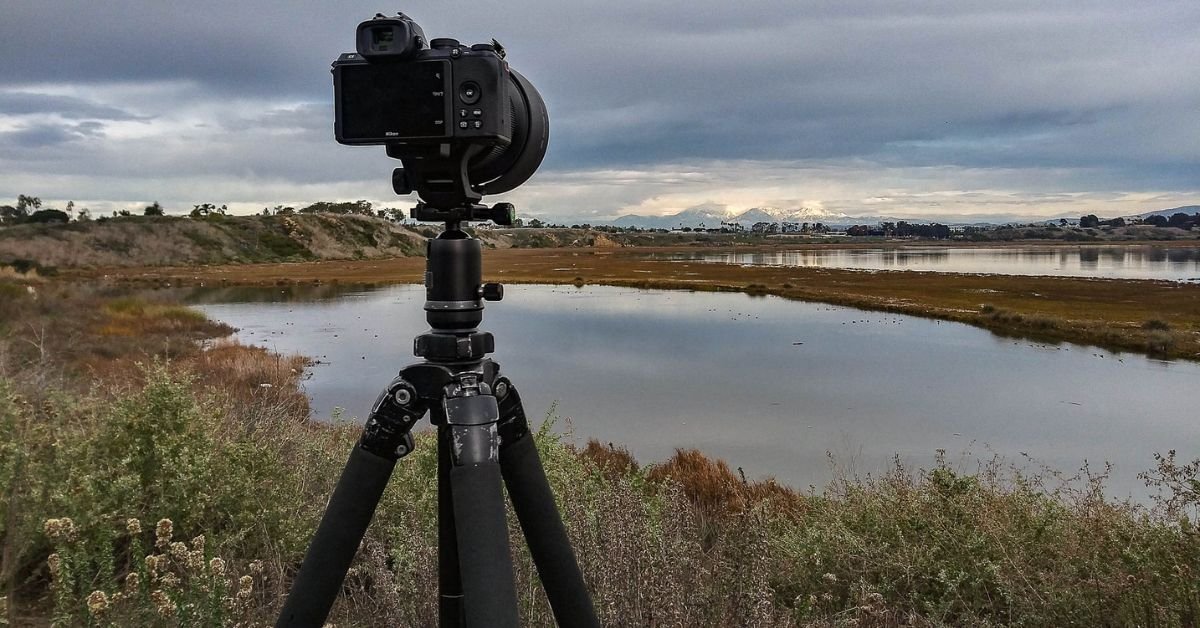
Wildlife photography is not easy. Animals move fast. Light changes quickly. Your hands get tired after holding a heavy lens for hours.
This is where a good camera tripod for wildlife becomes your best friend. It gives you a steady base so your photos come out sharp, even in low light or with a long lens.
In this guide, we will talk about everything you need to know before buying a tripod for wildlife photography. We will keep things simple and easy to follow, so even beginners can understand.
Why You Need a Camera Tripod for Wildlife Photography
Many new photographers think they can just hold the camera in their hands. This works for some situations, but not for wildlife. Long lenses are heavy.
They shake more than small lenses. Even a tiny shake can make your photo blurry, especially when the animal is far away.
A camera tripod for wildlife solves this problem. It holds your camera steady so you don’t have to fight against gravity.
This is very useful during early morning or evening shoots, when light is low, and your camera needs a slower shutter speed. Without a tripod, your photo will likely turn out shaky and unclear.
Tripods also help you wait quietly. Wildlife photography needs patience. You may sit for hours waiting for a bird or animal to appear.
A tripod lets you rest your camera without holding it the entire time. Your arms stay fresh, and you stay ready for the perfect moment. This small tool can make a huge difference in the quality of your wildlife shots.
Types of Tripods for Wildlife Photography
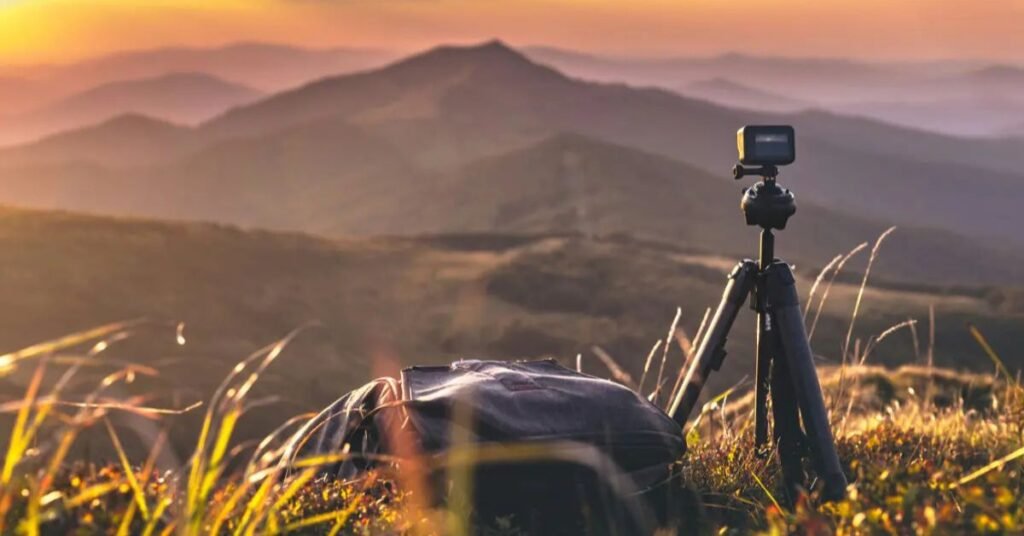
Not all tripods work the same way. Different types suit different shooting styles. Let’s look at the main types used in wildlife photography.
| Type | Best For | Pros | Cons |
| Standard Tripod | General wildlife shots, low light | Very stable, good for heavy lenses | Heavier, slower to set up |
| Monopod | Moving subjects like birds in flight | Light, fast to move | Cannot stand alone, less stable |
| Carbon Fiber Tripod | Long hikes, rough terrain | Lightweight, absorbs vibration well | Costs more than aluminum |
| Aluminum Tripod | Budget shooting | Cheaper, strong | Heavier to carry |
| Tabletop Tripod | Small cameras, tight spaces | Very compact | Cannot use with big lenses |
A standard tripod is the safest choice for beginners. It gives full support and works well in most situations.
A monopod is great if you shoot birds in flight or fast-moving animals, since you can swing the lens easily. Many experienced photographers even carry both, depending on the day’s plan.
Carbon Fiber vs Aluminum: Which One Should You Choose
This is one of the biggest questions people ask when buying a camera tripod for wildlife. Both materials have their own strengths.
Carbon fiber tripods are lighter. This matters a lot when you are hiking long distances to find animals. They also absorb vibration better, which means your lens shakes less.
This gives you sharper images, especially with long telephoto lenses. The only downside is the price. Carbon fiber tripods usually cost more than aluminum ones.
Aluminum tripods are heavier but cost less. If you are just starting out and don’t want to spend too much, aluminum is a good option.
It can still hold heavy lenses and works fine in most weather conditions. The only issue is carrying it on long walks, since the extra weight adds up over time.
Here is a simple comparison to help you decide.
| Feature | Carbon Fiber | Aluminum |
| Weight | Light | Heavy |
| Price | Higher | Lower |
| Vibration Control | Excellent | Average |
| Durability | Very good | Very good |
| Best For | Frequent travelers | Budget buyers |
If you plan to shoot wildlife often and travel to different locations, carbon fiber is worth the extra cost. If you shoot occasionally near home, aluminum will serve you well.
Important Features to Check Before Buying
Buying the right tripod means checking a few key features. These features decide how well your tripod performs in the field.
Load capacity is the first thing to check. This tells you how much weight the tripod can hold. Wildlife lenses are usually big and heavy, so make sure the tripod can support your camera and lens together, with some extra room to spare.
Height range matters too. You want a tripod that can go as low as ground level for close-up shots and as high as your eye level for standing shots. A flexible height range gives you more creative options in the field.
Leg locks are another important part. Some tripods use twist locks, while others use flip locks. Flip locks are usually faster to open and close, which helps when an animal appears suddenly and you need to set up quickly.
Leg angle adjustment helps you shoot on uneven ground, like rocks, sand, or slopes. A tripod with multiple angle options gives you more flexibility outdoors.
Weather resistance is also worth checking, especially if you shoot near rivers, lakes, or in rainy areas. A sealed tripod resists dust and moisture, which helps it last longer.
Best Tripod Head for Wildlife Photography
The head is the part that connects your camera to the tripod legs. Choosing the right head is just as important as choosing the tripod itself.
A gimbal head is the top pick for serious wildlife photographers. It balances the weight of a heavy telephoto lens, letting you move it smoothly in any direction. This is perfect for tracking birds in flight or animals running across a field.
A ball head is more common and works well for general use. It is smaller, lighter, and easier to carry. It suits photographers who shoot a mix of wildlife, landscapes, and travel photos.
A 3-way pan head gives precise control over tilt and pan movement separately. It is bulkier but useful if you want exact framing, especially for still subjects like a resting animal or bird on a branch.
| Head Type | Best Use | Weight | Ease of Use |
| Gimbal Head | Heavy telephoto lenses, action shots | Heavy | Moderate |
| Ball Head | General wildlife and travel | Light | Easy |
| 3-Way Pan Head | Precise framing | Heavy | Moderate |
If your budget allows only one head, a ball head is a safe all-round choice. But if you shoot with big lenses often, a gimbal head will save your arms and give better results.
Read for more info: https://wildtrailsapp.com/wildlife-camera-settings/
How to Use a Tripod Correctly in the Field
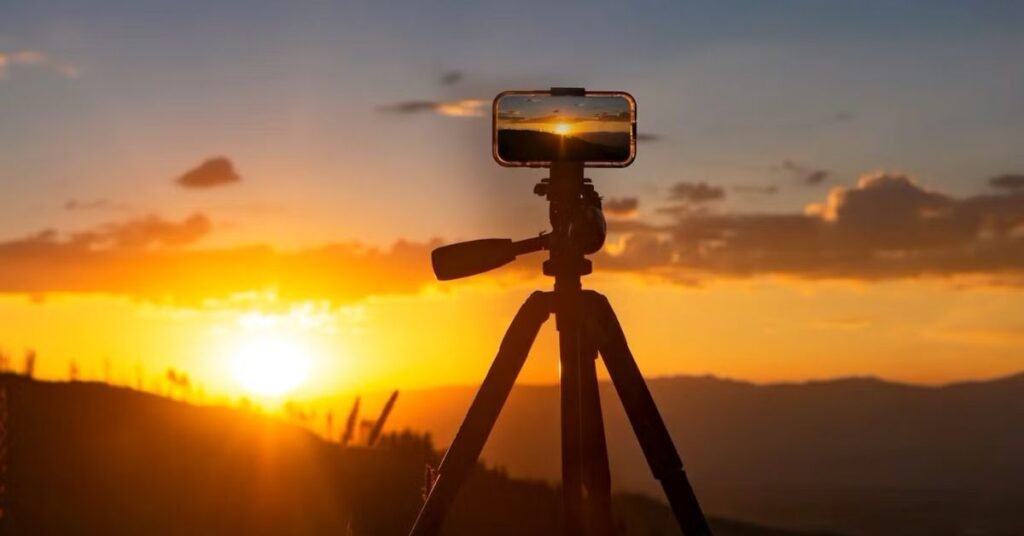
Owning a good tripod is not enough. You also need to use it the right way to get sharp photos.
Always widen your tripod legs on soft ground like sand, mud, or grass. This gives extra grip and stops the tripod from sinking or wobbling. On hard surfaces like rocks or boardwalks, a narrower stance works fine.
Push each leg firmly into the ground before locking it. This small step avoids sudden shifts while you are shooting. If you are near water or wind, add extra weight to the tripod, such as a bag, to keep it steady.
Keep the center column low when possible. Extending it too high reduces stability, especially in windy areas. Only raise it fully when there is no other way to get your desired angle.
Practice setting up your tripod quickly at home. Wildlife does not wait. The faster you can set up your gear, the more chances you get to capture that perfect shot.
Budget-Friendly Options Without Losing Quality
Not everyone wants to spend a lot of money on a camera tripod for wildlife. The good news is that budget-friendly options can still perform well.
Look for tripods with aluminum legs and a simple ball head. These usually cost less and still support medium-sized lenses. Many budget models also include a monopod conversion feature, giving you two tools in one.
Check the load capacity carefully before buying a cheap tripod. Some budget models look sturdy but cannot hold heavy lenses safely. Reading real user reviews helps you avoid this mistake.
Buying used gear from trusted sellers is another smart way to save money. Many professional photographers upgrade their tripods often, so good-quality used tripods are easy to find at lower prices.
Common Mistakes to Avoid
Many beginners make small mistakes that reduce the life of their tripod or affect photo quality. Avoiding these mistakes saves both money and frustration.
Never overload your tripod beyond its stated weight limit. This can cause the tripod to tip over or break, damaging your expensive camera gear.
Do not leave your tripod exposed to salty air or heavy rain without cleaning it afterward. Moisture can damage the locking mechanisms over time.
Avoid buying a tripod only based on price. A cheap tripod that cannot hold your lens properly will give you blurry photos, wasting the effort you put into finding wildlife.
Do not skip practicing at home. Many photographers miss great shots simply because they were still figuring out how to set up their tripod in the field.
Conclusion
A good camera tripod for wildlife photography is one of the smartest investments you can make. It gives you steady shots, saves your arms from fatigue, and helps you capture sharp images even in tricky light.
Whether you choose carbon fiber or aluminum, a gimbal head or a ball head, the right choice depends on your budget and shooting style.
Take your time to check features like load capacity, height range, and weather resistance before buying. Practice using your tripod at home so you are fast and ready when wildlife appears. With the right support system, your photography will improve, and you will capture moments that truly stand out.
Frequently Asked Questions
What is the best camera tripod for wildlife photography on a budget? Aluminum tripods with a ball head are a good budget choice. They are strong enough for most cameras and cost much less than carbon fiber models.
Is carbon fiber really better than aluminum for wildlife photography?
Carbon fiber is lighter and absorbs vibration better, which helps with long lenses. However, aluminum is still strong and works fine if you don’t mind the extra weight.
Do I need a gimbal head for wildlife photography?
A gimbal head is very useful if you use heavy telephoto lenses and shoot moving subjects like birds in flight. For lighter setups, a ball head works just fine.
Can I use a monopod instead of a tripod for wildlife photography?
Yes, a monopod is great for tracking fast-moving animals. But it cannot stand on its own and is not ideal for long exposure or resting shots.
How much weight capacity should my tripod have?
Your tripod should support at least the combined weight of your camera and lens, plus some extra buffer for safety and stability.