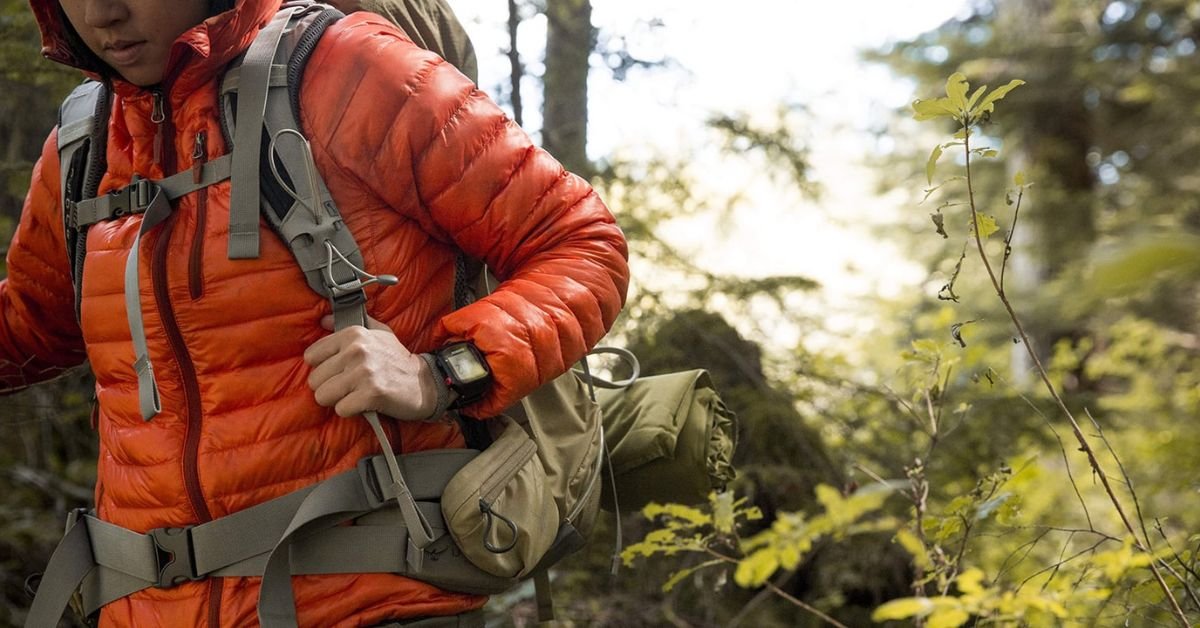
Nature lovers and wildlife enthusiasts know one thing very well. The right outdoor gear for wildlife can make or break your experience. Whether you want to watch birds in your backyard or photograph bears in the mountains, your gear matters a lot. It helps you stay safe, comfortable, and ready for anything the wild throws at you.
This complete guide covers everything you need to know about choosing the best outdoor gear for wildlife activities. We will walk you through binoculars, cameras, clothing, trail cameras, safety tools, and much more. By the end, you will know exactly what to pack for your next outdoor adventure.
Why You Need the Right Outdoor Gear for Wildlife
Going into nature without proper gear is like driving a car without fuel. You might start the journey, but you will not get far. Good outdoor gear for wildlife helps you blend into the environment. It keeps animals calm and undisturbed. It also protects you from harsh weather, rough terrain, and unexpected situations.
Wildlife does not follow a schedule. Animals appear when they want to, not when you are ready. That is why your gear should always be ready before you are. A good pair of binoculars lets you spot a rare bird from a safe distance.
Waterproof boots keep your feet dry during a morning hike through wet grass. A quality trail camera captures animals even when you are sleeping at home.
The right gear also makes the experience more enjoyable. You spend less time worrying about comfort and more time enjoying the beauty of nature. Whether you are a beginner or an experienced wildlife watcher, investing in proper outdoor gear for wildlife is always worth it.
Binoculars – The Most Essential Outdoor Gear for Wildlife
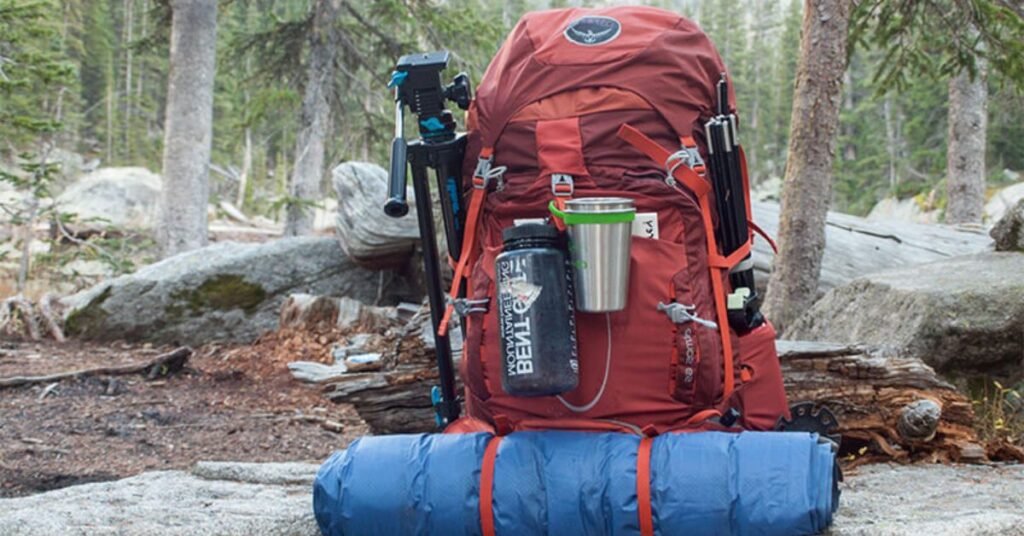
Binoculars sit at the top of every wildlife watcher’s gear list. They are the single most important tool you can carry. A good pair of binoculars brings distant animals right to your eyes without disturbing them.
When shopping for binoculars, you will see numbers like 8×42 or 10×42. The first number tells you the magnification power. The second number shows the size of the front lens in millimeters.
For general wildlife watching, 8×42 binoculars work great. They give you a wide field of view and perform well in low light. If you need more reach for spotting animals far away, 10×42 binoculars are a solid choice.
Look for binoculars with BaK-4 prisms and fully multi-coated lenses. These features deliver bright, sharp, and color-accurate images. Waterproofing is also a must.
Weather changes quickly outdoors, and moisture can permanently damage unprotected optics. Even morning dew or high humidity can cause problems over time.
Popular brands like Nikon, Vortex, and Canon offer excellent options across different price ranges. Beginners can start with budget-friendly models and upgrade later as their skills grow.
Cameras and Lenses for Wildlife Photography
Wildlife photography has become one of the most popular outdoor hobbies in the world. Capturing a stunning image of a wild animal in its natural habitat is deeply rewarding. But it requires the right camera-and-lens setup.
Choosing the Right Camera Body
Your camera body is the foundation of your wildlife photography gear. You need a camera that handles fast action and unpredictable movement. Look for a camera with fast autofocus, high burst rates, and good low-light performance.
Mirrorless cameras have taken the lead in wildlife photography. Models like the Sony Alpha 7C II feature built-in AI that locks onto animals and auto-focuses even through branches and foliage. This kind of technology makes a huge difference when shooting birds in flight or animals running through thick brush.
Picking the Best Lens
A telephoto lens is non-negotiable for wildlife photography. Animals rarely let you get close, so you need a lens with serious reach. A 70-200mm zoom lens offers flexibility for various situations.
For more distant subjects, a 100-400mm or even a 600mm lens gives you the reach you need. Keep in mind that longer lenses are heavier and more expensive. Many photographers rent lenses before buying to test what works best for their style.
Must-Have Camera Accessories
Beyond the camera and lens, a few accessories complete your kit. Extra batteries and high-speed memory cards are essential for long days in the field. A sturdy tripod or monopod keeps your shots steady during long waits.
A gimbal head allows smooth panning when tracking moving animals. A waterproof rain cover for your camera protects your investment when the weather turns bad.
Trail Cameras – Your Eyes in the Wild
Trail cameras have completely changed how we observe wildlife. These motion-activated cameras capture photos and videos of animals around the clock. You do not need to be there. The camera does all the work for you.
Trail cameras use passive infrared (PIR) sensors to detect motion and body heat. When an animal enters the detection zone, the camera automatically snaps a photo or records a video.
This makes trail cameras perfect for studying animal behavior, identifying species on your property, or scouting locations before a photography trip.
What to Look for in a Trail Camera
When choosing a trail camera, pay attention to these key features:
- Trigger speed – Faster is better. Look for cameras with trigger speeds under 0.3 seconds so you never miss a passing animal.
- Image resolution – Higher megapixels mean clearer and more detailed images. Many modern trail cameras offer 30MP to 64MP sensors.
- Night vision – Infrared or no-glow flash lets you capture images at night without spooking animals.
- Battery life – Long battery life matters for remote locations where you cannot visit often.
- Weatherproofing – An IP66 rating ensures your camera survives rain, snow, and extreme temperatures.
Top Trail Camera Options
| Trail Camera | Best For | Key Feature |
| SPYPOINT Flex-S-Dark Solar | Remote locations | Dual-SIM cellular + solar panel |
| MAXDONE Solar WiFi Camera | Backyard wildlife | Solar charging + WiFi, no subscription |
| Meidase P70 | Budget buyers | High specs at a low price |
| GardePro E5S | Simple setup | Reliable and easy to use |
| Browning Recon Force Elite HP5 | Best video quality | Class-leading video and wide field of view |
Trail cameras are no longer just tools for hunters. They have become essential outdoor gear for wildlife lovers of all kinds. From backyard birdwatchers to conservation researchers, trail cameras open a window into the secret lives of animals.
Clothing and Footwear for Wildlife Watching
Your clothing plays a bigger role in wildlife observation than most people realize. Animals have sharp senses. Birds can spot bright colors from remarkable distances. Deer can hear the rustle of a nylon jacket from far away. Your clothing choices directly affect how close you can get to wildlife.
Colors and Fabrics Matter
Stick to neutral, earth-toned colors like olive green, brown, tan, and grey. These colors help you blend into natural surroundings. Avoid bright whites, reds, oranges, and high-contrast patterns. Animals see these as warning signals and will flee before you get close enough to observe them.
Fabric noise is another critical factor. Hard-shell nylon jackets produce a loud swishing sound with every movement. This noise announces your presence before you even see an animal. Choose soft-shell materials, fleece, and merino wool for your outer layers. These fabrics move quietly and keep you hidden from alert wildlife.
Layering System for All Seasons
A good layering system keeps you comfortable in any weather. Here is a simple breakdown:
| Layer | Purpose | Best Material |
| Base layer | Moisture wicking | Merino wool or synthetic |
| Mid layer | Insulation | Fleece or down |
| Outer layer | Wind and rain protection | Soft-shell or waterproof breathable fabric |
Footwear for the Field
Your feet carry you through every outdoor adventure. Invest in sturdy, waterproof boots with good ankle support. Rubber-soled boots minimize noise on dry leaves and twigs.
In warmer months, lightweight hiking shoes or trail runners work well for shorter outings. Always break in new boots before a big trip to avoid blisters and discomfort.
Accessories like fingerless gloves, a brimmed hat, and a lightweight face net for buggy areas round out your wildlife watching wardrobe. Comfort and stealth should guide every clothing decision.
Backpacks and Bags for Wildlife Adventures
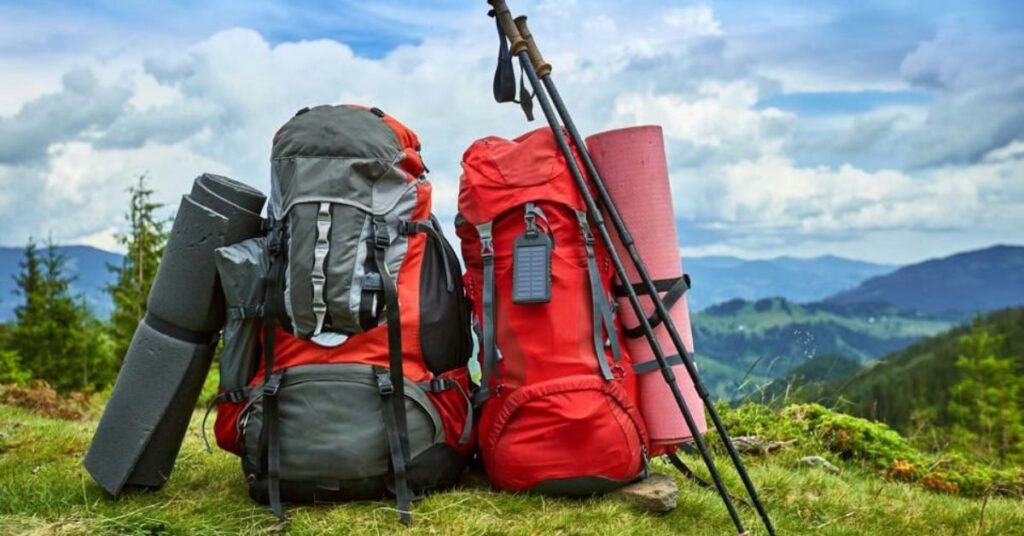
Carrying your outdoor gear for wildlife requires a good backpack. You need something that holds all your equipment while keeping it organized, protected, and easy to access.
For day trips, a 25-35 liter backpack works well. It holds your binoculars, camera, water, snacks, and extra layers without being too bulky. For longer backcountry trips, consider a 50-65 liter pack with proper hip belt support to distribute weight evenly.
Look for backpacks with padded compartments for your optics and camera gear. Water-resistant materials protect your equipment from sudden rain. External attachment points let you strap a tripod or monopod to the outside of your pack.
Some photographers prefer specialized camera backpacks, but experienced wildlife photographers often recommend using a regular outdoor backpack instead.
Outdoor-brand packs tend to be more comfortable, more durable, and better designed for long hikes than photography-specific bags. You can add padded inserts or lens pouches inside a regular backpack for protection.
Read more for info: https://wildtrailsapp.com/camera-accessories/
Night Vision and Thermal Imaging Gear
Wildlife does not stop when the sun goes down. Many fascinating animals are active only at night. Nocturnal creatures like owls, foxes, badgers, and bats come alive after dark. To observe them, you need specialized outdoor gear for wildlife designed for nighttime use.
Night Vision Goggles
Night vision goggles amplify available light to help you see in the dark. Modern models like the AKASO Seemor-200 offer 4K video recording, 16x digital zoom, and multiple observation modes.
You can switch between full-color mode and infrared black-and-white mode depending on conditions. Night vision goggles are perfect for watching animals near trails, water sources, and feeding areas after sunset.
Thermal Imaging
Thermal imaging takes nighttime wildlife watching to another level. Instead of amplifying light, thermal cameras detect heat signatures from animals. This technology works in complete darkness, through light fog, rain, and even vegetation.
Thermal imaging is superior for detecting animals because every living creature emits heat. You can spot a hidden deer in thick brush or a bird roosting in a tree that would be invisible to the naked eye.
The main difference between the two technologies is this. Night vision needs at least some ambient light to work well. Thermal imaging works regardless of light conditions. For serious nighttime wildlife observation, many enthusiasts carry both.
Smart Bird Feeders and Garden Wildlife Gear
You do not always need to venture deep into the wilderness to enjoy wildlife. Your own backyard can become a wildlife hotspot with the right outdoor gear for wildlife observation at home.
Smart bird feeders have become incredibly popular. Products like the Birdfy Feeder Rookie come with built-in cameras that notify you when a bird arrives. The camera records slow-motion footage at 60 frames per second, letting you watch bird movements up close. Built-in AI can identify over 6,000 bird species and keep a tally of your feathered visitors.
The Birdfy Bath Pro extends this concept to birdbaths. It features a waterproof camera and solar-powered fountain that attracts birds while recording their visits. These smart devices turn casual backyard watching into a rich, data-driven hobby.
Pairing a smart feeder with a trail camera creates a complete backyard wildlife monitoring setup. You can track which species visit, when they come, and how their behavior changes across seasons.
Navigation and Safety Gear for Wildlife Trips
Safety should always come first when you head outdoors. Wildlife habitats can be remote and unpredictable. Having the right navigation and safety tools protects you and gives you confidence to explore further.
Essential Safety Items
Every wildlife trip should include these safety basics:
- A GPS device or compass with a detailed printed map as backup
- A first aid kit with bandages, antiseptic wipes, and any personal medications
- A multi-purpose tool or sturdy knife
- Sun protection including a hat, sunglasses, and sunscreen
- A headlamp with extra batteries for early morning and late evening trips
- A water filter or purification tablets if you plan to source water from streams
- Insect repellent to keep ticks and mosquitoes away
Communication Tools
In remote areas, cell phone service is often unreliable. A satellite communicator or personal locator beacon can send an emergency signal when you have no cell service.
These devices can save your life in a serious emergency. Always tell someone your planned route and expected return time before heading into the wild.
How to Choose the Best Outdoor Gear for Wildlife on a Budget
Quality outdoor gear for wildlife does not always mean expensive gear. Many beginners feel overwhelmed by the prices of high-end binoculars, cameras, and accessories. The good news is that you can build a great wildlife watching kit without breaking the bank.
Start with the basics. A decent pair of binoculars, comfortable waterproof boots, and appropriate clothing form the foundation of any wildlife kit. You can add specialized items like trail cameras, telephoto lenses, and night vision gear over time as your interest and experience grow.
Renting gear before buying is a smart strategy. Many camera shops and online services let you rent lenses and camera bodies for a fraction of the purchase price. This way, you can test different setups before committing your money.
Used gear is another excellent option. Reputable dealers sell second-hand binoculars, cameras, and lenses in excellent condition at significant discounts. Many experienced wildlife watchers upgrade their gear regularly and sell perfectly functional equipment at lower prices.
Budget Gear Priorities
| Priority | Item | Why It Matters |
| 1 | Binoculars | Your primary viewing tool for all wildlife |
| 2 | Waterproof boots | Comfort and protection on every trip |
| 3 | Neutral clothing | Helps you blend into the environment |
| 4 | Backpack | Carries and protects all your gear |
| 5 | Trail camera | Captures wildlife when you are not there |
Tips for Using Your Outdoor Gear for Wildlife Effectively
Having great gear is only half the battle. Knowing how to use it properly makes the real difference. Here are some practical tips to get the most from your outdoor gear for wildlife.
Move slowly and quietly. Animals detect sudden movements and loud noises from far away. Walk at a slow, steady pace and avoid stepping on dry branches or crunchy leaves when possible.
Arrive early. Dawn and dusk are the most active times for wildlife. Set up your gear before sunrise for the best chances of spotting animals.
Practice patience. Wildlife watching is often a waiting game. Bring a comfortable seat pad for sitting on wet ground and settle in for the long haul.
Maintain your gear. Clean your binoculars and camera lenses after every outing. Store batteries in a cool, dry place. Check your trail cameras regularly to ensure they are working correctly.
Respect the animals. Your outdoor gear for wildlife should help you observe without interfering. Keep a safe distance, never feed wild animals, and leave no trace behind. Ethical wildlife watching ensures that future generations can enjoy the same experiences.
Conclusion
Choosing the right outdoor gear for wildlife transforms your nature experiences from ordinary to extraordinary. From binoculars and cameras to trail cameras, clothing, and safety tools, every piece of gear serves a purpose. You do not need to buy everything at once. Start with the essentials and build your kit over time.
The best gear helps you stay comfortable, stay hidden, and stay safe. It lets you focus on what truly matters, connecting with the natural world around you.
Whether you are a backyard birdwatcher, a wilderness photographer, or a nighttime nature explorer, the right outdoor gear for wildlife opens doors to incredible moments you will never forget.
Pack your gear, step outside, and let the wild surprise you.
Frequently Asked Questions (FAQs)
What is the most important outdoor gear for wildlife watching?
Binoculars are the single most important piece of outdoor gear for wildlife watching. They let you observe animals from a safe distance without disturbing them.
A good pair with 8x or 10x magnification and fully multi-coated lenses gives you bright, clear views in any lighting condition. Many wildlife experts say they would give up all their other gear before parting with their binoculars.
Do I need expensive gear to enjoy wildlife watching?
Not at all. You can start wildlife watching with a basic pair of binoculars, comfortable boots, and neutral-colored clothing. Many budget-friendly options offer excellent performance for beginners.
You can upgrade your outdoor gear for wildlife over time as your skills and interests develop. Renting or buying used gear is also a great way to save money.
What should I wear for wildlife observation?
Wear neutral, earth-toned colors like olive green, brown, and grey. Avoid bright colors that alert animals to your presence. Choose quiet fabrics like fleece, merino wool, and soft-shell materials instead of noisy nylon jackets. Layer your clothing so you can adjust to changing weather conditions throughout the day.
Are trail cameras worth it for wildlife watching?
Trail cameras are absolutely worth the investment. They capture photos and videos of animals around the clock without requiring your presence. This means you can see animals that are too shy or too nocturnal for direct observation.
Modern trail cameras offer high-resolution images, fast trigger speeds, and even cellular connectivity to send photos directly to your phone.
What is the difference between night vision and thermal imaging?
Night vision amplifies existing light to help you see in the dark. It needs at least some ambient light to work effectively. Thermal imaging detects heat signatures from animals and works in complete darkness, through fog, and even through vegetation.
For pure detection ability, thermal imaging is superior. However, night vision often provides clearer detail for identifying specific species.