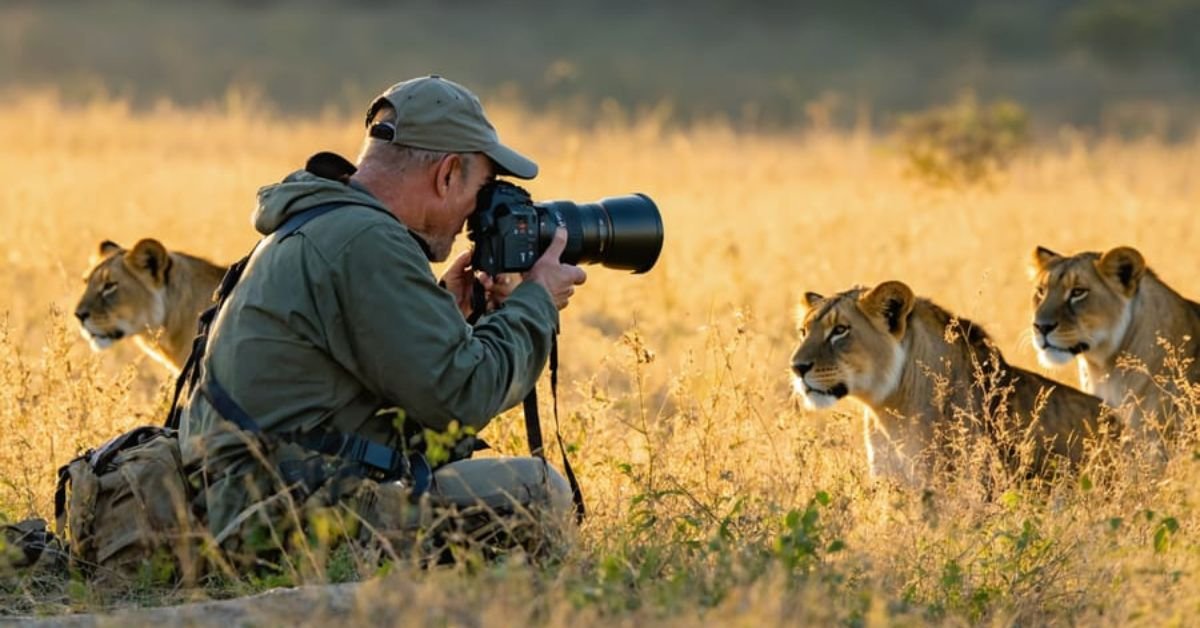
Have you ever seen a photo of a lion mid-roar or a bear catching a fish and wondered how the photographer got so close? Most of these shots come from wildlife photography tours. These trips take photographers straight to nature’s best stages. You don’t need to plan routes or guess where animals hide. Guides handle all of that for you.
Wildlife photography tours have grown fast in recent years. More people want to travel with a purpose. They want to bring home real memories, not just souvenirs. A camera lets you hold onto a moment forever.
This article walks you through everything about wildlife photography tours. You will learn what they are, why they matter, and how to choose the right one for your next trip.
What Are Wildlife Photography Tours
A wildlife photography tour is a guided trip built around animals and nature. Unlike a normal safari or vacation, these tours focus fully on photography. Guides know the best light, the best angles, and the best times of day to shoot. They also know animal behavior. This helps you predict movement before it happens.
Most tours travel in small groups. Some allow only six to eight people. This keeps the experience calm and personal. Big crowds scare animals away and ruin shots. Small groups also mean guides can give one-on-one tips. Beginners and experts often join the same trip since guides adjust advice for each skill level.
These tours run in many places around the world. Africa remains the top choice for lion, elephant, and leopard photography. The Arctic draws photographers who want polar bears and icy landscapes. South America offers jaguars in the Pantanal wetlands of Brazil. Every region has its own charm and challenge.
Why Join a Wildlife Photography Tour
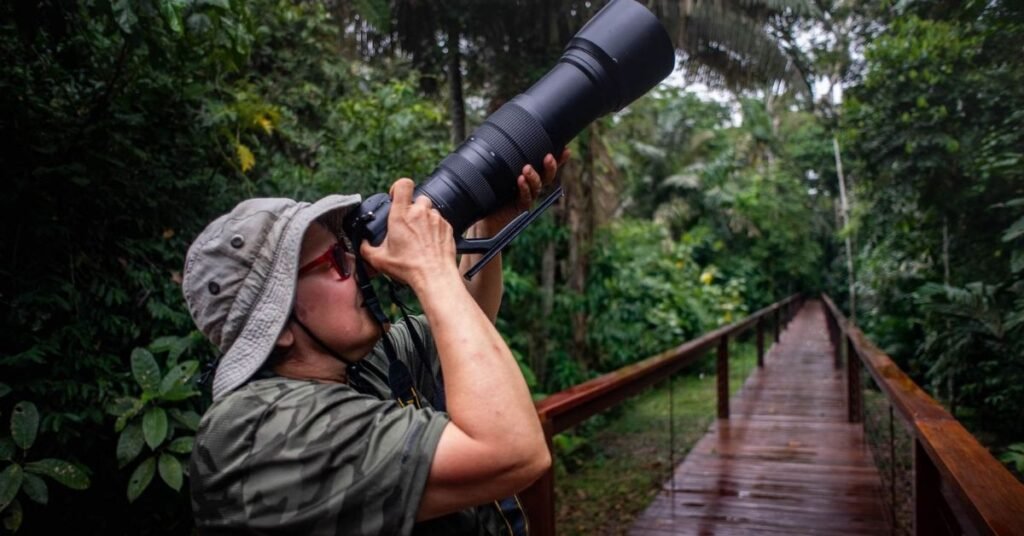
Many photographers try solo trips first. They soon learn that finding wildlife without help wastes time. A wildlife photography tour solves this problem completely. Local guides already know animal patterns. They know where herds gather at sunrise and where predators rest at noon.
Tours also boost your safety. Wild animals are unpredictable. Trained guides read warning signs before danger builds. They keep vehicles and groups at a safe yet close distance. This balance is hard to manage alone, especially in remote areas.
Another reason to join a tour is skill growth. Guides teach camera settings suited to fast wildlife movement. They explain how to handle harsh light or fading dusk colors. Over one trip, a photographer often learns more than months of solo practice.
Tours also build community. Many people return from these trips with new friendships. Shared excitement over a rare sighting creates strong bonds. Photographers swap tips, gear ideas, and even edited photos after the trip ends.
Best Destinations for Wildlife Photography Tours
Picking the right place matters as much as picking the right guide. Some places suit beginners with easy access and short travel days. Others test even skilled photographers with harsh terrain and long hours.
The table below shows a few popular choices along with their standout subjects.
| Destination | Best Wildlife Subjects | Best Season |
| Kenya & Tanzania | Lions, elephants, and wildebeest migration | July to October |
| Brazil’s Pantanal | Jaguars, caimans, macaws | June to September |
| Svalbard, Norway | Polar bears, walruses, seabirds | May to September |
| Yellowstone, USA | Bison, wolves, bears, elk | December to March |
| Galápagos Islands | Sea lions, giant tortoises, iguanas | June to December |
| Madagascar | Lemurs, chameleons, and unique birds | October to November |
Each region asks for different gear and stamina. Africa often means long game drives in open vehicles. The Arctic demands warm clothing and boat travel. Choosing based on season and subject helps you get the best results from your trip.
How to Choose the Right Wildlife Photography Tour
Not every tour suits every photographer. Some trips focus on birds, others on big mammals. Some last three days, others three weeks. Before booking, think about your comfort level with travel and rough terrain.
Group size matters a lot. Smaller groups give more time near animals and more guided attention. Larger groups may cost less but offer less personal support. Check how many photographers join each trip before booking.
Look closely at the guide’s background, too. A wildlife photography tour led by an experienced photographer teaches far more than one led by a general travel guide. Read past traveler reviews. Real feedback shows how helpful and patient a guide truly is.
Budget plays a role as well. Luxury camps cost more but offer comfort after long shooting days. Budget tours save money but may mean basic lodges. Decide what balance suits your travel style.
Lastly, check the gear policy. Many tours welcome any camera, even smartphones or bridge cameras. Others expect telephoto lenses for close wildlife shots. Confirm this early, so you pack the right equipment.
Read for more information: https://wildtrailsapp.com/south-africa-wildlife-safari/
Essential Gear for Wildlife Photography Tours
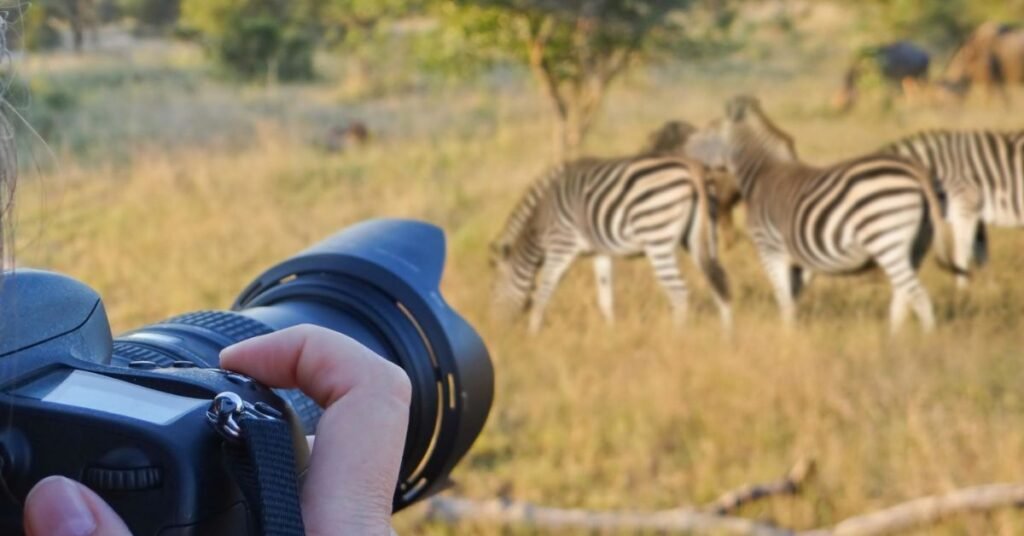
Good gear supports good photography, but it does not replace skill. Still, certain tools make wildlife shots much easier to capture. A telephoto lens ranks as the top priority. Animals rarely let you walk close, so a 300mm or longer lens helps you fill the frame safely.
A sturdy camera body matters too. Wildlife moves fast, so quick autofocus and high burst speed save many missed moments. Weather-sealed bodies also protect against dust, rain, and cold on rough trips.
Extra batteries and memory cards are must-haves. Cold climates drain batteries fast, and long game drives fill memory cards quickly. Carry more than you think you need.
A beanbag or monopod steadies shots inside vehicles or boats. Tripods often prove too bulky for tight jeep spaces. Clothing also matters. Neutral colors like green, brown, or khaki blend into nature and avoid startling animals.
Lastly, bring rain covers and dust protection for your gear. Weather shifts fast in wild places, and unprotected cameras suffer quickly.
Tips to Get Better Wildlife Shots
Even with the best gear, technique makes the real difference. Patience ranks as the most important skill. Wildlife rarely performs on command. Waiting quietly often rewards photographers with rare behavior shots.
Learn to predict movement. Watch body language before an animal jumps, flies, or charges. This lets you press the shutter at the right split second. Guides often share these cues, so listen closely during briefings.
Focus on the eyes. Sharp eyes make any wildlife photo feel alive. Even if the rest of the image blurs slightly, sharp eyes hold the viewer’s attention.
Shoot during golden hours. Early morning and late afternoon light add warm tones and soft shadows. Midday sun often creates harsh, flat images.
Finally, respect the animals. Never disturb their space for a better shot. Ethical photography protects wildlife and keeps future generations able to enjoy these same moments.
Common Challenges During Wildlife Photography Tours
Wildlife photography tours bring excitement, but they also test patience and endurance. Weather changes fast in wild places. Rain, wind, or sudden cold can disrupt a planned shoot. Packing proper gear reduces this risk but cannot remove it fully.
Long hours in vehicles or boats also tire many travelers. Wildlife often appears at dawn or dusk, so early starts and late returns become normal. Physical stamina helps you enjoy these long days without exhaustion.
Unpredictable animal behavior adds another challenge. Some days bring incredible sightings. Other days offer little activity. Patience and a positive mindset help photographers handle quiet stretches without frustration.
Technical struggles also appear often. Fast-moving subjects challenge autofocus systems. Low light at dawn tests camera settings. Practicing before the trip builds confidence for these real moments.
Despite these challenges, most photographers describe wildlife tours as life-changing. The reward of capturing a rare, perfect shot outweighs the difficulties faced along the way.
Conclusion
Wildlife photography tours open a door to nature’s most powerful moments. They combine adventure, skill-building, and unforgettable memories in one journey. Choosing the right destination, guide, and gear shapes how much you enjoy and learn from the trip.
Whether you dream of lions in Africa or polar bears in the Arctic, a well-planned tour brings that dream closer to reality. Patience, respect for animals, and steady practice turn any traveler into a stronger photographer. If you love nature and photography, a wildlife photography tour might be the best trip you ever take.
FAQs
Do I need expensive gear to join a wildlife photography tour?
No, many tours welcome beginners with basic cameras or even smartphones. Skill and patience often matter more than expensive equipment.
What is the best season for wildlife photography tours?
It depends on the destination. Africa suits July to October for migration season, while the Arctic works best from May to September.
How long do wildlife photography tours usually last?
Most tours run between five and fourteen days, though some short trips last only two or three days.
Are wildlife photography tours safe for beginners?
Yes, trained guides manage safety carefully. They know animal behavior and keep safe distances during every sighting.
Can I travel solo on a wildlife photography tour?
Yes, many tours welcome solo travelers and group you with other photographers who share the same interest.