A South African wildlife safari offers one of the richest wildlife experiences on earth. The country blends vast savannas, thick bushveld, and coastal reserves into one unforgettable journey.
Travelers come here to see lions resting under trees, elephants crossing dusty roads, and rhinos grazing near waterholes. Every safari feels personal because no two game drives ever look the same.
South Africa suits every type of traveler. Families enjoy malaria-free reserves. Adventure seekers love self-drive routes through massive parks. Luxury travelers book private lodges with world-class chefs and guides.
This guide walks you through everything you need to know before booking your own South Africa wildlife safari, including the best parks, animals, seasons, and costs.
Why Choose a South African Wildlife Safari
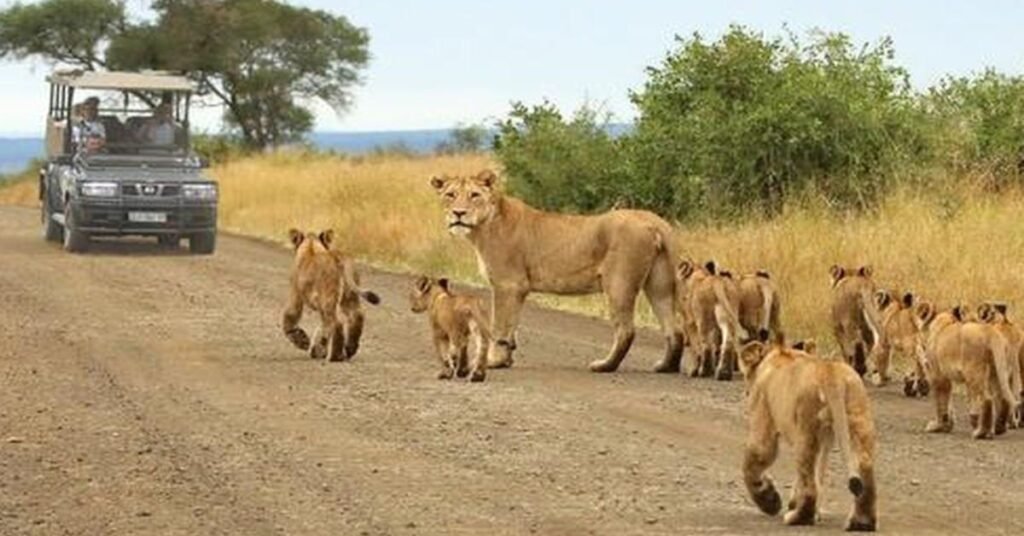
South Africa stands out because it combines incredible biodiversity with strong infrastructure. Roads are well maintained. Airports connect easily to major reserves. Lodges range from budget rest camps to five-star suites. This makes the country ideal for first-time safari travelers and seasoned explorers alike.
The landscapes change dramatically across regions. You can watch elephants roam through Kruger National Park, then drive a few hours to see whales along the coast. Few countries offer this level of variety in one trip.
Wildlife density also sets South Africa apart. Kruger alone holds an estimated 2,000 lions, 17,000 elephants, and thousands of buffalo across its vast terrain. Private reserves bordering the park add even more opportunities, since guides there can drive off-road and get closer to animals safely.
A South African wildlife safari also supports conservation. Many reserves fund anti-poaching units and community projects through tourism income. Choosing this destination means your trip directly helps protect endangered species like rhinos and wild dogs.
Best Parks for a South African Wildlife Safari
Choosing the right park shapes your entire trip. Some parks suit self-drive adventures, while others offer guided luxury experiences. The table below highlights popular choices.
| Park or Reserve | Region | Known For |
| Kruger National Park | Limpopo & Mpumalanga | Big Five, huge size, self-drive friendly |
| Sabi Sands Game Reserve | Greater Kruger | Leopard sightings, luxury lodges |
| Addo Elephant National Park | Eastern Cape | Large elephant herds, malaria-free |
| Pilanesberg National Park | North West | Family-friendly, close to Johannesburg |
| Hluhluwe-iMfolozi Park | KwaZulu-Natal | The oldest reserve in Africa, the rhino population |
Kruger National Park remains the most famous stop on any South African wildlife safari. It spans nearly two million hectares and connects with private reserves like Sabi Sands and Timbavati. Sabi Sands shares an open border with Kruger, so animals move freely between them, giving visitors incredible big cat sightings.
Travelers who want a malaria-free trip often choose Addo Elephant National Park or Pilanesberg, both easy to reach and perfect for families with young children.
The Big Five and Other Animals You Can See
Most visitors plan their South Africa wildlife safari around spotting the Big Five. This famous group includes lion, elephant, buffalo, leopard, and rhino. Hunters once used this term to describe the hardest animals to track on foot. Today it simply marks the top sightings every traveler hopes to check off.
Beyond the Big Five, South Africa’s parks host giraffes, zebras, hippos, cheetahs, and African wild dogs. Birdwatchers enjoy the trip too, since parks like Kruger hold over 500 recorded bird species.
| Animal | Best Park to Spot It |
| Lion | Kruger National Park |
| Leopard | Sabi Sands Game Reserve |
| Elephant | Addo Elephant National Park |
| White Rhino | Hluhluwe-iMfolozi Park |
| African Wild Dog | Greater Kruger reserves |
Rhino sightings deserve special mention. South Africa holds the majority of the world’s remaining white rhino population. Despite poaching threats, dedicated rangers protect these animals, and travelers still enjoy strong odds of seeing them in the wild.
Night drives add another layer to wildlife viewing. Nocturnal animals like hyenas, genets, and owls only appear once the sun sets, making evening safaris a highlight for many guests.
Read for more info: https://wildtrailsapp.com/tanzania-safari-cost/
Best Time to Plan a South Africa Wildlife Safari
Timing changes everything about a South African wildlife safari. The dry winter season, running from May to September, gives the clearest views. Vegetation thins out, and animals gather near rivers and waterholes, making them easier to spot.
Summer months bring lush green landscapes and newborn animals, but thicker bush can make sightings harder. Birdwatchers actually prefer this season, since migratory species arrive in large numbers.
| Season | Months | Highlights |
| Dry Winter | May–September | Best game viewing, cooler weather |
| Green Summer | November–April | Newborn animals, lush scenery, birdlife |
| Whale Season | June–November | Whale watching near Hermanus |
Mornings and evenings stay cold during winter, especially in the Lowveld region near Kruger. Pack warm layers even if you expect African heat. Afternoons still climb comfortably, so light clothing works well once the sun rises.
If whale watching interests you, plan your South Africa wildlife safari to overlap with the Hermanus season between June and November, when southern right whales pass close to shore.
Types of Safari Experiences in South Africa
Not every South African wildlife safari looks the same. Some travelers prefer guided game drives with expert rangers, while others enjoy self-drive routes through national parks. Kruger allows both options, giving flexibility depending on your comfort level and budget.
Walking safaris offer a slower, more intimate experience. Armed guides lead small groups through the bush, teaching guests to read animal tracks and understand plant life up close. This option suits travelers who want to learn rather than just observe from a vehicle.
Private reserves like Sabi Sands and Timbavati add night drives and off-road tracking, since vehicles there aren’t restricted to marked roads. This often leads to closer encounters with big cats resting under bushes.
Luxury lodges elevate the entire trip with gourmet meals, spa treatments, and private guides. Budget travelers can still enjoy excellent sightings by staying in national park rest camps, which cost far less while offering the same wildlife access.
Combining safari days with other activities works well too. Many trips pair a few days in Kruger with time in Cape Town, the Garden Route, or the Winelands, creating a well-rounded South African holiday.
How Much Does a South African Wildlife Safari Cost

Budget plays a major role in planning any South African wildlife safari. Costs vary widely depending on location, season, and accommodation style. National park rest camps offer the most affordable option, while private luxury reserves sit at the premium end.
| Safari Style | Estimated Cost Per Person, Per Night |
| Budget rest camp (Kruger) | Low, affordable range |
| Mid-range private lodge | Moderate pricing |
| Luxury private reserve (Sabi Sands, Timbavati) | Premium pricing |
Multi-day guided tours often start from a set package price covering accommodation, meals, and game drives. Prices rise during peak dry season months and drop slightly during the quieter summer period.
Flights, park entry fees, and optional activities like hot air balloon rides or bush walks add to the total cost. Booking through a reputable safari operator often includes transfers and expert guiding, which simplifies planning for first-time visitors.
Travelers on a tighter budget can still enjoy a rewarding South Africa wildlife safari by self-driving through Kruger and staying at government-run rest camps, which offer excellent value without sacrificing wildlife access.
Tips for Planning Your South Africa Wildlife Safari
Good preparation makes a huge difference on any South African wildlife safari. Start by deciding whether you prefer a malaria-free reserve or the classic Lowveld parks like Kruger, which carry some malaria risk, particularly in the summer months.
Pack neutral-colored clothing, since bright colors can startle wildlife during game drives. Bring binoculars, a good camera, and sunscreen, since the South African sun feels stronger than most visitors expect.
Book accommodation early if traveling during the dry season, since popular lodges fill up months in advance. Confirm whether your chosen lodge requires anti-malarial medication and check with a doctor before your trip if needed.
Respect the guides during every drive. Rangers understand animal behavior far better than visitors, and following their instructions keeps everyone safe. Avoid loud noises and sudden movements near wildlife, since calm behavior leads to better, longer sightings.
Finally, build flexibility into your itinerary. Weather and animal movement can shift plans slightly, and the best safari moments often happen unexpectedly.
Malaria-Free Options for Families
Families traveling with young children often search for a malaria-free South Africa wildlife safari. Reserves in the Eastern Cape, such as Addo Elephant National Park, Amakhala, and Shamwari, offer full Big Five sightings without malaria risk.
Pilanesberg National Park, located close to Johannesburg, also provides a malaria-free option ideal for shorter trips or weekend getaways. This makes it popular among South African families and international visitors with limited time.
These reserves prove that skipping malaria precautions doesn’t mean skipping great wildlife. Visitors still spot lions, elephants, and rhinos while avoiding the extra planning that anti-malarial medication requires.
Conclusion
A South African wildlife safari delivers unmatched variety, from the vast plains of Kruger to the intimate luxury of Sabi Sands. Whether you travel with family, as a couple, or solo, the country offers a safari style that fits your budget and comfort level.
Plan around the dry winter season for the clearest sightings, choose a malaria-free reserve if traveling with children, and always book trusted guides who respect the wildlife and land. With careful planning, your safari can become the trip of a lifetime, filled with memories that stay long after you return home.
Frequently Asked Questions
What is the best time for a South African wildlife safari?
The dry winter season between May and September offers the clearest views, since animals gather near water sources and vegetation thins out.
Which South African park is best for first-time visitors?
Kruger National Park suits first-time travelers well because of its size, accessibility, and strong wildlife populations across the Big Five.
Is a South African wildlife safari safe for children?
Yes, malaria-free reserves like Addo Elephant National Park and Pilanesberg offer safe, family-friendly options without the need for anti-malarial medication.
How much does a typical safari cost in South Africa?
Costs vary from affordable national park rest camps to premium private reserves, so budgets can be adjusted based on lodge choice and season.
Can I see the Big Five on one safari trip?
Yes, parks like Kruger and Sabi Sands offer strong chances of spotting all five animals, especially during multi-day stays in the dry season.