Introduction: The Ocean’s Most Powerful Animal
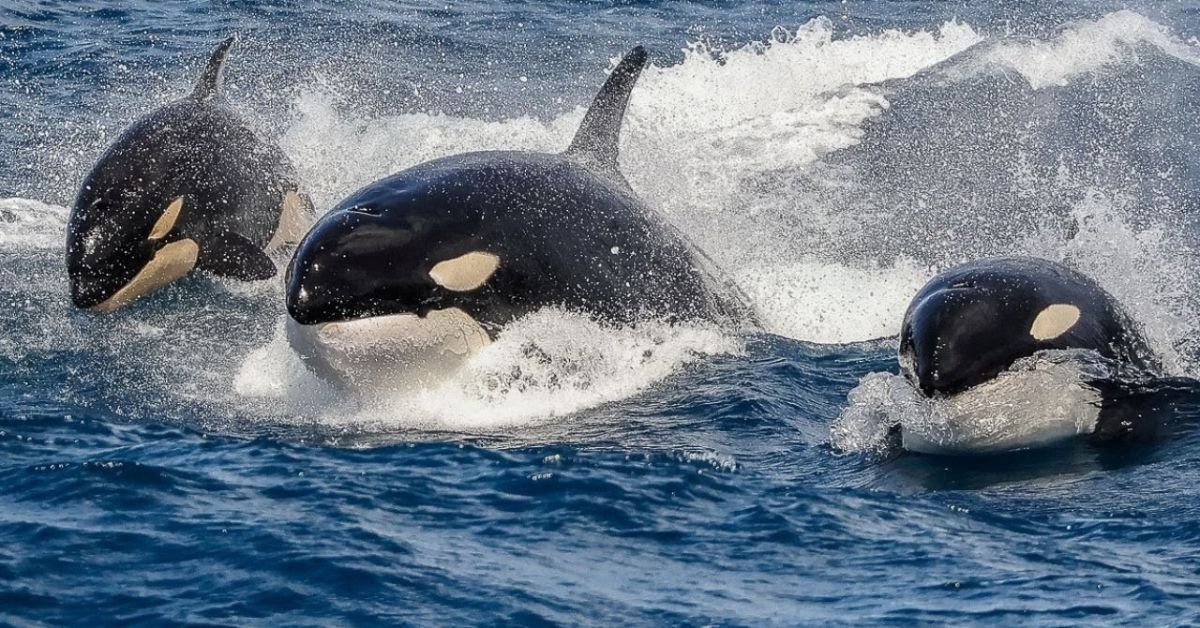
The orca, also known as the killer whale, is one of the most impressive animals on Earth. It sits at the very top of the ocean food chain. No other animal naturally hunts an orca in the wild. That makes the orca an apex predator — the highest rank any animal can hold in its ecosystem.
But even though orcas have no natural predators, they still face threats. Other marine animals can challenge them. Humans cause harm through pollution, fishing nets, and noise. And within their own ocean world, orcas sometimes clash over food or territory.
So how do orcas defend themselves when danger comes? The answer lies in a powerful mix of physical strength, high intelligence, tight family bonds, and sharp senses. Orcas do not rely on just one defense. They use many strategies together — and that is what makes them so effective.
In this article, we will explore every key way that orcas protect themselves and their pods. We will look at their body, their brain, their social life, and the threats they still face today.
What Makes Orcas So Difficult to Threaten?
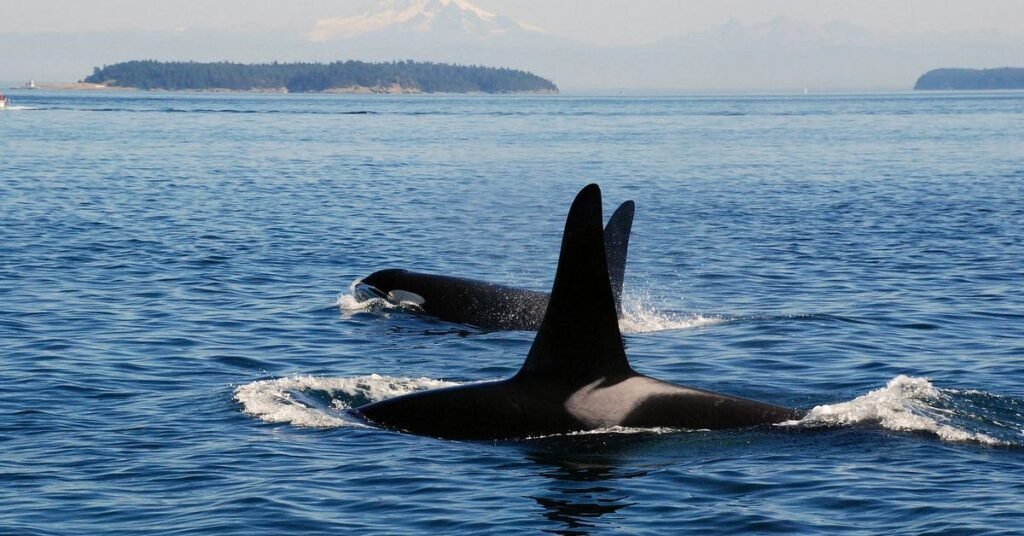
Before diving into specific defense tactics, it helps to understand why orcas are so hard to threaten in the first place. Size alone is a major factor. An adult orca can weigh between 6,000 and 11,000 pounds. They can grow up to 20 to 30 feet in length. That is roughly the size of a large school bus.
Orcas’ powerful jaws and sharp teeth are designed to hold and tear prey, giving them a natural defense if confronted. Their muscular, streamlined bodies allow them to move quickly and maneuver with precision. This combination of size and agility makes them very hard to threaten or overpower.
Beyond their body, orcas also have extraordinary intelligence. They solve problems. They plan hunts. They teach younger members of their pod new skills. This brain power carries over directly into how orcas defend themselves against danger.
| Feature | Details |
| Average Weight | 6,000 – 11,000 lbs |
| Average Length | 20 – 30 feet |
| Top Speed | Up to 34 mph |
| Brain Size | Among the largest of any ocean animal |
| Social Structure | Tight family pods (matrilineal) |
How Do Orcas Defend Themselves Through Pod Unity?
One of the strongest ways orcas defend themselves is by staying together as a group. Orcas live in family units called pods. A pod can have just a few members or grow to dozens of individuals. These bonds are not casual. They are deep, lifelong connections.
Pod unity is central to orca defense. Different members of the pod, especially mature orcas, often take responsibility for protecting younger or more vulnerable individuals. When a threat appears, the pod does not scatter. Instead, it forms a tight, coordinated unit.
Knowledge is passed down through generations, with behaviors specific to each pod, similar to what we consider culture. Some of these family units remain together their entire lives, always within hearing distance of one another.
When danger arises, orcas position the most vulnerable members — calves and young orcas — in the center of the group. The larger, stronger adults surround them on the outside. This living shield makes it extremely hard for any outside threat to reach the young ones. The group also moves together, which creates a wall of strength that most threats will not dare challenge.
This teamwork is one of the most powerful defense tools orcas have. It is not instinct alone. Orcas learn these behaviors from their elders, and the knowledge passes from one generation to the next.
How Orcas Use Their Size and Strength to Defend Themselves
When orcas need to go beyond just grouping together, their raw physical power becomes their defense. An orca’s body is built for both speed and force. They can swim at up to 34 miles per hour, making it nearly impossible for most animals to chase them or escape them.
Orcas use their size and strength to intimidate or, if necessary, fight off potential threats. Their muscular build gives them strong, streamlined bodies that allow them to move quickly and maneuver with precision.
Their tail flukes are especially powerful. A single strike from an orca’s tail can deliver enormous force. This is not just useful in hunting — it serves as a direct physical defense. An orca that feels cornered or threatened can use its tail to deliver a powerful blow to any aggressor.
Their teeth are another major weapon. Orca teeth are large, cone-shaped, and interlocking. They are designed to grip and tear. An orca can use its bite as both a hunting tool and a defensive weapon when needed. Combined with their speed, these physical tools make orcas incredibly hard to challenge in open water.
Echolocation: How Orcas Detect Threats Early
One of the most fascinating ways orcas defend themselves is through a built-in biological system called echolocation. This is essentially a natural sonar. Orcas produce high-frequency sound pulses that travel through the water and bounce off objects. The returning echoes tell the orca exactly where something is, how big it is, how fast it moves, and even its shape.
Echolocation provides an early warning system by detecting unusual objects or disturbances in the water ahead — allowing orcas to avoid hazards or respond defensively when threatened.
Through a combination of specialized anatomical features like phonic lips and melon structures, along with advanced neural processing capabilities, orcas produce and interpret intricate soundscapes that guide their movements.
This means orcas can detect a threat long before it gets close. They can sense a large animal approaching from a great distance. They can also communicate through these sounds, alerting the rest of the pod immediately. Early detection is one of the best defenses any animal can have, and orcas have mastered it.
Echolocation is not just for hunting. It is a constant awareness tool that keeps the entire pod informed and safe at all times, even in dark, murky ocean waters.
How Orcas Communicate to Protect Each Other
Closely linked to echolocation is vocal communication. Orcas are among the most vocal animals on the planet. They use a rich language of clicks, whistles, and calls to stay in touch with each other across long distances.
Each pod has its own unique dialect. Orcas use a complex system of echolocation to navigate their surroundings, bouncing high-pitched sounds off objects and listening for the returning echoes. Their calls and whistles are distinct amongst specific populations.
This unique dialect is important for defense. When an orca hears its pod’s specific calls, it knows immediately who is nearby and whether they are in distress. A distress call from one orca can bring the entire pod together within moments. The speed of this communication system means orcas can coordinate a group defense very quickly.
Orcas produce various types of clicks and pulsed calls that can relay information about location, identity, or even emotional states. In some cases, echolocation clicks are interspersed with other vocalizations to maintain contact between pod members while moving through murky waters or during coordinated activities.
This language system acts like a real-time communication network. It keeps every member of the pod aware and connected, which is essential for group defense.
Intelligence and Strategy: The Orca’s Biggest Advantage
Perhaps the most powerful defense the orca has is its intelligence. Orcas are among the smartest animals on Earth. They plan. They adapt. They learn from experience. And they pass that learning on to younger generations.
Orcas use sophisticated vocalizations to communicate and coordinate within their pods. Coordinated defense strategies within pods are devised, especially when threats arise. This is not random behavior. It is organized, thoughtful, and flexible.
Orcas also use a behavior called spy-hopping — lifting their heads above the water to look around and assess their environment. This gives them a view of the surface world that most ocean animals do not have. They can spot boats, changes in their environment, or other animals at the surface before any threat gets close.
Their intelligence also means orcas adapt quickly to new situations. If a hunting or defense strategy does not work, orcas change their approach. This flexibility makes them nearly impossible to outsmart in the wild.
| Defense Strategy | How It Works |
| Pod Formation | Vulnerable members shielded in the center |
| Echolocation | Detects threats from a distance |
| Vocal Communication | Instant alerts across the pod |
| Physical Strength | Tail strikes, biting, speed |
| Spy-Hopping | Surface scanning for threats |
| Intelligence | Adapting to new dangers quickly |
How Orcas Defend Their Young
Protecting calves is one of the highest priorities for any orca pod. Young orcas are curious and not yet fully developed in strength or awareness. This makes them more vulnerable, and the pod knows it.
Adult orcas, especially the mothers and other females, stay extremely close to calves at all times. Other pod females help care for the young, and orcas give birth to a single calf. The calf is never left alone. It always stays surrounded by experienced adults.
When a threat appears, the defensive circle forms immediately. Calves go to the middle. Strong adults face outward. If any aggressor tries to reach the calf, it must first go through a wall of powerful adult orcas — a nearly impossible task.
Pods of female sperm whales sometimes protect themselves by forming a protective circle around their calves with their flukes facing outwards, using them to repel attackers. Orcas use a similar strategy when protecting their own young, ensuring the safety of the next generation above all else.
Read for more info: https://wildtrailsapp.com/rhinos-in-california/
Threats That Orcas Cannot Easily Defend Against
While orcas are remarkably equipped to defend themselves against natural threats, human activity presents challenges they cannot easily overcome. These threats are invisible, widespread, and deeply damaging.
Chemical pollution is one of the biggest dangers. Several chronic pollutants have harmed marine life for decades. Since orcas are apex predators, they accumulate concentrations of contaminants when eating prey that have also ingested and accumulated chemicals. Over time, this burden of toxins increases and detrimentally affects the health of orcas, impairing their immune and reproductive systems.
Fishing nets and gear pose another serious risk. Even if hunters or fishers do not specifically target orcas, they could get trapped in nets or other types of gear. Trapped orcas will often exhaust themselves trying to break free and might even become injured or die.
Noise pollution is also a growing threat. Rumblings from fishing vessels, sonar and radar, and loud sounds from oil drilling and military posts can harm whales by cutting them off from food or each other. Since orcas depend so heavily on sound for navigation, communication, and defense, noise pollution directly damages one of their most important survival tools.
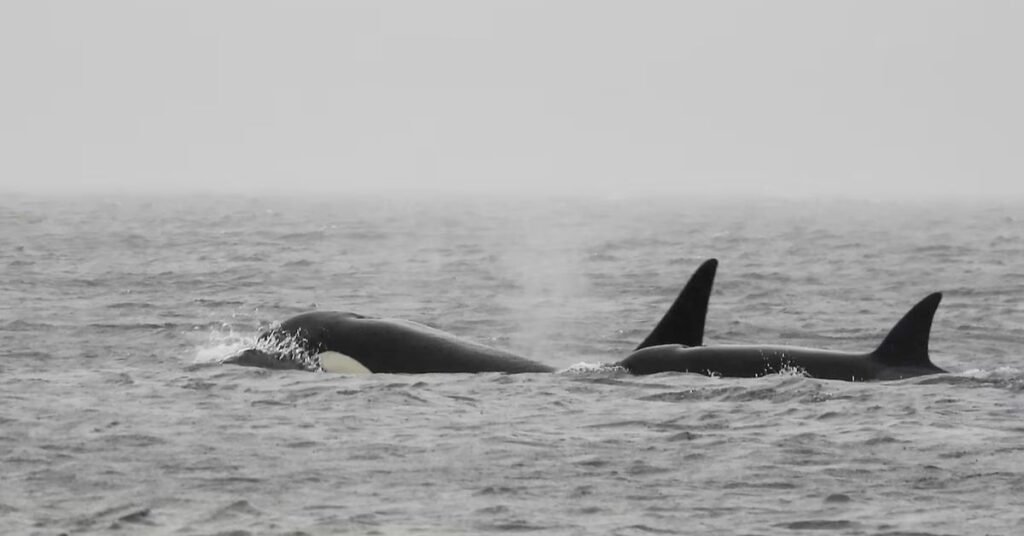
The Southern Resident killer whale population has continued to decline, with only 73 individuals remaining as of the July 2024 census. Primary stressors on the population include reduced prey availability and size, contaminants, disturbance from vessel noise and activity.
Conservation: Protecting Orcas from Human Threats
Since orcas cannot defend themselves against human-caused threats the same way they defend against natural ones, conservation efforts become critical. People around the world are working hard to protect orca populations.
Some local populations are threatened or endangered due to prey depletion, habitat loss, PCB pollution, capture for marine parks, and conflicts with fisheries. In late 2005, the Southern resident orcas were added to the U.S. Endangered Species list.
Governments and conservation groups push for cleaner oceans, sustainable fishing practices, and reduced boat noise near orca habitats. Individuals can help too — by reducing plastic use, supporting sustainable seafood choices, and staying informed about orca conservation.
The intelligence and social bonds of orcas make them deeply aware animals. Their defense systems are extraordinary. But they need our help to face the challenges that no amount of echolocation or pod formation can fix.
Conclusion: How Orcas Defend Themselves Is a Masterclass in Nature
Orcas defend themselves through a remarkable combination of physical power, group unity, early detection, vocal communication, and sharp intelligence. They are the ocean’s apex predators not just because of their strength, but because of how they work together and think.
Their pod structure keeps the young safe. Their echolocation keeps threats at a distance. Their communication keeps the group connected. And their intelligence keeps them always one step ahead.
Yet, despite all these natural gifts, orcas face growing threats from human activity. Pollution, fishing gear, and noise pollution damage the very systems on which orcas rely most. Understanding how orcas defend themselves is the first step toward appreciating and protecting them.
These incredible animals have spent millions of years perfecting their survival. The least we can do is make sure they have a clean, safe ocean to live in.
Frequently Asked Questions (FAQs)
Q1: Do orcas have any natural predators?
No. Orcas are apex predators, meaning no animal naturally hunts them in the wild. They sit at the very top of the ocean food chain. However, they still face threats from human activities like pollution and fishing.
Q2: How do orcas defend themselves against sharks?
Orcas are actually dominant over most sharks. They use their size, speed, and coordinated pod tactics to overpower sharks. Orcas have been observed targeting great white sharks and flipping them upside down, which causes a temporary paralysis called tonic immobility, allowing the orca to feed safely.
Q3: How do orcas protect their calves?
Adult orcas, especially females, keep calves in the center of the pod at all times. When a threat appears, the pod forms a protective circle with the calf in the middle and strong adults facing outward. Distress calls instantly bring the whole pod together.
Q4: Can orcas defend themselves against humans?
Orcas cannot easily defend against human threats like pollution, fishing nets, and noise. These invisible dangers damage their health, disrupt their communication, and reduce their food supply. While orcas are physically powerful, these man-made threats require human solutions, not orca ones.
Q5: Why is echolocation important to orca defense?
Echolocation acts as an early warning system. It allows orcas to detect threats from far away, even in dark or murky water. It also helps them communicate danger instantly across the pod. Without echolocation, orcas would be far more vulnerable to surprise threats in the deep ocean.