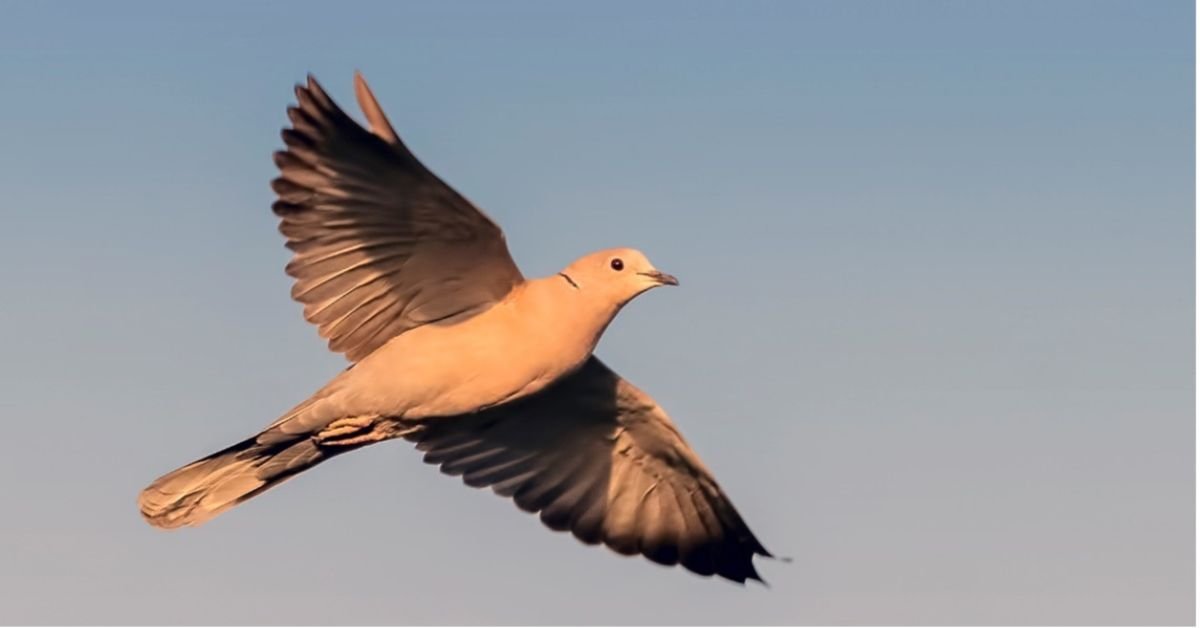
How Fast Can a Dove Fly? The Answer Will Surprise You
Most people think of doves as calm, gentle birds. They sit quietly on fence wires and coo softly in the morning. But do not let that peaceful look fool you. Doves are actually impressive fliers. When you ask how fast a dove can fly, the answer is much more exciting than most people expect.
A dove can fly at speeds between 40 and 55 miles per hour (mph) during normal flight. That is faster than most cars travel through a city street. When a dove needs to escape danger, it can push even harder and reach speeds above 60 mph. These birds are built for speed, and they use that speed every single day to stay alive.
Understanding how fast a dove can fly helps us appreciate these birds in a new way. Speed is not just a fun fact for them. It is a survival tool. In this article, we cover everything you need to know about dove flight speed — from average speeds to top speeds, body design, species comparisons, and much more.
What Is the Average Speed of a Dove in Flight?
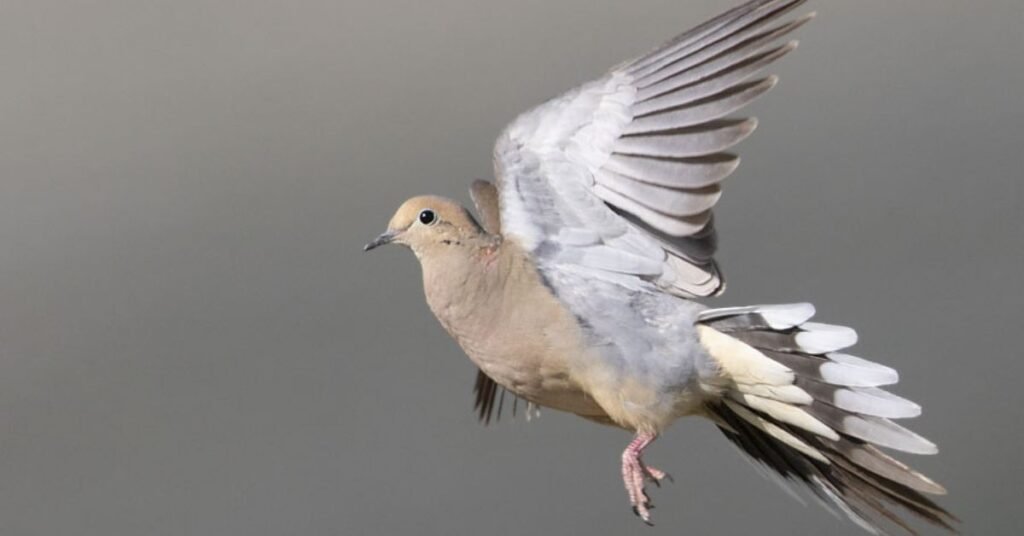
The average speed of a dove depends on what it is doing. During a calm, steady flight — such as moving from one field to another — a dove cruises at around 30 to 40 mph. This is its comfortable, energy-saving pace. It does not burn too much fuel at this speed, and it can keep going for a long time.
When the dove picks up the pace — say, during migration or when it wants to reach food quickly — it moves at 40 to 55 mph. This is the speed range that most bird experts report when they talk about how fast a dove can fly under normal conditions.
For a bird that weighs only a few ounces, this is truly remarkable. The mourning dove, which is the most common dove in North America, regularly flies at this range. The Minnesota Department of Natural Resources confirms that mourning doves travel at 30 to 40 mph during regular cruising but can push past 60 mph when they need to escape a threat.
So, the short answer is: the average dove flies at 40 to 55 mph, with bursts going well above that.
How Fast Can a Dove Fly at Top Speed?
When danger arrives, doves do not freeze. They explode into the air. A dove’s top speed can exceed 60 mph in short bursts. This burst of speed is mainly used to escape predators like hawks, falcons, and cats.
Adrenaline plays a big role here. When a dove senses a threat, its body kicks into high gear. The powerful chest muscles fire rapidly. The wings beat faster. The dove launches itself forward at full throttle.
This kind of speed is hard to maintain for long. It lasts only a minute or two before the dove needs to slow down. But in those seconds, it is often enough to escape a predator and reach cover safely.
Comparing this to everyday life, 60 mph is the speed limit on many highways. A dove flying at that speed is moving as fast as a car on an open road. That is an incredible feat for a small bird that weighs less than five ounces.
How Fast Can a Dove Fly? A Look at Different Species
Not all doves fly at the same speed. Different species have different body shapes, wing sizes, and muscle strength. Here is a clear comparison of how fast different dove species can fly:
| Dove Species | Typical Cruising Speed | Top Speed |
| Mourning Dove | 30–40 mph (48–64 km/h) | 55–60 mph (88–97 km/h) |
| Rock Dove (Pigeon) | 45 mph (72 km/h) | 60+ mph (97+ km/h) |
| White-Winged Dove | 40–55 mph (64–88 km/h) | 60 mph (97 km/h) |
| Eurasian Collared Dove | 35–50 mph (56–80 km/h) | 60 mph (97 km/h) |
| Common Ground Dove | 25–45 mph (40–72 km/h) | 55 mph (88 km/h) |
As you can see, most dove species can reach around 55 to 60 mph at their fastest. The rock dove, which is the common city pigeon, is one of the fastest of all. Racing pigeons — a breed of rock dove — have been recorded averaging 56 mph and even reaching over 80 mph in some cases.
Each species has adapted to its own environment. The mourning dove, for example, lives in open fields and woodland edges, where speed helps it avoid ground predators and hawks. The white-winged dove migrates across large distances, so its strong, sustained flight speed helps it cover hundreds of miles efficiently.
The Body Design That Makes Doves Fly So Fast
When you look at a dove, it does not look like a speed machine. It looks small and round. But its body hides several powerful design features that make high-speed flight possible. Understanding how fast a dove can fly starts with understanding how it is built.
Pointed, aerodynamic wings are the first key feature. The mourning dove has long, pointed wings that cut through the air with very little resistance. This shape reduces drag and allows the bird to slice forward at high speed without wasting energy. The wing shape looks almost like a falcon’s — built purely for performance.
Hollow bones are the second feature. Like all birds, doves have bones that are hollow inside. This keeps their body weight extremely low. A lighter body means less energy is needed to stay in the air and less drag to fight against. This is a huge advantage for speed.
Powerful breast muscles are the third key. The chest of a dove is packed with strong muscles. These muscles power the wings and allow the dove to flap up to 5 times per second. That rapid wingbeat is what gives the dove its ability to accelerate quickly from a standing start. These muscles can make up a large portion of the dove’s total body weight.
Together, these three features create a small bird that is built like a sports car. The design is not random. It is the result of thousands of years of natural selection.
What Affects How Fast a Dove Can Fly?
Several factors change how fast a dove can fly on any given day. Not every flight is the same, and several conditions push the speed up or bring it down.
Wind and Weather Conditions
Wind has a huge effect on dove flight speed. A strong tailwind pushes the dove forward and can significantly boost its ground speed. It can cover distances much faster and with less effort. On the other hand, a headwind forces the dove to fight against the air. It must use more energy just to maintain speed, and its pace slows down.
Rain, snow, and cold temperatures also slow doves down. Wet feathers add weight. Cold air is denser and harder to push through. On a clear, calm day with mild temperatures, doves fly fastest and most efficiently.
Age and Health
A young, healthy dove with strong muscles and full energy reserves flies much faster than an older or injured bird. Malnourished doves may struggle to reach their normal top speeds because they simply do not have the fuel to power their muscles. Illness and injury reduce muscle strength and stamina, leading to slower flight.
Distance and Purpose of Flight
The reason a dove is flying also affects its speed. A dove foraging for seeds nearby cruises at a relaxed, moderate pace. A dove migrating hundreds of miles settles into a steady, energy-efficient speed. But a dove escaping a hawk flies at full speed, pushing every muscle to its limit.
How Does a Dove’s Flight Speed Compare to Other Birds?
Now that we know how fast a dove can fly, it is interesting to see where it stands among other birds. Most people assume small birds are slow. But doves actually sit on the faster end of the scale for birds of their size.
| Bird | Average Speed | Top Speed |
| Mourning Dove | 40–55 mph | 60+ mph |
| House Sparrow | 15–20 mph | 30 mph |
| European Starling | 40–50 mph | 55 mph |
| American Robin | 17–32 mph | 35 mph |
| Peregrine Falcon | 40–60 mph | 240 mph (dive) |
| Bald Eagle | 35–40 mph | 100 mph (dive) |
| Common Swift | 65–70 mph | 105 mph |
The mourning dove is one of the fastest backyard birds in North America. Most birds fly at around 25 mph. The dove nearly doubles that at its cruising speed. It flies faster than sparrows and robins and matches the starling closely.
Of course, the peregrine falcon is in a different league entirely. It can dive at over 200 mph, making it the fastest animal on Earth. But for a small, seed-eating bird that most people overlook, the dove holds its own very impressively.
How a Dove Uses Its Speed Every Day
Speed is not just for emergencies. Doves use their flight ability in several important ways every single day.
Escaping Predators
This is the most obvious use of speed for doves. Hawks, falcons, cats, and even large snakes pose threats. When a dove senses danger, it launches into the air immediately. It does not just fly fast in a straight line — it also twists and turns mid-flight to confuse attackers. This combination of speed and agility makes it very hard for a predator to catch a healthy dove.
When a dove takes off quickly, you often hear a sharp whistling or whirring sound from its wings. Scientists believe this sound acts as an alarm signal to other doves nearby, warning them that a predator is close. It is not a sound the dove makes with its throat — it comes purely from the wing feathers.
Migrating Long Distances
Mourning doves are migratory birds. They travel hundreds or even thousands of miles each year. They migrate twice — once in spring and once in fall. During migration, they travel in large flocks at low altitudes. They use a steady cruising speed to conserve energy over these long journeys.
Speed during migration is about balance. Flying too fast burns too much energy. Flying too slowly means the journey takes too long. Doves find the sweet spot and maintain it over hundreds of miles.
Mating and Territory Displays
During breeding season, male doves perform high-speed flight displays to impress females and warn rival males. These aerial shows involve fast, high flights followed by a fluttering descent. The speed and agility shown in these displays signal to other birds that the male is strong and healthy.
Interesting Facts About Dove Flight
Here are some surprising facts about how fast a dove can fly and how it moves through the air:
Doves beat their wings up to 5 times per second. This rapid wingbeat is what gives them their quick acceleration. Most larger birds flap much more slowly.
A dove’s flight is described as fast and bullet-straight. They do not drift or circle lazily. They take off in one direction and go. This direct flight path is another sign of their speed-focused design.
The whistling sound you hear at takeoff is not a call — it is the wings. The feathers vibrate at high speed and create that sharp sound, which also acts as a warning signal to other doves.
Doves drink water faster than almost any other bird. They can suck up their full daily water requirement in under 20 seconds. This same efficiency carries into their flight behavior — everything about a dove is quick and precise.
Racing pigeons, which are a type of rock dove, have broken speed records. Some have been clocked at over 80 mph over short distances. They are among the fastest sustained fliers in the bird world.
Read for more info: https://wildtrailsapp.com/sea-spider-bite/
How Fast Can a Dove Fly During Migration?
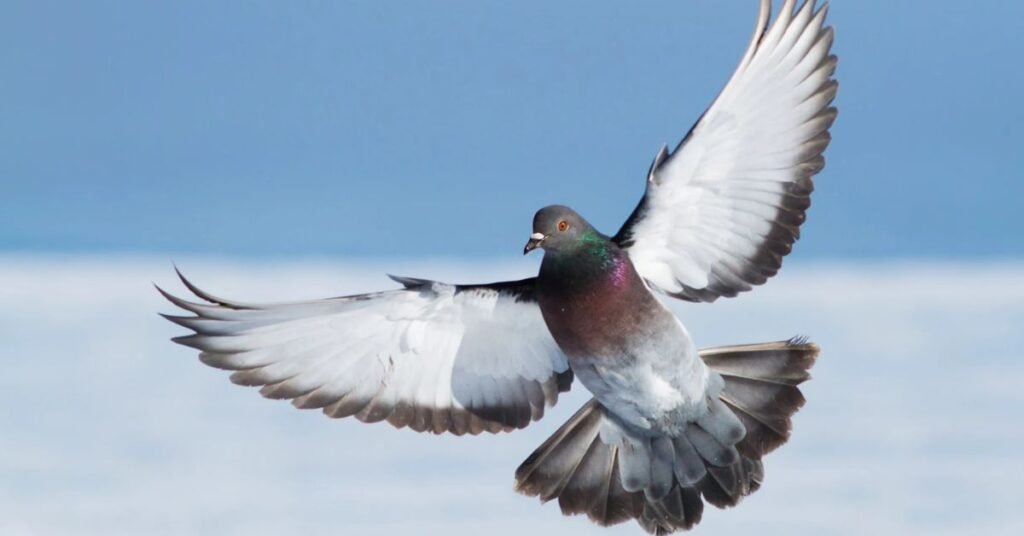
Migration is one of the most demanding activities a bird can do. Flying hundreds of miles over several days requires a careful balance of speed and endurance. When people ask how fast a dove can fly during migration, the answer is different from its sprint speed.
During migration, mourning doves typically cruise at around 30 to 40 mph. This is slower than their top speed but much more sustainable. They travel in large flocks, which also helps — flying in a group reduces wind resistance for birds in the middle and back of the flock.
They make regular stops to rest and feed. Young birds migrate first in the fall, followed by females, then males. This staggered pattern helps spread out the pressure on food and resting areas along the migration route.
Over a full migration season, a mourning dove can travel well over 1,000 miles. Its ability to maintain a steady, efficient cruising speed is what makes these long journeys possible.
Why Dove Speed Matters for Hunters and Bird Watchers
Understanding how fast a dove can fly is not just interesting — it has real practical value.
For dove hunters, speed is one of the biggest challenges. A mourning dove flying at 40 to 55 mph presents a fast-moving, unpredictable target. The dove also changes direction suddenly, making it even harder to track. Experienced hunters always account for the dove’s speed and flight path before taking a shot.
For bird watchers, knowing a dove’s speed helps explain its behavior. That sudden burst off the fence wire, that whistling sound at takeoff, that arrow-straight flight across the field — all of it makes sense when you understand how the dove is designed to fly.
For wildlife lovers and nature enthusiasts, dove speed is simply a reminder that the natural world is full of hidden wonders. A bird that looks calm and gentle at the feeder is actually one of the fastest small birds on the planet.
Conclusion: How Fast Can a Dove Fly?
Doves are much faster than most people expect. The answer to how fast a dove can fly is both simple and impressive. A dove typically flies at 40 to 55 mph during normal flight. It can push past 60 mph when escaping danger. Different species vary slightly, but most doves sit in this same speed range.
Their speed comes from a powerful combination of pointed wings, hollow bones, and strong chest muscles. Weather, age, health, and purpose all influence how fast a dove flies on any given day. Among backyard birds, the dove stands out as one of the fastest.
The next time you see a dove take off from your yard and disappear in the blink of an eye, you will know exactly what just happened. That little bird just went from zero to over 40 mph in seconds. That is not just a bird taking flight — that is a tiny speed machine doing what it was born to do.
Frequently Asked Questions (FAQs)
Q1: How fast can a mourning dove fly?
A mourning dove can fly between 40 and 55 mph during normal flight. When escaping a predator, it can push past 60 mph in short bursts. The Minnesota Department of Natural Resources confirms mourning doves cruise at 30 to 40 mph but can exceed 60 mph when needed.
Q2: Is a dove faster than a pigeon?
Rock doves (pigeons) and mourning doves fly at very similar speeds. Both cruise around 40 to 55 mph. However, rock doves — especially racing pigeons — can reach over 60 mph and have been recorded at more than 80 mph, making them slightly faster than typical mourning doves.
Q3: What is the fastest dove species?
The rock dove, or common pigeon, is among the fastest dove species. Racing pigeons bred from rock doves have been clocked at over 80 mph. Among wild doves, the white-winged dove and Eurasian collared dove can also reach around 60 mph at top speed.
Q4: Why do doves fly so fast?
Doves fly fast mainly for survival. Speed helps them escape predators like hawks and falcons. It also helps them cover large distances during migration. Strong chest muscles, pointed wings, and hollow bones all work together to give doves their impressive speed.
Q5: Can a dove fly faster than a car?
Yes, at top speed, a dove can fly faster than cars traveling through neighborhoods or city streets. A dove’s burst speed of over 60 mph matches highway speed limits. During normal cruising at 40 to 55 mph, it still outpaces city traffic with ease.