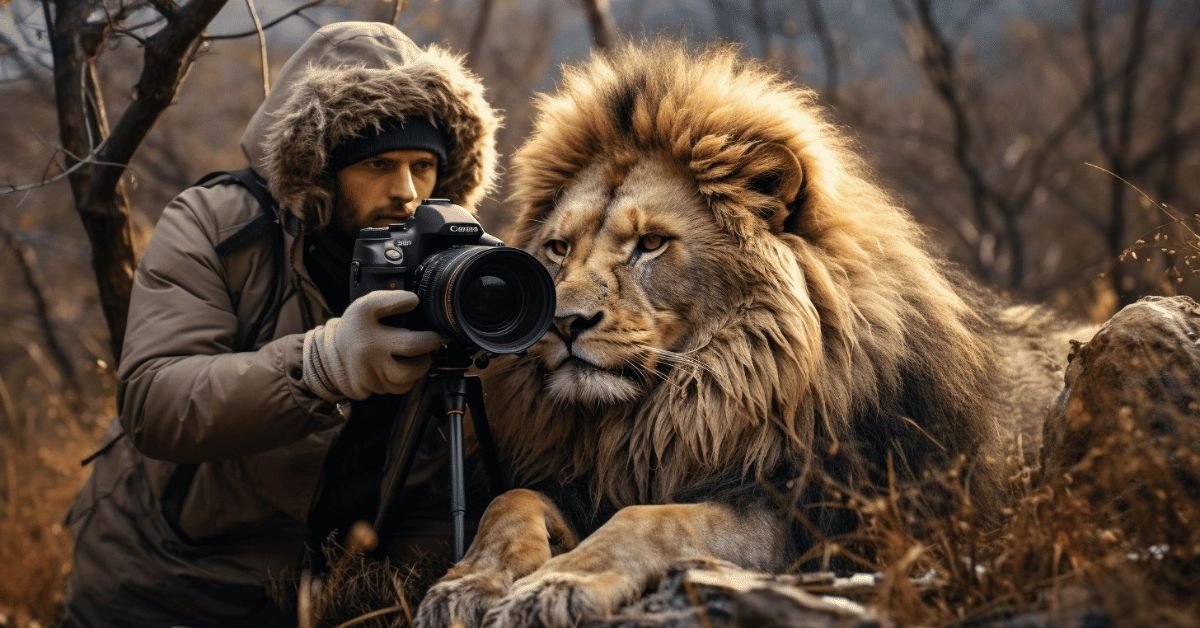
Wildlife photography tests your gear like nothing else. Animals move fast. Light changes in seconds. You often shoot from far away. That is why picking the best camera for wildlife photography matters so much.
A weak camera makes you miss the shot. A strong one helps you catch the moment exactly when it happens.
This guide walks you through everything you need to know. We cover the features that matter most, share top camera picks for every budget, and answer common questions.
Whether you shoot birds in your backyard or track lions on safari, you will find useful advice here. Let’s find the best camera for wildlife photography that fits your needs and your wallet.
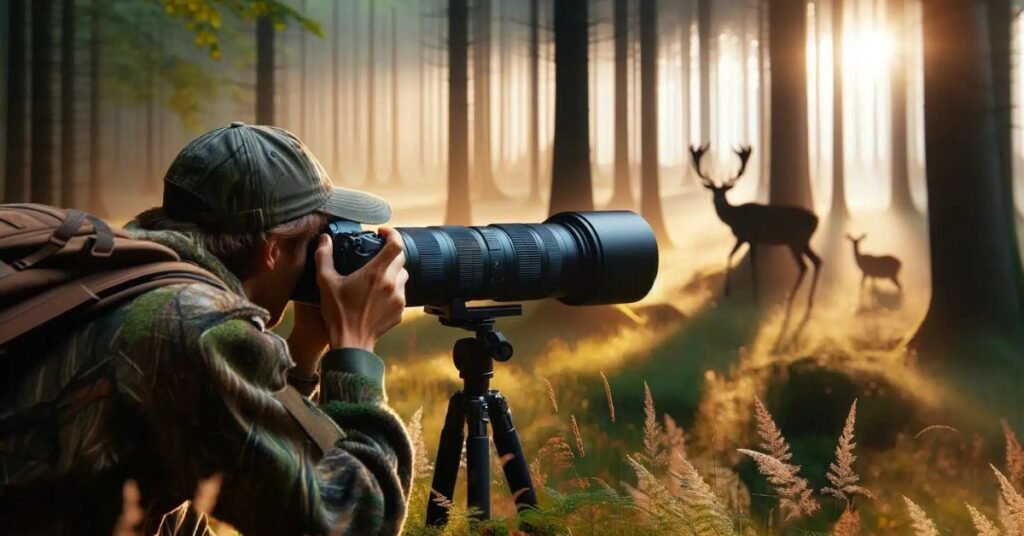
What Makes the Best Camera for Wildlife Photography
Not every camera works well for wildlife. The best camera for wildlife photography needs a few key strengths. First, it needs fast and accurate autofocus. Animals do not wait for you to focus manually. A camera with smart subject tracking locks onto birds, deer, or big cats and follows them even through branches or grass.
Second, burst speed matters a lot. Wildlife action happens in a blink. A bird takes flight in a fraction of a second. Cameras that shoot 15 to 30 frames per second give you many chances to catch that perfect wing position or leap.
Third, sensor size and resolution affect your results. Higher megapixels let you crop into distant subjects without losing detail. Full-frame sensors handle low light better, while APS-C sensors give extra reach thanks to the crop factor.
Finally, weather sealing and battery life keep you shooting through rain, dust, and long field days. Together, these four factors decide the best camera for wildlife photography for your style.
Autofocus: The Heart of Wildlife Photography
Autofocus is often the single biggest factor when choosing the best camera for wildlife photography. Wild animals rarely sit still. A deer might dart into thick brush. A hawk might dive without warning. Your camera needs to react instantly.
Modern mirrorless cameras use AI-based tracking. This tech recognizes eyes, faces, and even specific animal types like birds or mammals. Once it locks on, it sticks to the subject even as it moves through the frame. This feature alone can turn a blurry miss into a sharp, frame-worthy shot.
Look for cameras with animal-eye detection. This feature focuses precisely on the eye of your subject, which keeps the most important part of the photo sharp. Also check how well the camera reacquires focus after an obstacle, like a branch, blocks the view for a moment. The fastest systems recover almost instantly.
Older DSLR cameras can still perform well, but most photographers now prefer mirrorless bodies for this reason.
Their autofocus systems have advanced quickly over the past few years and now beat older DSLR tech in nearly every wildlife scenario. This is a major reason mirrorless models dominate today’s best camera for wildlife photography lists.
Burst Speed and Buffer: Catching the Perfect Moment
Speed is another must-have quality in the best camera for wildlife photography. Wildlife moments pass quickly, so your camera needs to fire off many shots in a short time. Most modern cameras shoot between 10 and 20 frames per second. Some flagship models push past 30 fps using an electronic shutter.
However, raw speed alone does not tell the whole story. Your camera also needs a deep buffer. The buffer holds images temporarily before writing them to your memory card. If the buffer fills up too fast, your camera slows down or stops shooting entirely right when you need it most.
A fast memory card also helps here. Cards with high write speeds clear the buffer quickly, letting you keep shooting longer bursts. When picking gear, do not just look at the FPS number on the box. Check real-world buffer depth too, since that number often decides whether you get the shot or miss it.
For most wildlife photographers, a sweet spot exists around 15 to 20 fps. Anything higher creates more images to sort through later, while anything lower risks missing action.
Sensor Size and Resolution for Wildlife Shots
Choosing the right sensor size is a key step in finding the best camera for wildlife photography. Full-frame sensors offer excellent image quality and strong low-light performance.
They handle noise well, which helps during early morning or dusk shoots when animals are most active.
APS-C and Micro Four Thirds sensors bring different advantages. Their smaller size creates a crop factor, which makes your telephoto lens act like a longer lens.
This gives you extra reach without buying a bigger, heavier, and pricier lens. Many bird photographers prefer this trade-off since reach often matters more than ultimate image quality.
Resolution also plays a role. A camera between 30 and 50 megapixels gives you plenty of room to crop into distant subjects while still keeping good image quality. Very high-resolution cameras, above 60 megapixels, offer stunning detail but can slow down burst shooting and fill your storage fast.
The table below breaks down sensor types simply.
| Sensor Type | Best For | Trade-off |
| Full-frame | Low light, image quality | Heavier, pricier lenses |
| APS-C | Extra reach, budget-friendly | Slightly more noise in low light |
| Micro Four Thirds | Lightweight travel kits | Smaller sensor limits low-light use |
Top Picks for the Best Camera for Wildlife Photography
Many strong options exist across brands and budgets. Below are some standout choices currently recommended by wildlife photographers.
The Nikon Z8 balances speed, resolution, and autofocus in one body. It shoots high-quality video alongside sharp stills, making it a favorite all-rounder. The Canon EOS R5 Mark II offers a 45-megapixel sensor with excellent autofocus and strong video specs, making it a top mid-range pick for Canon shooters.
The Sony A9 III stands out with its global shutter sensor, which removes distortion entirely when shooting fast-moving animals. This makes it one of the most advanced tools available for capturing birds in flight.
For beginners, the Canon EOS R7 is a smart entry point. Its APS-C sensor adds reach, and its autofocus tracks birds and animals impressively well for the price. The OM System OM-1 Mark II also deserves attention, offering a deep buffer and strong autofocus in a lighter, weather-sealed body.
Each of these cameras proves that today’s best camera for wildlife photography does not have to mean an oversized, ultra-expensive body.
Best Budget Options for Wildlife Photography
You do not need to spend thousands to start capturing great wildlife shots. Several budget-friendly cameras still deliver strong results for beginners and hobbyists chasing the best camera for wildlife photography without breaking the bank.
Bridge cameras, like the Canon PowerShot SX70 HS, pack huge zoom ranges into one compact body. This means you skip buying separate lenses altogether. These cameras work best in daylight and for subjects that are not moving too fast, such as basking reptiles or grazing deer.
If you want an interchangeable lens system on a budget, look at APS-C mirrorless bodies. The Canon EOS R7 remains a strong choice here, offering solid autofocus and burst speed for its price point. Sony’s A6700 is another worthy option, known for reliable subject tracking at a lower cost than full-frame bodies.
Used full-frame DSLRs also offer surprising value. Bodies like the Nikon D500 remain capable performers, especially when paired with affordable used lenses. This route suits photographers who want full-frame quality without paying current mirrorless prices.
Budget should never stop you from starting. Many photographers began with basic gear and grew their skills before upgrading to the best camera for wildlife photography in a higher price bracket.
Read for more info: https://wildtrailsapp.com/best-safari-destinations/
Best Lenses to Pair With Your Wildlife Camera
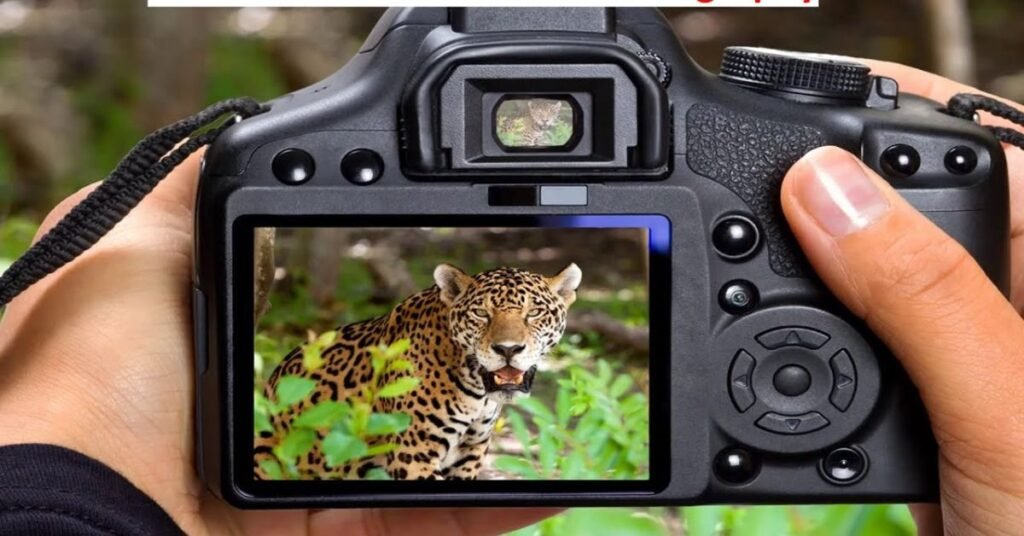
Your camera body is only half the equation. Even the best camera for wildlife photography needs the right lens to perform well. Lens choice often matters more than the camera itself, especially for distant subjects like birds.
A 100- 400 mm or 150- 600 mm zoom lens works well as a starting point for most wildlife scenes. Bird photographers often stretch further, reaching for 500mm, 600mm, or longer primes to fill the frame with small, distant subjects.
For larger animals, like those seen on safari, a 70-200mm lens paired with a longer telephoto covers most situations well.
Consider your camera’s sensor size when picking a lens. APS-C and Micro Four Thirds bodies benefit from their crop factor, so a shorter lens still delivers strong reach. Full-frame bodies typically need longer, heavier glass to match that same reach.
Third-party lens makers now offer excellent, more affordable alternatives to brand-name telephotos. These lenses often deliver similar sharpness and autofocus speed at a lower price, making them worth considering if your budget is tight after buying the camera body itself.
Weather Sealing and Battery Life in the Field
Wildlife photography often happens far from shelter or power outlets. This makes durability a real factor when picking the best camera for wildlife photography. Rain, dust, cold, and humidity can all damage gear that is not properly sealed.
Look for cameras with strong weather sealing around buttons, dials, and card doors. This protects your gear during unexpected rain showers or dusty safari drives. Many mirrorless flagship models now match or beat older DSLRs in this area, despite earlier concerns about mirrorless durability.
Battery life is another practical concern. Wildlife photography drains batteries quickly since the camera constantly tracks subjects and writes bursts of images.
Carrying spare batteries is standard practice for serious wildlife shooters. Some cameras, like the Nikon Z9, include a built-in battery grip, which extends shooting time significantly compared to standard bodies.
Cold weather also shortens battery life faster than normal. If you shoot in winter or high-altitude locations, keep spare batteries warm in an inner pocket. These small habits often matter as much as the camera specs themselves when working in tough field conditions.
Mirrorless vs DSLR for Wildlife Photography
Many photographers debate mirrorless cameras against DSLRs when searching for the best camera for wildlife photography. Both systems can produce excellent results, but they differ in a few key ways.
Mirrorless cameras generally offer faster, smarter autofocus systems today. Their AI-based tracking recognizes animals and birds with impressive accuracy and continues improving with each new model release. Mirrorless bodies also tend to be lighter, which helps during long hikes or travel-heavy wildlife trips.
DSLRs still hold some advantages. Their optical viewfinders show a real-time view without any lag, which some photographers prefer for tracking fast action.
DSLR batteries also often last longer per charge since they do not power an electronic viewfinder constantly. Used DSLR lenses tend to cost less too, which helps beginners build a kit affordably.
For most new buyers today, mirrorless remains the smarter long-term investment. Lens ecosystems for mirrorless systems keep expanding, and autofocus technology keeps improving rapidly.
Still, a well-chosen DSLR setup remains perfectly capable of producing stunning wildlife images, especially for photographers upgrading from older gear.
Tips to Get Better Wildlife Photos With Any Camera
Even the best camera for wildlife photography cannot replace good technique. Fieldcraft matters as much as gear. Learning animal behavior helps you predict movement and be ready before the action starts.
Patience plays a huge role too. Wildlife photographers often wait for hours in one spot, watching for the right moment. Getting close to your subject without disturbing it takes practice and respect for the animal’s space.
Shooting in the early morning or late afternoon gives you softer, warmer light. Animals are also more active during these cooler hours, giving you more chances to capture natural behavior.
Practice with your camera’s settings before heading into the field. Know your autofocus modes, burst settings, and exposure controls well enough that you can adjust them without looking away from your subject.
This muscle memory often makes the real difference between missing a shot and capturing a memorable one, regardless of which camera body you use.
Frequently Asked Questions
What is the best camera for wildlife photography on a budget?
The Canon EOS R7 offers strong autofocus, good burst speed, and an APS-C sensor that adds extra reach, all at a friendly price for beginners and hobbyists.
Do I need a full-frame camera for wildlife photography?
No. APS-C and Micro Four Thirds cameras work very well for wildlife, especially for reach-focused subjects like birds. Full-frame helps most with low light and overall image quality.
How many megapixels do I need for wildlife photography?
Between 30 and 50 megapixels gives you good cropping room without slowing your camera down too much. Very high megapixel counts can limit burst speed and fill storage quickly.
Is mirrorless better than a DSLR for wildlife photography?
Mirrorless cameras generally offer faster and smarter autofocus today, along with lighter bodies. DSLRs still work well and often cost less, especially when buying used gear.
What lens should I pair with my wildlife camera?
A 100-400mm or 150-600mm zoom lens suits most wildlife scenes. Bird photographers often prefer 500mm or longer lenses for distant, small subjects.
Conclusion
Finding the best camera for wildlife photography comes down to matching gear to your goals and budget. Autofocus speed, burst rate, sensor size, and durability all play a role in your final choice. Beginners can start strong with budget-friendly APS-C bodies like the Canon EOS R7, while advanced shooters may prefer flagship models like the Nikon Z8 or Sony A9 III.
Remember that gear is only part of the story. Patience, timing, and practice matter just as much as your camera specs. Choose a system that fits your budget, pair it with the right lens, and spend time in the field learning your subjects.
With the right combination of gear and skill, you will be ready to capture stunning wildlife moments for years to come.