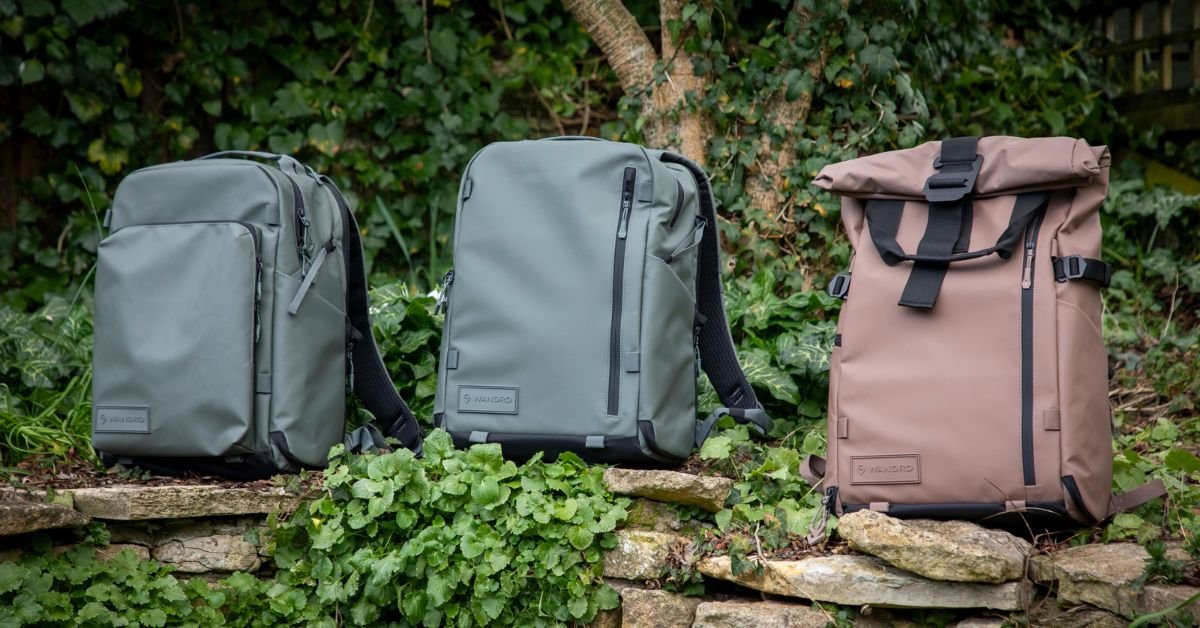
Wildlife photography is one of the most exciting forms of photography. You chase rare birds, track big cats, and wait for hours to capture a perfect moment. But all that adventure demands the right gear. And the most important piece of gear, after your camera, is your backpack.
Camera backpacks for wildlife serve a very different purpose than regular bags. They protect expensive equipment from rain, dust, and accidental drops. They also keep your lenses and camera body organized so you can grab them fast. A regular bag simply cannot do this job well.
Think about it. You spot a rare eagle sitting on a tree branch. You have seconds to pull out your camera and shoot. If your gear is buried inside a messy bag, you miss the shot. A good wildlife camera backpack gives you quick side access or back-panel entry so you never lose a moment.
These backpacks also carry the weight of heavy telephoto lenses and camera bodies for long hours. Comfort features like padded shoulder straps, hip belts, and breathable back panels make a huge difference when you hike for miles through forests, deserts, or mountain trails.
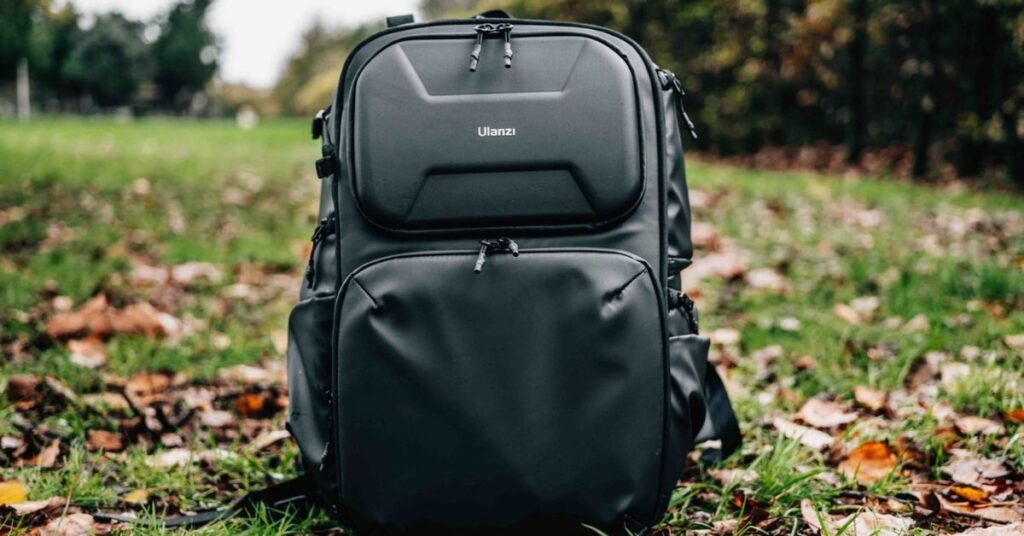
Key Features to Look for in Camera Backpacks for Wildlife
Choosing the right backpack can feel overwhelming. There are hundreds of options on the market. But you can narrow your choice by focusing on a few must-have features.
Weather Resistance and Waterproofing
Wildlife photographers work in unpredictable weather. You might face sudden rain, heavy fog, or dusty winds. Your backpack must handle all of it. Look for bags made from waterproof nylon or water-resistant fabric.
Many good packs also come with a dedicated rain cover stored in a bottom pocket. This adds an extra layer of protection during heavy downpours.
Taped seams and weather-sealed zippers also help keep moisture out. If you frequently shoot near water bodies, rivers, or coastal areas, waterproofing becomes even more critical.
Customizable Padded Compartments
Every wildlife photographer carries a different kit. Some use a DSLR with two lenses. Others carry a mirrorless body with three or four lenses and a drone. Your backpack should adapt to your specific setup.
Removable padded dividers let you create custom-sized slots for each piece of gear. This stops your equipment from sliding around and banging into each other. The thick foam padding also absorbs shocks if you accidentally set the bag down hard.
Quick Access Design
Speed matters in wildlife photography. Animals do not wait for you to unpack your bag. The best camera backpacks for wildlife offer side-access zippers or full back-panel openings. These let you pull out your camera while keeping the backpack on your shoulders.
Some newer designs even have rotating belt packs. You swing the lower section to the front, grab your camera, and start shooting. This is a game-changer for bird and mammal photography where every second counts.
Comfort and Ergonomics
You will carry your backpack for hours at a time. Sometimes you hike steep trails or wade through grasslands. Comfort is not a luxury here. It is a necessity.
Look for these comfort features:
- Wide padded shoulder straps that distribute weight evenly
- Adjustable hip belt that shifts weight from your back to your hips
- Breathable mesh back panel that reduces sweating during warm weather
- Chest strap that stops the shoulder straps from sliding off
A well-designed harness system makes even a heavy 15-pound load feel manageable. Without it, you will feel exhausted within the first hour.
Tripod and Monopod Attachment
Wildlife photographers often use tripods or monopods for stability, especially with long telephoto lenses. A good backpack should have dedicated straps or holders to carry your tripod externally.
Some packs offer a central “swing-out” pocket that keeps the tripod weight centered and balanced. Others use simple side straps or bottom loops.
Laptop and Tablet Sleeve
Many photographers edit images on location or need a laptop for file backup. A padded laptop sleeve that fits a 13-inch to 15.6-inch device adds great value. Make sure the sleeve sits against the back panel for maximum protection and easy airport security checks.
Best Camera Backpack Brands for Wildlife Photography
Not all camera bag brands understand the needs of wildlife photographers. Some focus on street photography or studio work. The brands below have built their reputation by creating bags that survive tough outdoor conditions.
Lowepro
Lowepro has been a trusted name in camera bags for decades. Their PhotoSport series combines hiking backpack features with camera protection.
The ProTactic line is another popular choice for pros who need a rugged, modular pack. Lowepro bags offer the ActivLift System harness that lifts and stabilizes heavy loads effectively.
MindShift Gear
MindShift, a sister brand of Think Tank Photo, focuses on outdoor and nature photography bags. Their BackLight series offers an excellent rear-access design. This means you open the bag from the back panel, keeping the front protected while you access your gear.
The BackLight comes in multiple sizes ranging from 18L to 45L. Wildlife photographers love the 36L version because it fits a 600mm lens and still has room for personal items like food, extra clothing, and a first aid kit.
Shimoda
Shimoda designs premium adventure photography backpacks. Their Explore V2 and Action X lines stand out for modular core units and excellent harness systems. The Action X series features a DuraDiamond shell that resists cuts and abrasions in rough terrain.
Shimoda bags also use an Origami fold system that lets you expand the pack from 35L to 60L when you need extra space.
F-Stop
F-Stop takes a different approach. They build hiking-first backpacks and pair them with removable ICU (Internal Camera Unit) inserts.
You get the comfort and ventilation of a high-end hiking pack with the gear protection of a dedicated camera bag. This modular system lets you swap ICU sizes depending on how much camera gear you carry.
K&F Concept
For photographers on a budget, K&F Concept delivers impressive value. Their 20L camera backpack offers quick side access, reinforced stitching, and waterproof nylon at a fraction of premium brand prices.
It holds a camera body, four lenses, a tripod, and even a small drone. It is an excellent entry point for beginners stepping into wildlife photography.
Comparison Table: Top Camera Backpacks for Wildlife
| Feature | Lowepro ProTactic 450 AW II | MindShift BackLight 36L | Shimoda Explore V2 30 | K&F Concept 20L |
| Capacity | 25L | 36L | 30L | 20L |
| Fits 600mm Lens | No | Yes | No | No |
| Laptop Sleeve | 15 inch | 15 inch | 16 inch | 15.6 inch |
| Rain Cover | Included | Included | Included | Included |
| Tripod Mount | Yes | Yes | Yes | Yes |
| Weight | 2.9 kg | 2.2 kg | 1.9 kg | 1.1 kg |
| Best For | All-round pro use | Long lens wildlife | Adventure travel | Budget wildlife |
| Price Range | High | Mid-High | High | Budget |
This table gives you a quick snapshot of how the top camera backpacks for wildlife compare against each other. Your choice depends on the size of your gear, your budget, and the type of terrain you shoot in.
Read for more info: https://wildtrailsapp.com/camera-tripod-for-wildlife/
How to Pack Camera Backpacks for Wildlife Trips
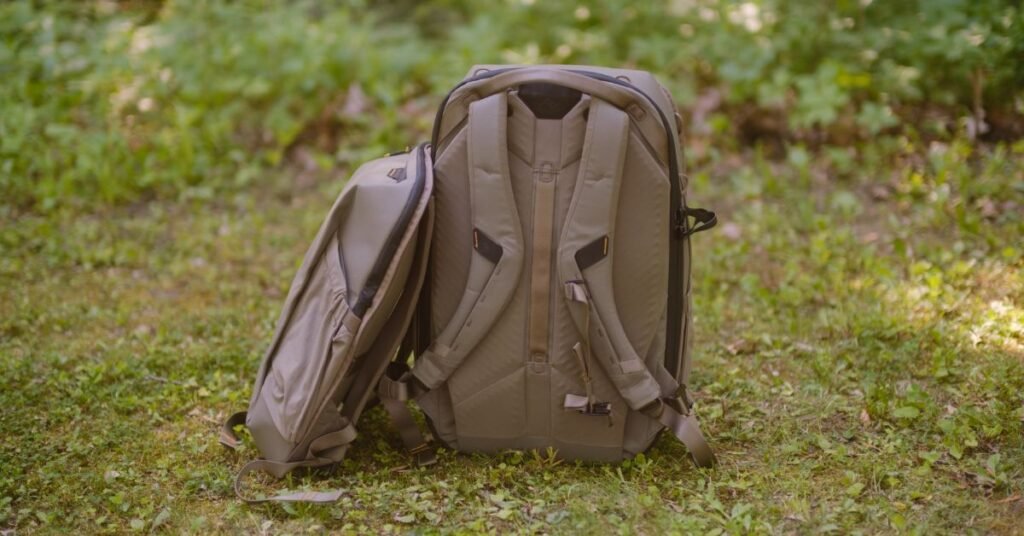
Packing your bag the right way matters just as much as buying the right one. Poor packing leads to gear damage, back pain, and missed shots. Follow these simple tips.
Place Heavy Items Close to Your Back
Put your camera body and heaviest lens near the back panel. This keeps the weight close to your center of gravity. It improves balance and reduces strain on your shoulders. Lighter accessories like filters, memory cards, and cleaning kits go in the outer pockets.
Use Every Divider
Do not leave empty gaps between your gear. Adjust the padded dividers so each item sits snugly in its own slot. This prevents lenses from shifting during movement. A well-packed bag also makes it easier to find exactly what you need without looking.
Keep Essentials Accessible
Put items you use often in the top pocket or side pockets. Memory cards, spare batteries, lens caps, and a microfiber cloth should be within quick reach. You do not want to dig through your entire bag for a battery change.
Attach the Tripod Externally
Never stuff your tripod inside the main compartment. Use the external straps or tripod holder. This saves interior space for camera gear and keeps the tripod easy to grab.
Camera Backpacks for Wildlife: Choosing the Right Size
Size selection depends on how much gear you carry and how far you walk. Here is a simple breakdown.
| Backpack Size | Ideal For | Typical Load |
| 15L – 20L | Short day shoots near a vehicle | One body, two lenses, accessories |
| 20L – 30L | Full-day hikes in moderate terrain | One body, three to four lenses, drone |
| 30L – 45L | Multi-day safaris or remote treks | Two bodies, multiple lenses, laptop, personal items |
| 45L+ | Extended expeditions | Full pro kit plus camping gear |
If you are a beginner, start with a 20L to 30L pack. It covers most day shooting scenarios without being too bulky. Advanced and professional wildlife photographers who carry super telephoto lenses like the 600mm f/4 need at least a 36L pack.
Caring for Your Camera Backpacks for Wildlife
Your backpack takes a beating in the field. Mud, dust, rain, and sweat wear it down over time. Regular care extends its life and keeps your gear safe.
Empty the bag after every trip. Shake out loose dirt and debris. Wipe the interior with a damp cloth and mild soap. Rinse the rain cover separately and let everything air dry away from direct sunlight. UV rays can break down the waterproof coating over time.
Check the zippers regularly. Sand and grit can jam zippers or damage their teeth. A soft brush cleans them well. Apply a small amount of zipper lubricant if they start to stick.
Inspect the padded dividers for signs of wear. Foam breaks down after years of use. Replace worn dividers to keep your lenses and camera body properly cushioned. Most brands sell replacement divider sets at a reasonable cost.
Store the backpack in a cool, dry place when not in use. Avoid damp closets or hot car trunks. Humidity encourages mold growth, and heat can warp plastic buckles and degrade fabric coatings.
Budget vs Premium: Which Camera Backpacks for Wildlife Should You Buy?
Budget and premium camera backpacks both have their place. The right choice depends on how often you shoot and the conditions you face.
Budget backpacks (under $80) from brands like K&F Concept and Rainsmore offer solid protection and basic features.
They work well for hobbyists who shoot on weekends or take occasional trips. The trade-offs include thinner padding, lighter-duty zippers, and less refined harness systems.
Premium backpacks ($150 to $400+) from Shimoda, MindShift, and Lowepro use higher-grade materials, more durable zippers, and advanced harness systems.
They last longer and feel more comfortable on extended hikes. If you shoot professionally or spend multiple days in the field, the investment pays for itself.
A mid-range option in the $100 to $150 range often hits the sweet spot for serious hobbyists. You get better padding, weather resistance, and comfort than budget bags without the premium price tag.
Common Mistakes to Avoid When Buying Camera Backpacks for Wildlife
Many photographers make avoidable mistakes when shopping for their first wildlife camera backpack. Here are the most common ones.
Buying too small. Your gear collection will grow. That extra lens or drone you buy next year needs space. Choose a pack with a little room to grow rather than one that barely fits your current setup.
Ignoring comfort. A backpack might look great and have amazing compartments, but if the straps dig into your shoulders after 30 minutes, it fails at its job. Always check the harness system, hip belt, and back panel before buying.
Skipping the rain cover. Not every bag includes a rain cover. Some budget packs claim water resistance but cannot handle a real downpour. Always confirm a rain cover is included or buy one separately.
Forgetting airline compatibility. If you fly to your wildlife destinations, your backpack must meet carry-on size requirements. Most airlines allow bags up to 22 x 14 x 9 inches. Packs larger than 35L sometimes need to be checked, which puts your gear at risk.
Choosing looks over function. A sleek, stylish bag does not help if it lacks quick access, tripod straps, or proper padding. Function always comes first in wildlife photography.
Hybrid Approach: Hiking Backpack with Camera Insert
Some photographers prefer a hybrid setup. They buy a high-quality hiking backpack from brands like Osprey or Gregory and pair it with a removable camera insert from F-Stop or Shimoda.
This approach gives you the comfort and suspension system of a true hiking backpack. The camera insert protects your gear inside the main compartment. You can remove the insert entirely on non-photography hikes and use the pack for regular trekking.
The trade-off is less convenient camera access compared to a dedicated camera backpack. You usually have to remove the pack, open the top, and dig into the insert. For photographers who hike long distances and only shoot at specific locations, this compromise works well.
Conclusion
The right camera backpacks for wildlife photography make your outdoor adventures easier, safer, and more productive. They protect your expensive gear from the elements. They keep everything organized for quick access. And they carry the weight comfortably so you can focus on capturing stunning images.
Focus on the features that matter most: weather resistance, customizable compartments, quick access, comfort, and the right size for your kit. Trusted brands like Lowepro, MindShift, Shimoda, F-Stop, and K&F Concept offer excellent options across every budget range.
Take your time to research, read reviews, and if possible, try the backpack on with your actual gear before buying. Your camera backpack is a long-term investment. Choose wisely, and it will serve you for years of incredible wildlife photography adventures.
FAQs
What size camera backpack do I need for wildlife photography?
Most wildlife photographers do well with a 20L to 30L backpack for day shoots. If you carry a super telephoto lens like a 600mm or need space for personal items on longer treks, look at 36L or larger packs. Start with your current gear, lay it out, and measure what you actually need to carry on a typical outing.
Are waterproof camera backpacks worth the extra cost?
Yes, they are. Wildlife photography takes you into unpredictable weather. A waterproof or water-resistant backpack with an included rain cover protects thousands of dollars’ worth of camera equipment. Even a drizzle can damage electronics over time. The small extra cost is a smart insurance policy for your gear.
Can I use a regular hiking backpack for camera gear?
You can, but you should add a padded camera insert from brands like F-Stop or Shimoda. A regular hiking backpack lacks the padded dividers and compartments your gear needs.
Without an insert, your lenses and camera body will bump into each other and risk damage. The insert solves this problem while letting you enjoy the superior comfort of a hiking-specific pack.
How do I clean my camera backpack after a field trip?
Empty the bag completely after every trip. Shake out dirt and debris. Wipe the inside with a damp cloth and mild soap. Rinse the rain cover separately. Let everything air dry in a shaded area away from direct sunlight. Check zippers for sand or grit and brush them clean. Store the backpack in a cool, dry place.
Which brand makes the best camera backpacks for wildlife photography?
There is no single best brand because each photographer has different needs. MindShift Gear excels in rear-access design and large capacity. Shimoda offers premium build quality and modularity.
Lowepro provides a wide range from budget to pro level. K&F Concept delivers the best value for beginners. Choose based on your budget, gear size, and shooting style.