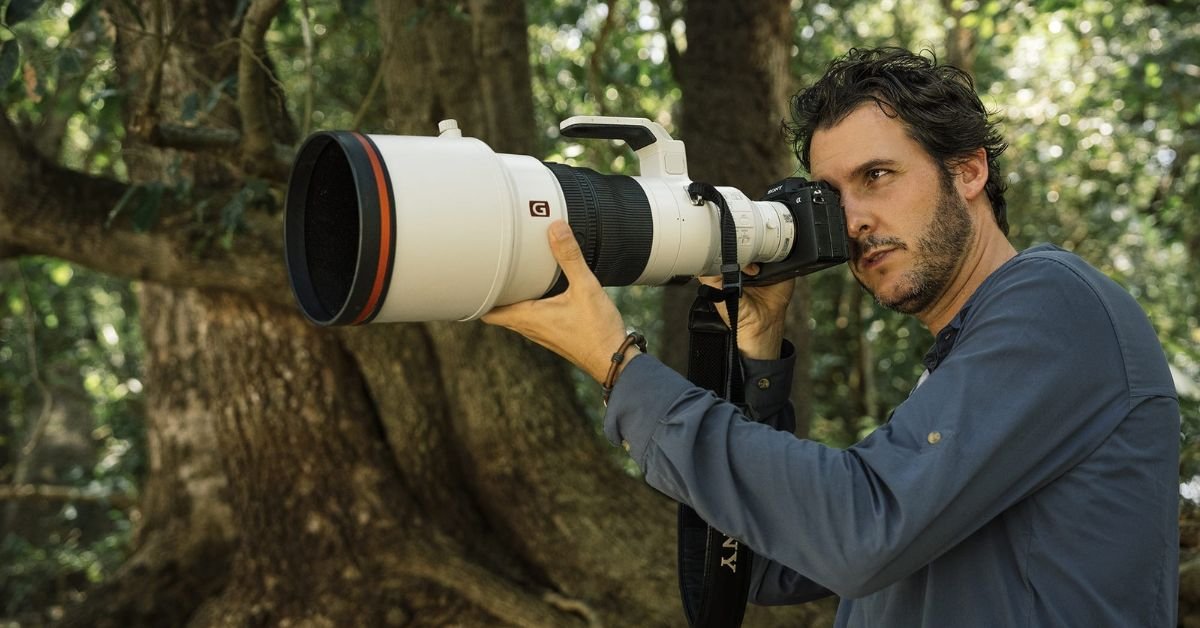
Why a Mirrorless Camera for Wildlife Matters
Wildlife photography is exciting but hard. Animals move fast. Light changes in seconds. You often shoot from far away. That is why picking the right mirrorless camera for wildlife can change your results overnight. A good body locks focus in a flash. It shoots many frames per second. It also handles low light with ease.
Today, most pros have moved from DSLRs to mirrorless bodies. The reason is simple. A mirrorless camera for wildlife offers faster autofocus, silent shutters, and smart subject tracking. It also gives you a live preview through the viewfinder. This helps you nail exposure before you press the button.
In this guide, you will learn what to look for. You will see the top picks for 2026. You will also get tips on lenses, settings, and common mistakes. By the end, you will know exactly which wildlife mirrorless camera fits your style and budget. Let us dive in and explore the best gear for your next safari, backyard shoot, or bird hide session.
What Makes a Great Mirrorless Camera for Wildlife
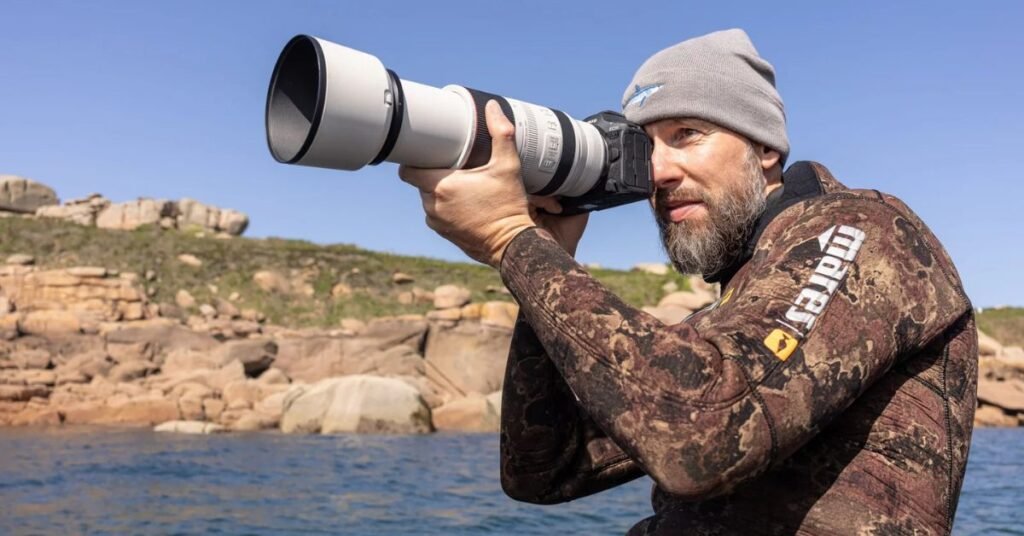
Not every camera works well in the field. A great mirrorless camera for wildlife must handle chaos. Birds fly. Deer bolt. Light dips. You need a body that keeps up. First, autofocus must be sharp and quick. Modern models use AI to spot animal eyes. This means you get sharper shots with less effort.
Second, burst speed matters a lot. A camera that shoots 15 to 30 frames per second gives you more chances at the perfect moment. Third, the sensor should offer strong low-light performance. Most wildlife action happens at dawn or dusk. A clean image at high ISO is a big win.
Weather sealing is another must. Rain, dust, and cold weather come with the job. A mirrorless camera for wildlife should shrug off rough conditions. Battery life also counts. Long days in the field drain power fast.
Finally, think about the lens system. A great body means little without long telephoto lenses. Brands like Canon, Nikon, and Sony now offer top-class glass for their mirrorless mounts.
Top Features to Look For in a Mirrorless Camera for Wildlife
Before you buy, know what to check. The right features make a huge difference. When you pick a mirrorless camera for wildlife, focus on real needs, not hype.
Autofocus tops the list. Look for animal eye detection and subject tracking. These tools save time. They also boost your keeper rate. Burst rate comes next. Aim for 15 fps or higher. Some flagship models hit 30 or even 120 fps.
Sensor size shapes your final image. Full-frame sensors give you the best low-light performance and shallow depth. APS-C bodies give you extra reach thanks to the crop factor. Micro Four Thirds cameras are light and small. Each format has a place.
Buffer depth is often ignored. A deep buffer lets you shoot long bursts without slowdown. This matters when birds take off or predators charge. Video features also help. Many wildlife shooters now record clips as well as stills.
Here is a quick look at what to weigh in a mirrorless camera for wildlife:
| Feature | Why It Matters | Ideal Spec |
| Autofocus | Locks on fast subjects | Animal Eye AF, 500+ points |
| Burst Speed | Captures peak action | 15–30 fps |
| Sensor Size | Image quality and reach | Full-frame or APS-C |
| Weather Seal | Handles harsh field use | Full sealing |
| Battery Life | Long field days | 500+ shots per charge |
Best Full-Frame Mirrorless Camera for Wildlife
If you have a bigger budget, a full-frame model is often the top pick. The Nikon Z8 stands out as a leading mirrorless camera for wildlife in 2026. It packs a 45.7MP stacked sensor, fast autofocus, and up to 120 fps burst at reduced resolution. It handles low light well and shoots 8K video.
The Canon EOS R5 Mark II is another strong choice. It offers a 45MP sensor, sharp animal tracking, and both 8K and 4K/120p video. It fits well in a bag and gives you room to crop tight on far-off animals.
Sony Alpha 1 II is a top pro-level option. It shoots at 30 fps with a 50MP sensor. Its autofocus is one of the best on the market. Bird photographers love it for its speed and detail.
For those who need a global shutter, the Sony A9 III is a game-changer. It removes the rolling shutter fully. Fast-flying birds show no distortion at all. Each of these full-frame bodies proves that a mirrorless camera for wildlife can rival any DSLR ever made.
Best APS-C Mirrorless Camera for Wildlife on a Budget
Full-frame gear costs a lot. Luckily, APS-C bodies give you great results for less. The Canon EOS R7 is a top pick as an entry-level mirrorless camera for wildlife. It has a 32.5MP sensor, in-body stabilization, and 30 fps electronic burst.
Its 1.6x crop gives you extra reach on your lens. This means your 400mm zoom acts like a 640mm.
The Sony A6700 is another strong choice. It offers sharp autofocus with animal eye detection. It is small, light, and easy to carry on long hikes. Beginners find it easy to learn.
Fujifilm X-T50 is a fine pick for those who love color and film-style controls. It gives you a fun shooting feel and solid results in good light. However, its autofocus is not as strong for fast birds.
APS-C bodies also cost less to pair with lenses. This makes them great for new shooters. If you want a capable mirrorless camera for wildlife without breaking the bank, one of these APS-C models will serve you well for years.
Micro Four Thirds: A Compact Mirrorless Camera for Wildlife
Some shooters want a small kit. Micro Four Thirds cameras are the answer. The OM System OM-1 Mark II is a top mirrorless camera for wildlife in this class. Its small sensor gives you a 2x crop factor. This means a 300mm lens acts like a 600mm on full-frame.
That extra reach is huge for bird shooters.
The Panasonic Lumix G9 II is another great pick. It has a 25MP sensor and phase-detect autofocus. It shoots 14 fps mechanical and 75 fps electronic burst. It is rugged and weather-sealed too.
The main win of Micro Four Thirds is size and weight. You can carry a full kit all day without pain. This helps on long hikes or safaris. Lenses are also smaller and cheaper. A 100-400mm zoom weighs half as much as a full-frame version.
The trade-off is low-light power. Small sensors show more noise at high ISO. Still, for many uses, a Micro Four Thirds mirrorless camera for wildlife offers a smart mix of reach, speed, and portability.
Comparison Table: Top Mirrorless Cameras for Wildlife
Here is a side-by-side look at the top picks. Use this table to match a mirrorless camera for wildlife to your needs and budget.
| Camera Model | Sensor | Resolution | Max Burst | Best For |
| Nikon Z8 | Full-frame | 45.7 MP | 120 fps | All-around pro use |
| Canon EOS R5 Mark II | Full-frame | 45 MP | 30 fps | Hybrid photo/video |
| Sony Alpha 1 II | Full-frame | 50 MP | 30 fps | Bird photography |
| Sony A9 III | Full-frame | 24 MP | 120 fps | Fast action shots |
| Canon EOS R7 | APS-C | 32.5 MP | 30 fps | Budget wildlife |
| Sony A6700 | APS-C | 26 MP | 11 fps | Beginners |
| OM System OM-1 II | Micro 4/3 | 20 MP | 120 fps | Compact kits |
| Panasonic G9 II | Micro 4/3 | 25 MP | 75 fps | Travel wildlife |
This table shows there is no single winner. Each mirrorless camera for wildlife has its own strengths. Pick based on your style, budget, and how far you plan to hike with your gear.
Lenses to Pair with Your Mirrorless Camera for Wildlife
A camera body is only half the story. Your lens choice shapes your images just as much. A great mirrorless camera for wildlife needs a matching telephoto lens. Most pros use focal lengths from 400mm to 800mm.
For Canon RF users, the RF 100-500mm f/4.5-7.1 is a solid all-round zoom. The RF 200-800mm offers even more reach at a fair price. Nikon Z shooters love the Z 180-600mm for its value. The Z 400mm f/4.5 and Z 800mm f/6.3 are lighter primes with sharp results.
Sony fans get the 200-600mm G lens. It is sharp, fast, and works with all Sony bodies. For Micro Four Thirds, the Olympus 100-400mm and Panasonic 100-400mm are top picks.
Prime lenses cost more but give you the best sharpness and low-light performance. Zooms are more flexible in the field. If you are new to using a mirrorless camera for wildlife, start with a zoom. You can add a prime later once you know your style.
Remember, weight matters. A heavy lens can wear you down fast.
Read for more info: https://wildtrailsapp.com/dslr-for-wildlife-photography/
Tips for Using a Mirrorless Camera for Wildlife Photography
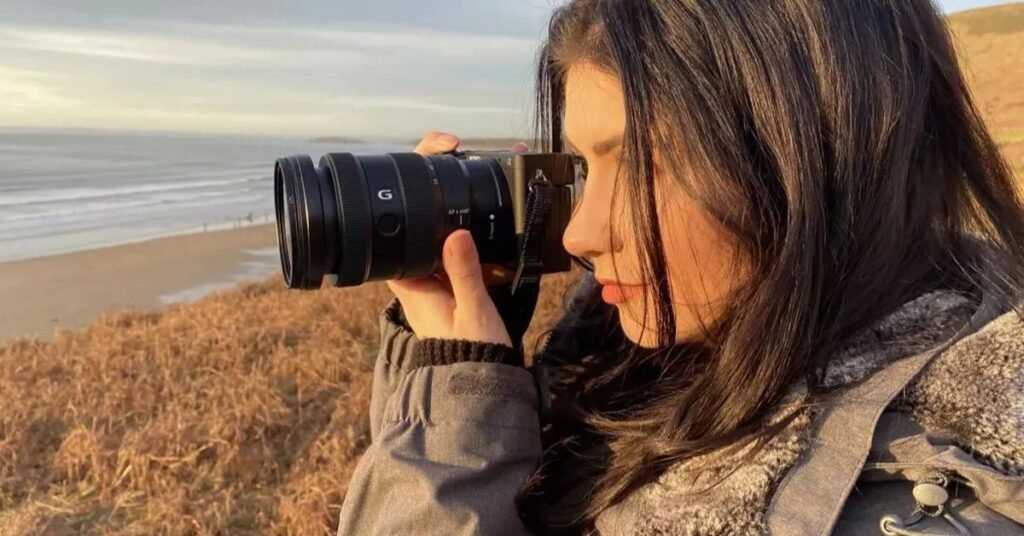
Owning the right gear is just the start. You also need smart field skills. Even the best mirrorless camera for wildlife cannot save a poor plan. Start with the right settings.
Use continuous autofocus with animal eye detection. Set your camera to high-speed burst. Choose a fast shutter speed, at least 1/1000s for birds in flight.
Learn your subject. Watch how animals move. Study their habits. This helps you predict action. Show up at dawn or dusk. Light is soft and animals are most active. Wear muted clothing. Move slowly. Stay quiet.
Use back-button focus. This lets you separate focus from the shutter. It gives you more control over fast subjects. Shoot in RAW format. It gives you more room to fix exposure later.
Practice often. Try local parks or your own backyard. Squirrels and songbirds make great subjects. Do not chase perfect gear at the cost of practice. Skill matters more than kit. Even a mid-range mirrorless camera for wildlife can produce stunning shots in the hands of a trained photographer.
Also, back up your images each night. Memory cards can fail without warning.
Common Mistakes to Avoid with a Mirrorless Camera for Wildlife
Many new shooters make the same errors. Learning them saves time and money. First, do not buy the most expensive mirrorless camera for wildlife right away. Start with a mid-range body. Learn the basics. Then upgrade.
Second, do not skip the lens. A cheap zoom will hold back your best body. Spend more on glass than on the camera if you can.
Third, do not use slow shutter speeds for moving animals. Blur ruins otherwise sharp shots. Push your shutter speed up. Raise ISO if needed. Modern sensors handle noise very well.
Fourth, do not ignore fieldcraft. Gear alone will not get you close to shy wildlife. Learn to read the environment. Move as the animals do.
Fifth, do not forget to clean your gear. Dust, sand, and moisture kill cameras. Wipe down your body and lens after each trip. Store gear in a dry bag.
Lastly, do not chase every new release. A mirrorless camera for wildlife from two years ago can still make amazing images today. Focus on skills, not specs, and your photos will improve fast.
Conclusion: Picking the Right Mirrorless Camera for Wildlife
Choosing the right mirrorless camera for wildlife takes thought. There is no one-size-fits-all answer. Your budget, style, and travel needs all shape the choice. Full-frame bodies like the Nikon Z8, Canon R5 Mark II, and Sony A1 II give you top-tier results.
APS-C picks like the Canon R7 and Sony A6700 offer great value. Micro Four Thirds bodies win on size and reach.
Whichever you pick, remember that the body is only one part of the kit. A sharp lens, good field skills, and lots of practice matter just as much. Learn your camera inside out. Try new settings. Get out often. Even a modest mirrorless camera for wildlife can create shots that stop viewers in their tracks.
Wildlife photography is a rewarding path. It teaches patience, care, and respect for nature. The right gear helps you tell those stories with sharp, clear images.
Take your time, do your research, and pick the mirrorless camera for wildlife that fits your journey. Then head out and shoot. The best moments are waiting for you in the wild.
Frequently Asked Questions (FAQs)
Q1. Is a mirrorless camera for wildlife better than a DSLR?
Yes, in most cases. A modern mirrorless camera for wildlife has faster autofocus, animal eye detection, and higher burst speeds.
It also uses electronic viewfinders that show real-time exposure. DSLRs still work well, but brands now focus on mirrorless growth. For long-term use, mirrorless is the smarter pick.
Q2. What is the best budget mirrorless camera for wildlife in 2026?
The Canon EOS R7 is a top budget choice. It offers a 32.5MP APS-C sensor, 30 fps burst, and strong autofocus.
The Sony A6700 is another solid pick. Both give you pro-level features at a fair price and pair well with mid-range telephoto lenses.
Q3. What lens should I pair with my mirrorless camera for wildlife?
Start with a 100- 400 mm or 200- 600 mm zoom lens. These focal lengths cover most wildlife needs. Prime lenses like a 400mm f/4.5 or 600mm f/4 give sharper results but cost more. Match the lens mount to your camera brand for the best fit.
Q4. Do I need a full-frame mirrorless camera for wildlife photography?
Not always. Full-frame bodies offer better low-light performance and shallow depth. However, APS-C and Micro Four Thirds cameras give you more reach thanks to their crop factors.
Many great wildlife shots come from smaller sensor bodies. Pick based on your budget and how you shoot.
Q5. How many megapixels do I need in a mirrorless camera for wildlife?
Between 24MP and 50MP works best. Higher megapixels let you crop tight when animals are far away.
Too many pixels can slow burst speeds and fill memory cards fast. Around 30 to 45MP is the sweet spot for most wildlife photographers today.