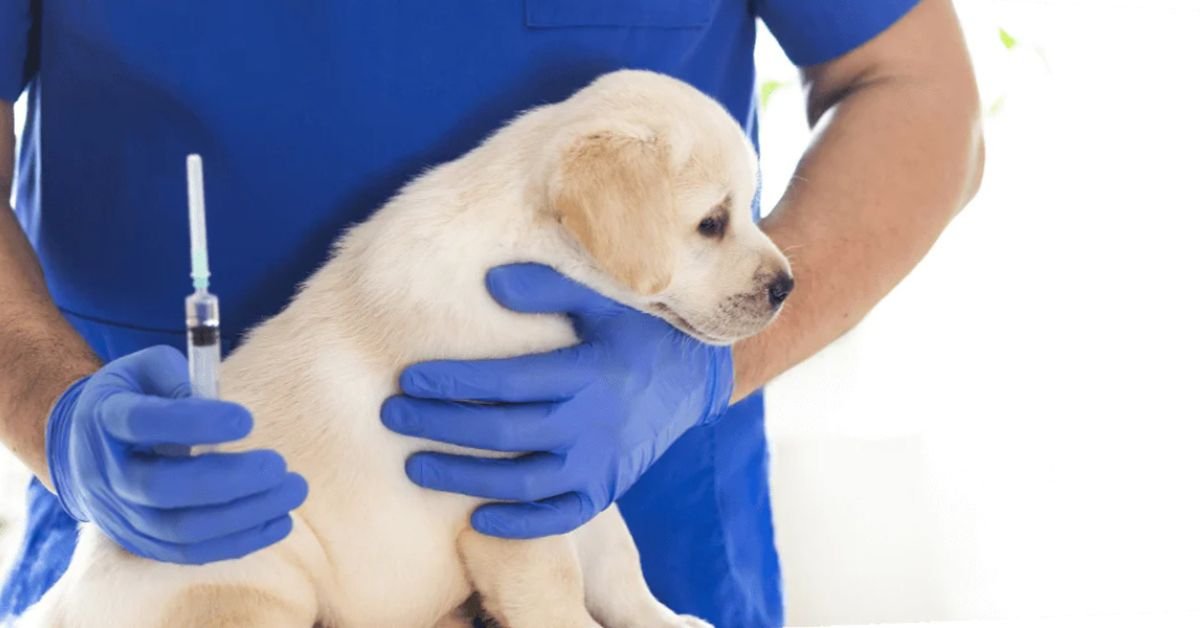
Bringing a new puppy or kitten home is exciting. But along with the cuddles and playtime comes one big responsibility: keeping your pet healthy. This pet vaccination guide will walk you through everything you need to know about protecting your furry friend from serious diseases.
Vaccines are not just a formality. They save lives. Many illnesses that once killed pets in large numbers are now rare, simply because owners follow proper vaccination schedules. Whether you have a dog, a cat, or both, this guide will help you understand what shots your pet needs, when they need them, and why each one matters.
We will cover core and non-core vaccines, age-based schedules, costs, possible side effects, and answers to common questions. By the end, you will feel confident about planning your pet’s vaccination journey.
Why a Pet Vaccination Guide Matters for Every Owner
Many new pet owners feel confused about vaccines. Vets use terms like “core” and “non-core,” and schedules can look complicated on paper. A good pet vaccination guide clears up this confusion in simple words.
Vaccines work by training your pet’s immune system. They introduce a small, safe piece of a virus or bacteria. Your pet’s body learns to recognize and fight it. If your pet ever meets the real disease later, the body already knows how to respond quickly. This stops the illness before it becomes dangerous.
Skipping vaccines puts your pet at serious risk. Diseases like parvovirus, distemper, and rabies are still present in many areas. They spread fast, especially in parks, shelters, and grooming centers. Vaccinated pets help create a safer environment for all animals nearby, not just your own.
Vaccination is also often required by law or by service providers. Boarding facilities, groomers, and trainers usually ask for proof before they accept your pet. Airlines and even some apartment complexes require updated vaccine records, too. Staying current saves you from last-minute stress.
Core Vaccines Every Dog and Cat Needs
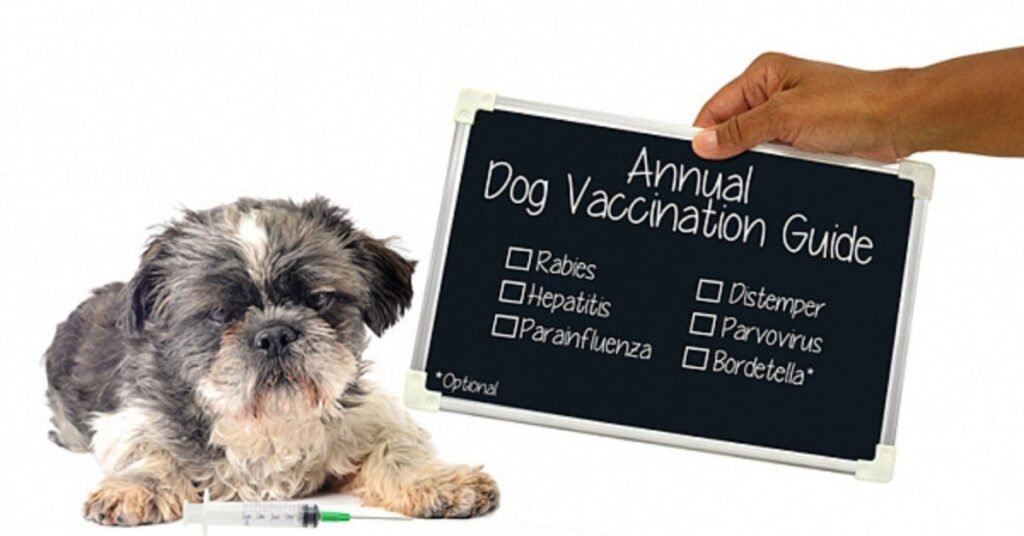
Core vaccines are the foundation of any pet vaccination guide. Vets recommend these for every dog and cat, no matter their lifestyle, breed, or where they live. These vaccines protect against diseases that are common, severe, and sometimes deadly.
For dogs, core vaccines protect against canine distemper, parvovirus, adenovirus (canine hepatitis), and rabies. Each disease can cause severe illness. Parvovirus, for example, leads to dangerous vomiting and bloody diarrhea, and it can kill puppies within days if untreated. Distemper attacks the nervous system and is often fatal too.
For cats, core vaccines protect against feline distemper (panleukopenia), feline herpesvirus, calicivirus, and rabies. These illnesses spread easily between cats, even indoor ones, since they can travel on clothing, shoes, or through open windows.
Rabies deserves special mention. It affects the nervous system and can pass from animals to humans. Because of this risk, most regions legally require rabies vaccination for pets. Skipping it is not just risky for your pet’s health; it can also create legal trouble for you as an owner.
| Pet Type | Core Vaccines |
| Dogs | Distemper, Parvovirus, Adenovirus (Hepatitis), Rabies |
| Cats | Feline Distemper, Herpesvirus, Calicivirus, Rabies |
Non-Core Vaccines Based on Your Pet’s Lifestyle
Not every pet needs every vaccine. Non-core vaccines depend on your pet’s lifestyle, location, and risk of exposure. This part of the pet vaccination guide helps you understand which extra shots might suit your situation.
If your dog visits dog parks, boarding kennels, or grooming salons often, your vet may suggest the Bordetella vaccine, which protects against kennel cough. Dogs that spend time outdoors near wooded areas or standing water might need protection against leptospirosis or Lyme disease, since these spread through contaminated soil, water, or tick bites.
Dogs that travel to dog-friendly events or daycare centers may also benefit from the canine influenza vaccine. This illness spreads quickly in group settings, similar to a human flu outbreak in a crowded office.
For cats, the feline leukemia virus (FeLV) vaccine is worth discussing with your vet, especially if your cat goes outdoors or lives with other cats whose health status is unknown. Kittens face a higher risk from this virus than adult cats. Some vets now treat FeLV almost like a core vaccine because of this risk.
Indoor-only pets still need some non-core vaccines occasionally. Your vet will look at your home environment, nearby wildlife, and your pet’s habits before recommending the right combination. There is no one-size-fits-all answer here, which is why a personal chat with your vet matters.
Puppy and Kitten Vaccination Schedule by Age
Young pets need the most careful attention when it comes to vaccines. Their immune systems are still developing, so vets use a series of shots rather than just one dose. This section of the pet vaccination guide breaks down the typical timeline.
Puppies usually start their vaccine series between six and eight weeks of age. They then receive follow-up doses every three to four weeks until they reach about sixteen weeks old. This staggered approach makes sure their immune system builds strong protection without gaps. Rabies is typically given around twelve to sixteen weeks, depending on local rules.
Kittens follow a similar pattern. Their first shots usually begin around six to eight weeks old, with repeat doses every two to four weeks until sixteen weeks. Their first rabies shot often comes around eight to twelve weeks of age.
| Age | Dog Vaccines | Cat Vaccines |
| 6-8 weeks | First distemper/parvo dose | First distemper/herpesvirus/calici dose |
| 9-12 weeks | Second dose, possible Bordetella | Second dose, possible FeLV |
| 12-16 weeks | Final dose, rabies shot | Final dose, rabies shot |
| 1 year | Booster for all core vaccines | Booster for all core vaccines |
After finishing this initial series, puppies and kittens need a booster about one year later. This step locks in long-term protection and should never be skipped, even if your pet seems perfectly healthy.
Adult and Senior Pet Vaccination Schedule

Once your pet passes the one-year booster mark, vaccination shifts into a slower rhythm. This part of the pet vaccination guide explains what adult and senior pets typically need.
Most core vaccines for adult dogs and cats are boosted every one to three years, depending on the specific vaccine type and your vet’s recommendation. Rabies boosters, for instance, are often required every one to three years based on local law and the vaccine brand used. Distemper and parvo combination boosters in dogs, and distemper-herpesvirus-calici boosters in cats, usually follow a similar three-year pattern after the first adult booster.
Non-core vaccines often need more frequent boosters, sometimes every six months to a year, especially for diseases like kennel cough or leptospirosis. Lifestyle changes matter here, too. If your senior dog used to visit doggy daycare but now stays home full-time, your vet might adjust the schedule.
Senior pets sometimes need a slightly different approach. As pets age, their immune system and overall health can shift. Some vets recommend titer testing for senior pets, which checks existing antibody levels before giving another booster. This avoids over-vaccinating a pet whose body still holds strong immunity from earlier shots.
Annual checkups remain important even when no new vaccine is due that year. These visits let your vet catch health issues early and confirm your pet’s vaccination record stays accurate and complete.
Pet Vaccination Cost and What Affects It
Cost is a common concern for pet owners, and rightly so. This section of the pet vaccination guide gives you a realistic picture of what to expect financially.
Vaccine prices vary by location, clinic type, and the specific vaccine given. Core vaccines for puppies and kittens, including the full first-year series, typically cost more overall since multiple doses are needed across several visits. A single rabies shot is usually one of the more affordable options, while combination vaccines covering several diseases at once may cost a bit more per visit.
Non-core vaccines add to the total bill, but they are usually optional based on lifestyle, so you can plan with your vet on what truly fits your pet’s needs. Some clinics offer wellness packages that bundle vaccines with checkups, which can reduce the overall cost compared to paying for each visit separately.
Low-cost vaccination clinics and animal welfare organizations often run discounted vaccine drives, especially for rabies shots, since these protect public health, too. These events are a great option for budget-conscious owners who still want their pets fully protected.
Remember that the cost of treating a preventable disease like parvovirus or rabies exposure is far higher than the cost of the vaccine itself. Prevention truly is the more affordable path here.
Possible Side Effects and Safety Tips
Vaccines are generally very safe, but mild reactions can happen. Knowing what is normal versus what needs attention is an important part of any thorough pet vaccination guide.
Common mild side effects include slight tiredness, a small lump at the injection site, or mild loss of appetite for a day. These usually go away on their own within twenty-four to forty-eight hours. Keeping your pet calm and offering fresh water during this time helps them recover comfortably.
Serious reactions are rare but possible. Watch for facial swelling, hives, difficulty breathing, repeated vomiting, or collapse shortly after a vaccine appointment. If you notice any of these signs, contact your vet immediately or head to an emergency animal clinic. Most clinics ask owners to wait a short while after vaccination before leaving, specifically to monitor for these rare but urgent reactions.
To keep vaccination safe, always share your pet’s full health history with your vet, including any past reactions, allergies, or current medications. Avoid vaccinating a pet that is already sick or recovering from surgery unless your vet specifically advises it. Spacing out multiple vaccines across separate visits, when possible, can also reduce the chance of overwhelming a sensitive immune system, particularly in small-breed dogs or young kittens.
How to Keep Track of Your Pet’s Vaccination Schedule
Staying organized makes a huge difference. Missing a booster window can mean restarting parts of the vaccine series, especially for young pets. This section of the pet vaccination guide offers simple ways to stay on track.
Many vet clinics send automatic reminders by text or email when a booster is due. Ask your clinic to add you to this system during your first visit. If your clinic does not offer this, a simple calendar reminder on your phone works just as well.
Keep a physical or digital folder of your pet’s vaccination certificates. These records are often required for travel, boarding, registration, or even pet insurance claims. Losing them can create unnecessary delays when you need proof quickly.
Try to schedule annual vaccine and wellness visits around the same time each year, such as your pet’s birthday month. This makes the routine easy to remember and helps you catch other health issues early through the same visit.
If you ever switch vets or move to a new city, bring your pet’s full vaccination history with you. New vets need this information to continue the correct schedule instead of starting over unnecessarily.
Conclusion
A solid pet vaccination guide is one of the best tools you can have as a pet owner. Vaccines protect your dog or cat from diseases that are often serious, sometimes deadly, and almost always preventable. Core vaccines form the safety foundation every pet needs, while non-core vaccines add extra protection based on your pet’s daily life and surroundings.
Following the right schedule, from those early puppy and kitten weeks through adult boosters and senior care, keeps your pet’s immunity strong throughout their life. Yes, there is a cost involved, but it is small compared to the cost and heartbreak of treating a preventable illness.
Talk openly with your vet, keep your records organized, and stay consistent with appointments. Your pet trusts you to make these health decisions for them, and a little planning now means many more healthy, happy years together.
Frequently Asked Questions
What is the difference between core and non-core pet vaccines?
Core vaccines protect against widespread, dangerous diseases and are recommended for every pet. Non-core vaccines depend on your pet’s individual lifestyle, location, and exposure risk, so your vet decides these based on your situation.
At what age should I start my puppy or kitten’s vaccinations?
Most puppies and kittens start their vaccine series between six and eight weeks of age. The series continues every few weeks until they reach about sixteen weeks old.
How often do adult pets need vaccine boosters?
Most core vaccine boosters happen every one to three years for adult pets, depending on the vaccine type and local laws. Non-core vaccines may need more frequent boosters, sometimes annually.
Are pet vaccines safe for senior dogs and cats?
Yes, vaccines are generally safe for senior pets, too. Your vet may suggest titer testing or a slightly adjusted schedule based on your pet’s overall health and existing immunity.
What should I do if my pet has a reaction after vaccination?
Mild tiredness or a small lump at the injection site is normal and usually fades within a day or two. If you notice swelling, breathing trouble, or repeated vomiting, contact your vet immediately.