What Is Whitewater Draw Wildlife Area?
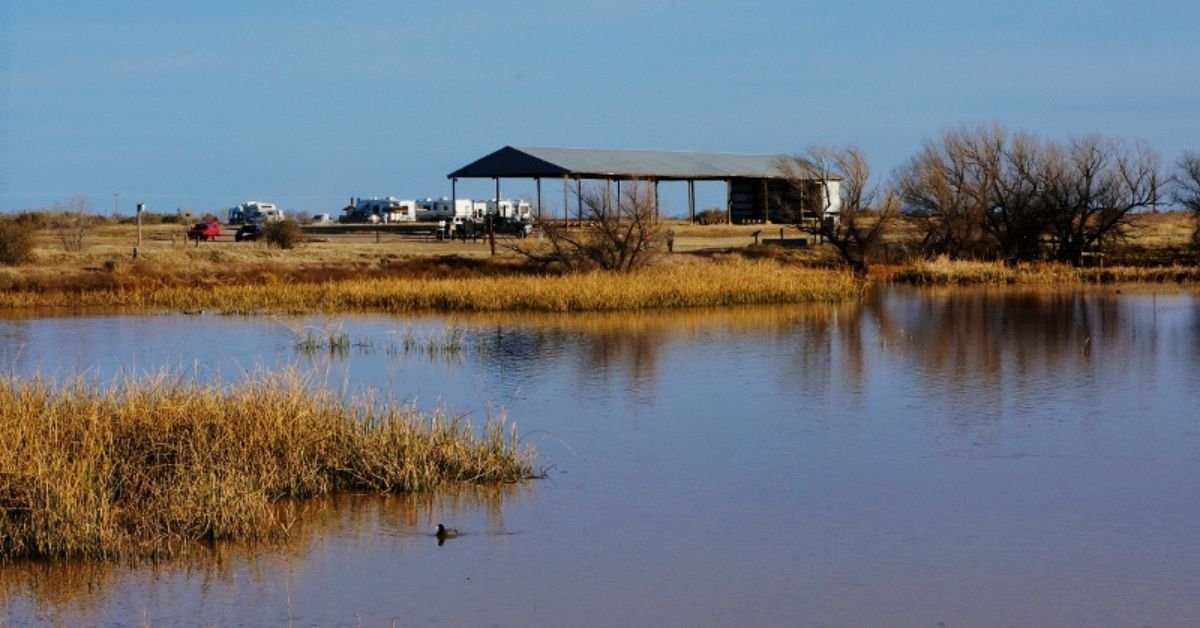
Whitewater Draw Wildlife Area sits in the heart of southeastern Arizona, tucked away in the Sulphur Springs Valley near the small community of McNeal. This remarkable place covers about 1,509 acres and is managed by the Arizona Game and Fish Department (AZGFD). It was once a working cattle ranch before the state purchased it in 1997 and transformed it into a thriving wildlife sanctuary.
Today, Whitewater Draw Wildlife Area is one of the most celebrated birding destinations in the entire American Southwest. It draws thousands of visitors every year who come to witness one of nature’s most spectacular shows — tens of thousands of sandhill cranes gathering to roost and feed across the wetlands and surrounding farmlands. The area features wetlands, native grasslands, and riparian patches that create the perfect environment for a wide variety of wildlife. Whether you love birds, reptiles, amphibians, or simply the beauty of open skies, this place will not disappoint you.
The History and Background of Whitewater Draw Wildlife Area
Before it became the amazing wildlife destination it is today, Whitewater Draw Wildlife Area was a private cattle ranch. The Arizona Game and Fish Department purchased the land in 1997 with a clear mission in mind. They wanted to restore the natural wetlands and create a safe space for migratory birds and other wildlife.
Since that purchase, AZGFD has worked hard to improve the land. They created viewing decks, interpretive trails, educational kiosks, and viewing scopes so that everyday visitors could enjoy the wildlife up close. They also managed the water levels carefully to produce ideal habitats, including marshland, mudflats, and open water areas.
The transformation has been a great success. What was once farmland is now one of the most globally important bird areas in Arizona. The area received that special recognition because of the enormous concentration of sandhill cranes and the many rare and threatened bird species that use it every year. It is a living example of what good conservation can achieve when land managers, volunteers, and nature lovers all work together.
The Star Attraction: Sandhill Cranes at Whitewater Draw
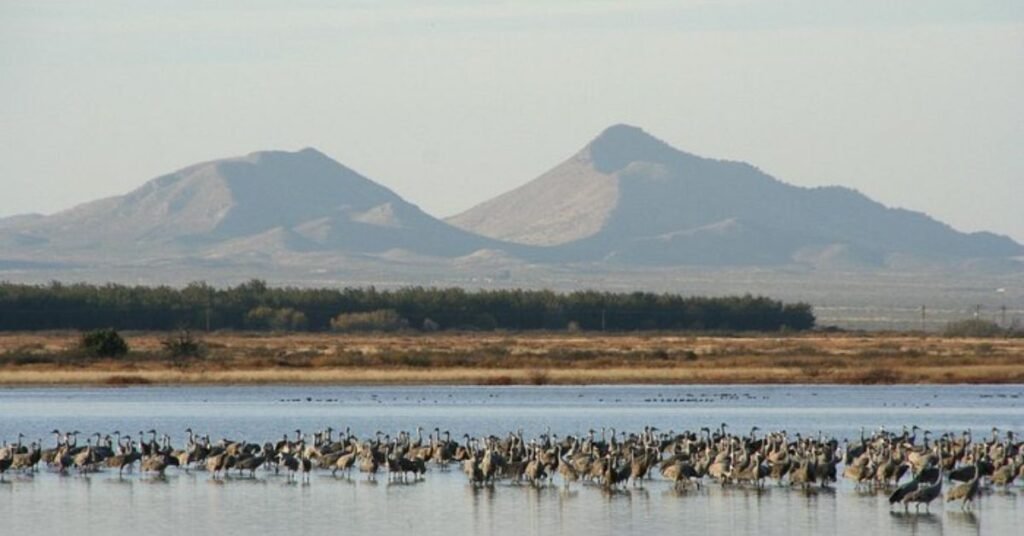
When most people hear the name Whitewater Draw Wildlife Area, they immediately think of one thing — sandhill cranes. And for good reason. Every fall and winter, over 20,000 sandhill cranes descend upon this wetland area to roost and feed. It is one of the largest crane gatherings anywhere in Arizona, and the sight is absolutely breathtaking.
Sandhill cranes begin arriving at Whitewater Draw in late October or early November. They stay through the winter months and then begin heading north again between late February and mid-March. By April, all the cranes have migrated back to their breeding grounds in northern states, Canada, and even parts of Alaska and Siberia.
Both the Lesser and Greater subspecies of sandhill cranes visit Whitewater Draw. The birds come from two major populations — the Rocky Mountain population and the Mid-Continental population. Watching thousands of these large, noisy birds take off at sunrise or return to roost before sunset is an experience that people describe as one of the most moving things they have ever seen in nature. The sound alone — a loud, rolling, bugling call — fills the air and stays with you long after you leave.
Best Time to Visit Whitewater Draw Wildlife Area
Timing your visit to Whitewater Draw Wildlife Area makes all the difference. Here is a simple seasonal guide to help you plan your trip:
| Season | Months | What to Expect |
| Fall | October – November | Cranes begin arriving, waterfowl present |
| Winter | December – February | Peak crane numbers, up to 20,000+ birds |
| Spring | March – April | Cranes depart, shorebirds and ducks arrive |
| Summer | May – September | Fewer birds, wetlands may dry up |
Winter is by far the best time to visit, especially January, when crane numbers are at their highest. The mornings and evenings are the most exciting times to be there.
The best time of day to see the sandhill cranes is 30 minutes before and after sunrise. This is when the birds leave the wetland to fly out to nearby agricultural fields to feed. They usually return before noon and spend the rest of the day loafing around the water. If you cannot make it at sunrise, arriving between 10 AM and noon is also excellent, as you can watch huge groups of cranes flying back in formation.
Birds You Can Spot at Whitewater Draw Wildlife Area
Whitewater Draw Wildlife Area is an official Important Bird Area at both the state and global levels. Beyond the famous sandhill cranes, the site hosts an incredible variety of birds throughout the year.
Waterfowl and Wetland Birds
The ponds and wetlands attract many species of ducks and water birds. You can spot Mallards, Northern Pintails, Cinnamon Teal, Green-winged Teal, Blue-winged Teal, Northern Shoveler, American Wigeon, Mexican Duck, Canada Goose, and Lesser Scaup. During wet years, even more species show up in large numbers. Snow Geese and Ross’s Geese also appear occasionally, adding to the visual spectacle.
Raptors and Birds of Prey
The Sulphur Springs Valley is one of the top raptor hotspots in the entire American Southwest during winter. At Whitewater Draw, you have a real chance of seeing Bald Eagles, Golden Eagles, Prairie Falcons, Peregrine Falcons, Ferruginous Hawks, Red-tailed Hawks, Northern Harriers, Cooper’s Hawks, American Kestrels, and even the occasional Merlin or Rough-legged Hawk. Owls are also present, with Barn Owls commonly nesting in the old pole barn near the parking area.
Songbirds and Sparrows
Multiple species of sparrows winter here, including Lark Sparrow, Vesper Sparrow, White-crowned Sparrow, Lincoln’s Sparrow, and Cassin’s Sparrow. Flycatchers are also well represented, with the colorful Vermilion Flycatcher, Say’s Phoebe, and Black Phoebe all making regular appearances. The Common Yellowthroat and Marsh Wren are easy to find near the water’s edge.
Rare and Notable Species
Two species of particular conservation concern visit the area in winter and migrate. The Mountain Plover, listed as vulnerable, shows up occasionally in the cut alfalfa fields along Davis Road. The Long-billed Curlew passes through during spring and fall migration. The area also hosts Abert’s Towhee and Bendire’s Thrasher, both considered specialty birds of the region.
Wildlife Beyond Birds at Whitewater Draw
Whitewater Draw Wildlife Area is not just for birdwatchers. The wetlands and grasslands support a surprisingly wide variety of other wildlife.
Amphibians
One of the most unique residents of Whitewater Draw is the plains leopard frog. This species is one of the most narrowly distributed leopard frogs in Arizona, and the population here is the healthiest and most stable of all known Arizona populations. Other amphibians found here include the Green Toad, Great Plains Toad, Mexican Spadefoot, and the Sonoran Desert Toad. These creatures breed in the draw and add an important ecological dimension to the wetland.
Reptiles
Several reptile species call this area home. Common ones include the Western Hog-nosed Snake, Gophersnake, Nightsnake, Desert Kingsnake, Common Side-blotched Lizard, Texas Horned Lizard, and the Southwestern Fence Lizard. One especially unusual creature you might encounter is the Whip-scorpion, also called a vinegaroon. This fascinating invertebrate is commonly seen after sunset on paved roadways near the wildlife area.
Mammals
Javelinas, Mule Deer, Black-tailed Jackrabbits, and Desert Cottontails are regularly spotted in and around the area. The surrounding agricultural landscape also supports Mule Deer feeding in the fields, especially in the early morning hours.
Trails and Visitor Facilities at Whitewater Draw Wildlife Area
Whitewater Draw Wildlife Area is designed to be welcoming and accessible for all kinds of visitors. The trail system is simple but very effective.
The Main Trail
The main path at Whitewater Draw is a 0.8-mile loop that winds around the wetland area. AllTrails rates it as an easy route with only about 9 feet of elevation gain. Most people complete it in about 14 minutes, though birdwatchers often spend much longer. The trail features two elevated viewing platforms that put you right at the edge of the water for close-up crane and waterfowl viewing.
Viewing Platforms and Scopes
The site has designated viewing decks with spotting scopes, so you can get detailed looks at birds even from a distance. Benches are placed at strategic points along the trail so you can sit comfortably and watch the action unfold around you.
Educational Kiosk
Near the entrance, an interpretive kiosk explains the habitat, the wildlife, and the conservation story behind the area. It is a great stop for families with children and anyone who wants to understand why this place matters so much for Arizona’s wildlife.
Camping at Whitewater Draw Wildlife Area
Free dispersed camping is available at Whitewater Draw Wildlife Area. Campers can use the pullout spots along a dirt road loop, and there is also an overflow camping area for busier periods. The facilities are basic — pit toilets, picnic tables, and a small dumpster. There are no water hookups, so come fully prepared. RVs up to 50 feet can access the main loop. During peak crane season, spots fill up quickly, so arriving early is a smart move.
How to Get to Whitewater Draw Wildlife Area
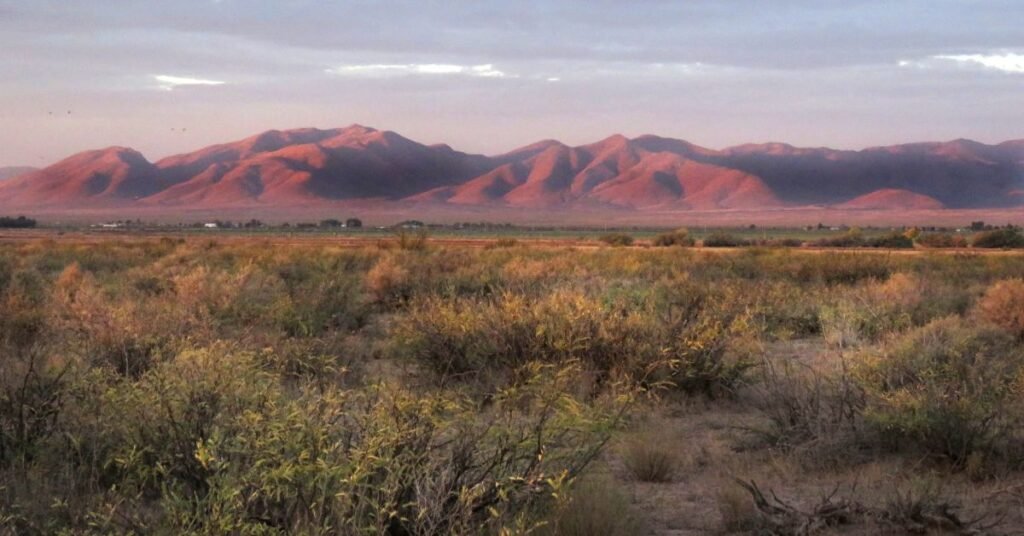
Getting to Whitewater Draw Wildlife Area requires a short drive on dirt roads, but it is entirely manageable for most vehicles. Here are the directions:
From Tucson: Take I-10 East toward El Paso, then merge onto AZ-80 East toward Tombstone and Douglas. Continue to McNeal and take US-191. Drive west on Davis Road for 3 miles to Coffman Road. Turn south on Coffman Road and follow the signs for about 2 miles. Turn west into the parking area and trailhead on the right.
Important Note: After rain, the dirt roads and trails can become very muddy and slippery. Use caution and wear appropriate footwear. Mud can cling heavily to shoes on the dike paths, so waterproof boots are a smart choice during wet weather.
The nearest towns for gas and food are Tombstone and Elfrida. Plan, as the wildlife area itself has no food or drink services.
Read for more info: https://wildtrailsapp.com/national-wildlife-day/
Conservation at Whitewater Draw Wildlife Area
The Arizona Game and Fish Department manages Whitewater Draw Wildlife Area with clear conservation goals. The primary mission is to protect and enhance the sensitive wetland, grassland, and riparian habitats. This directly benefits waterfowl, migratory birds, native amphibians, and reptiles.
More than 600 acres of the property are intermittently flooded to keep the wetlands healthy. Large portions of native grassland are also being actively rehabilitated to restore their natural condition. The surrounding agricultural landscape adds value too — nearby farm fields of corn, alfalfa, and milo provide cranes and other birds with rich feeding opportunities that complement the roosting habitat at the draw.
AZGFD also runs live-streaming webcams at the site, so people who cannot visit in person can still watch the cranes and other wildlife from home. A second camera focuses on a barn owl nesting box, giving viewers a rare look into owl family life.
Visitors play an important role in conservation too. Following Leave No Trace principles, staying on designated trails, avoiding disturbance of wildlife, and purchasing Arizona hunting or fishing licenses all help fund the continued management of places like Whitewater Draw.
Photography Tips for Whitewater Draw Wildlife Area
Whitewater Draw Wildlife Area is a dream location for wildlife photographers. The open wetland landscape, dramatic Arizona skies, and enormous numbers of birds offer endless creative opportunities.
Sunrise and sunset are the most photogenic times. The low golden light makes the cranes glow as they take off or land in huge numbers. For bird-in-flight photography, use a fast shutter speed and an autofocus mode that tracks moving subjects. Having a telephoto lens of at least 400mm gives you the reach you need to fill the frame with individual birds.
If you visit during peak crane season, try positioning yourself near the main viewing platform before first light. Watch and listen as the birds begin to stir. The sound builds to a roar, and then suddenly thousands of cranes take to the air at once. It is one of the most powerful moments that any nature photographer can experience. Visit on multiple days if possible, because each morning and evening offers a slightly different scene.
Conclusion
Whitewater Draw Wildlife Area is one of Arizona’s most precious natural treasures. From the thunderous morning flights of 20,000 sandhill cranes to the quiet sight of leopard frogs in the shallows, this remarkable place offers something for every nature lover. It is free to visit, easy to access, and unforgettable in every season.
Whether you are a seasoned birdwatcher, a casual nature lover, or a photographer looking for that perfect shot, Whitewater Draw Wildlife Area deserves a spot on your must-visit list. Plan your trip between October and February to catch the cranes at their best, arrive near sunrise for the most dramatic views, and take a moment to appreciate the conservation work that keeps this wild corner of southeastern Arizona alive and thriving.
Frequently Asked Questions About Whitewater Draw Wildlife Area
Q1: When is the best time to visit Whitewater Draw Wildlife Area?
The best time to visit Whitewater Draw Wildlife Area is between October and February, when sandhill cranes are present in their largest numbers. January is considered the peak month, with crane counts often exceeding 20,000 birds. The area is open year-round, but summer visits offer fewer wildlife sightings as many migratory species have departed.
Q2: Is there an entry fee for Whitewater Draw Wildlife Area?
No, entry to Whitewater Draw Wildlife Area is completely free. Camping is also free and available on a dispersed basis. However, facilities are very basic — pit toilets and picnic tables only — and there is no drinking water on site, so you must bring your own.
Q3: What time of day is best to see the sandhill cranes at Whitewater Draw?
The most exciting time is 30 minutes before and after sunrise, when the cranes leave the wetland to fly to nearby fields to feed. Another great window is between 10 AM and noon, when large groups return to the area after their morning feeding. The cranes usually stay at the water for the rest of the afternoon.
Q4: Can I bring my dog to Whitewater Draw Wildlife Area?
Pets are generally allowed at the wildlife area, but they must be kept on a leash at all times. This protects both the wildlife and your pet. Dogs that bark or run loose can disturb the cranes and other sensitive wildlife, so always keep your pet under control during your visit.
Q5: Are the roads to Whitewater Draw Wildlife Area accessible for all vehicles?
The access roads to Whitewater Draw Wildlife Area are unpaved dirt roads. They are manageable for most standard vehicles in dry conditions. However, after rain, the roads and trails can become very muddy and slippery. High-clearance or four-wheel-drive vehicles handle wet conditions better. Always check the weather before your visit and drive with caution on the dirt roads.