What Is National Wildlife Day?
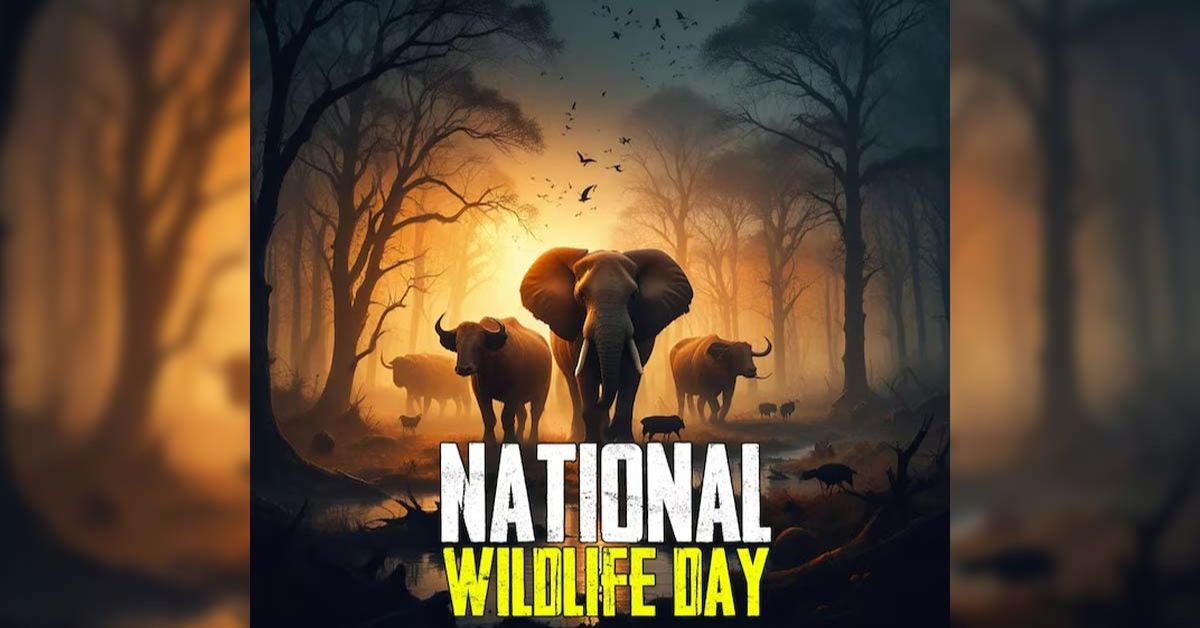
Every year on September 4, people observe National Wildlife Day to raise awareness about endangered animals, their shrinking habitats, and the urgent need to protect them. The day reminds us that wildlife is not just a part of nature — it is the backbone of healthy ecosystems across the entire planet.
Every creature, from the tiniest insect to the largest whale, plays a role in keeping nature balanced. When one species disappears, it affects others in ways we may not even notice right away. National Wildlife Day shines a light on this reality. It encourages people everywhere to learn, act, and make small changes that can have a big impact on the survival of our planet’s animals. Whether you are a student, a professional, or simply someone who loves nature, this day has something meaningful for you.
The History of National Wildlife Day
Colleen Paige, an animal behaviorist, philanthropist, and passionate advocate for animals and the environment, founded National Wildlife Day in 2005. Colleen created the day with one clear goal — to bring global attention to the growing number of endangered species and the desperate need for conservation efforts worldwide.
The original date chosen was September 4, and it holds deep emotional significance. On September 4, 2006, the world lost one of its most beloved wildlife conservationists — Steve Irwin, famously known as the “Crocodile Hunter.” Steve dedicated his entire life to wildlife education and conservation, inspiring millions of people around the world to love and protect animals. After his passing, Colleen Paige dedicated National Wildlife Day to honor his extraordinary legacy.
Later, Colleen also added February 22 as a second observance date — Steve Irwin’s birthday — so people could celebrate his life and contribution to conservation even more. Today, millions of animal lovers across the globe observe National Wildlife Day on both dates, uniting in support of wildlife conservation.
National Wildlife Day vs. World Wildlife Day
Many people confuse National Wildlife Day with World Wildlife Day. While both days focus on protecting animals, they are completely different observances. The table below explains the key differences clearly:
| Feature | National Wildlife Day | World Wildlife Day |
| Date | September 4 (and February 22) | March 3 |
| Founded By | Colleen Paige | United Nations General Assembly |
| Founded In | 2005 | 2013 (first celebrated in 2014) |
| Focus | Endangered species and conservation | All wild fauna and flora globally |
| Backed By | Animal advocacy organizations | United Nations (CITES) |
| Primary Goal | Awareness and action for wildlife | Celebrate and protect biodiversity |
Both days are important, and both deserve your attention. However, National Wildlife Day carries a deeply personal story rooted in the memory of Steve Irwin and the work of Colleen Paige.
Why National Wildlife Day Matters
National Wildlife Day is not just a day on the calendar. It is a call to action for every person on Earth. The numbers around wildlife decline are alarming, and they demand attention.
According to the WWF Living Planet Report 2024, wildlife populations around the world have dropped by a staggering 73% since 1970. This decline covers nearly 35,000 vertebrate populations across 5,495 species. The steepest fall is seen in freshwater populations, which have dropped by 85%. Marine species follow with a 56% decline, and land animals have declined by 69%.
Habitat loss, driven largely by agriculture, deforestation, and urban expansion, remains the biggest threat to wildlife. Climate change adds another layer of danger, pushing species out of their natural ranges and reducing their food sources. National Wildlife Day draws attention to these facts and pushes us all to think about what we can do — individually and collectively — to reverse these trends before it is too late.
Threats Facing Wildlife Today
To truly understand why National Wildlife Day is so important, we need to look at the real threats animals face every single day. These are not distant problems. They are happening right now.
Habitat Loss and Deforestation
When forests are cleared for farming or cities, animals lose their homes. Food production alone is the leading cause of habitat loss globally. Animals that once roamed freely are now squeezed into smaller and smaller spaces. This increases conflict between humans and wildlife, and it pushes many species toward extinction.
Climate Change
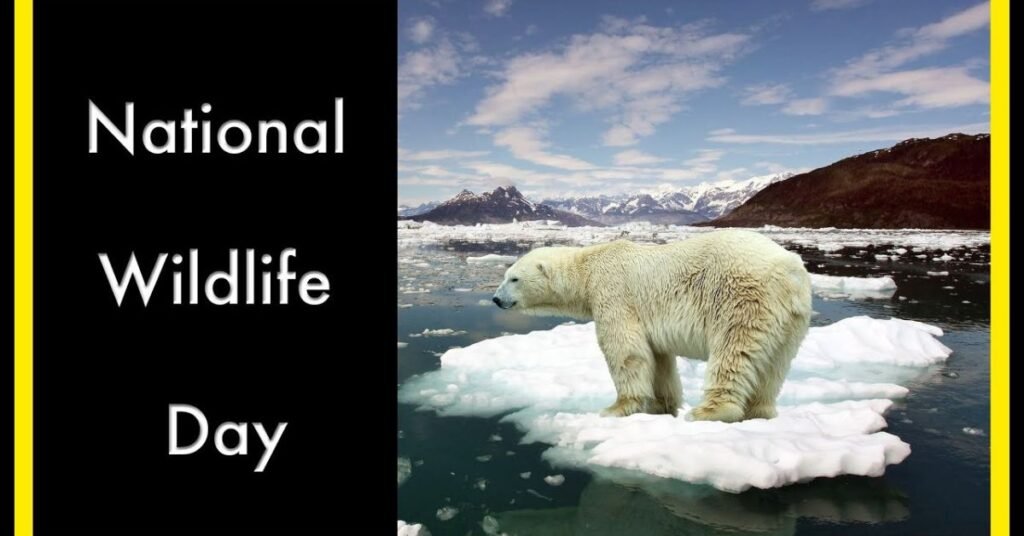
Rising temperatures are changing the world in ways that many animals simply cannot adapt to quickly enough. Polar bears lose their sea ice. Coral reefs bleach and die as ocean temperatures rise. Fish migrate to new areas, disrupting entire food chains. Climate change is now one of the fastest-growing threats to biodiversity worldwide.
Illegal Wildlife Trade
Poaching and the illegal trade of animals and animal parts remain a massive problem. Elephants are killed for their ivory. Rhinos are poached for their horns. Tigers, sea turtles, and many other species are targeted illegally every year. National Wildlife Day highlights the importance of international laws and local enforcement to stop this criminal activity.
Pollution
Plastic waste, chemical pollution, and oil spills destroy marine and land ecosystems. Animals consume plastic, get tangled in waste, or lose their food sources because of contaminated water. Pollution is a silent but deadly threat to wildlife around the globe.
Endangered Species We Must Protect
National Wildlife Day brings special focus to the animals that need our help the most. The IUCN Red List currently lists over 48,646 species as threatened with extinction. Some of the most well-known endangered species include:
| Animal | Status | Primary Threat |
| Amur Leopard | Critically Endangered | Poaching, habitat loss |
| Sumatran Orangutan | Critically Endangered | Deforestation |
| African Elephant | Endangered | Ivory poaching |
| Blue Whale | Endangered | Ship strikes, climate change |
| Snow Leopard | Vulnerable | Climate change, poaching |
| Sea Turtle | Endangered | Plastic pollution, fishing nets |
| Mountain Gorilla | Endangered | Habitat destruction |
Each of these animals plays a unique role in its ecosystem. When they disappear, the entire system suffers. National Wildlife Day reminds us that protecting these animals is not just about saving them — it is about saving ourselves and the natural world we all depend on.
The Role of Steve Irwin in Wildlife Conservation
No article about National Wildlife Day is complete without honoring the man at the heart of it — Steve Irwin. Born on February 22, 1962, in Australia, Steve grew up surrounded by reptiles and wildlife. His parents ran a reptile park, and from a young age, Steve developed a deep love and respect for all animals — even the ones most people feared.
Steve went on to become one of the most recognized wildlife conservationists in the world. Through his television series, The Crocodile Hunter, he brought the wonders of wildlife into living rooms across the globe. He made people care about crocodiles, snakes, spiders, and every creature that many considered dangerous or unlovable.
Steve Irwin purchased large areas of land in Australia to protect animal habitats. He advocated for conservation policies and inspired a generation of nature lovers. His sudden death on September 4, 2006, from a stingray barb, shocked the world. His legacy lives on through Australia Zoo, his family’s continued conservation work, and of course, through National Wildlife Day itself.
How to Celebrate National Wildlife Day
The best part about National Wildlife Day is that everyone can participate — no matter where you live or how much time you have. Here are some meaningful ways to mark the day:
Visit a Zoo, Aquarium, or Wildlife Sanctuary
Many zoos and wildlife sanctuaries organize special events on National Wildlife Day. They host presentations, behind-the-scenes tours, and educational programs. Visiting these places is a wonderful way to learn about animals up close and support conservation efforts financially.
Volunteer for a Conservation Organization
You can give your time to local wildlife organizations. Help with habitat restoration, clean-up drives at beaches and parks, or assist at an animal shelter. Even a few hours of your time make a real difference in protecting local wildlife and ecosystems.
Support Conservation Through Donations
If you cannot volunteer, you can donate to trusted conservation groups like WWF, IUCN, or Wildlife Conservation Society. Even a small monthly donation helps fund critical research, anti-poaching efforts, and habitat protection programs around the world.
Educate Yourself and Others
Read books, watch documentaries, or take online courses about wildlife conservation. Share what you learn on social media using the hashtag #NationalWildlifeDay. Teaching others is one of the most powerful ways to drive change.
Plant Native Plants in Your Garden
Planting native plants in your yard or community creates small but important habitats for local birds, insects, and small animals. Native plants provide food and shelter, especially in urban areas where green spaces are rapidly disappearing.
Adopt an Animal Symbolically
Many conservation organizations offer symbolic animal adoption programs. You pay a small fee, and the money goes toward protecting that species in the wild. You receive a certificate, a photo, and information about “your” animal. It makes a great gift, too!
Reduce Plastic Use
Plastic waste is one of the biggest threats to marine wildlife. On National Wildlife Day, commit to reducing your single-use plastic consumption. Carry a reusable bag, use a metal straw, and dispose of waste responsibly. These small habits, multiplied by millions of people, create enormous positive change.
Read it for more info: https://wildtrailsapp.com/hovatters-wildlife-zoo/
National Wildlife Day and Children
National Wildlife Day is a fantastic opportunity to teach children about nature and animals. When kids learn to love and respect wildlife from an early age, they grow up to become responsible stewards of the planet.
Schools can organize essay writing contests, poster-making activities, and nature walks on this day. Teachers can show wildlife documentaries like Planet Earth or Blue Planet to spark curiosity. Parents can take their children to zoos, parks, or nature reserves to experience wildlife firsthand.
Encouraging children to adopt an animal symbolically or start a small fundraiser teaches them empathy and action. National Wildlife Day gives young people a platform to raise their voice for the voiceless creatures that share our world.
The Connection Between Wildlife and Human Life
Many people see wildlife conservation as something separate from their daily lives. But the truth is, wildlife and human well-being are deeply connected. Healthy ecosystems provide us with clean air, clean water, food, and medicines. Forests regulate the climate. Bees and other pollinators help grow the food we eat.
When wildlife suffers, we suffer too. The loss of biodiversity weakens the natural systems that keep our planet livable. National Wildlife Day helps us understand this connection. It reminds us that protecting wildlife is not an act of charity — it is an act of self-preservation. Every species we save, every habitat we protect, and every child we educate about nature is an investment in the future of humanity itself.
Key Facts About National Wildlife Day
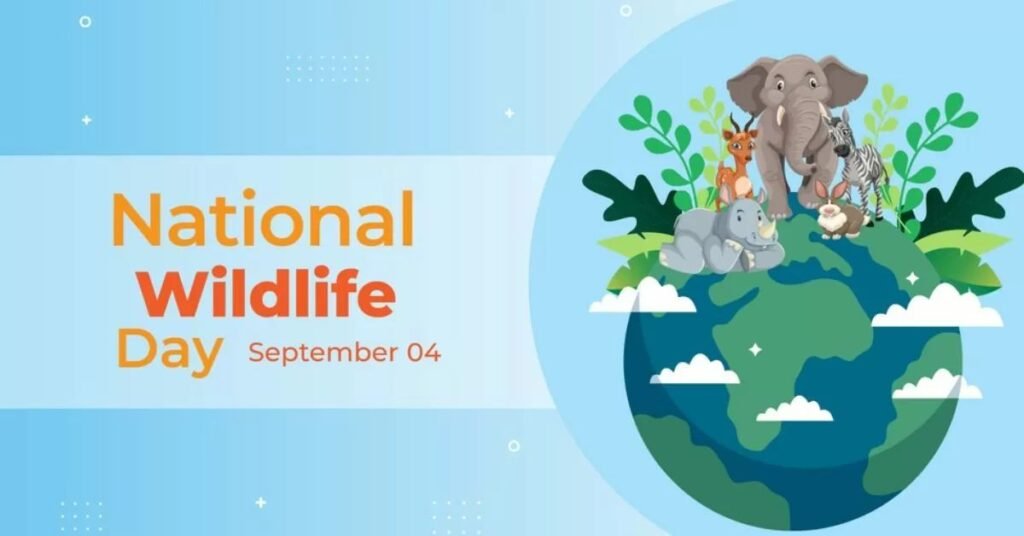
Here is a quick summary of the most important facts about National Wildlife Day:
| Fact | Detail |
| Date | September 4 (and February 22) |
| Founded By | Colleen Paige |
| Year Founded | 2005 |
| Dedicated To | Steve Irwin (Crocodile Hunter) |
| Primary Purpose | Raise awareness for endangered species |
| Wildlife Population Decline | 73% since 1970 (WWF 2024 Report) |
| Species Threatened | Over 48,646 (IUCN Red List 2025) |
| Freshwater Wildlife Decline | 85% since 1970 |
Conclusion
National Wildlife Day is more than a calendar event — it is a global reminder that the planet’s wildlife is in crisis and that every one of us has a role to play. From the towering elephants of Africa to the tiny bees in your backyard, every creature matters. Every species lost weakens the thread of life that connects us all.
The work of people like Colleen Paige and Steve Irwin shows us what passion, dedication, and love for animals can achieve. On September 4 — and every day — we can honor that spirit by making smarter choices, supporting conservation efforts, and spreading awareness about the urgent need to protect our wildlife.
The animals cannot speak for themselves. But we can. Let National Wildlife Day be the moment you decide to use your voice for them.
Frequently Asked Questions (FAQs)
Q1. When is National Wildlife Day celebrated? National Wildlife Day is celebrated on September 4 every year. It is also observed on February 22, which is the birthday of wildlife conservationist Steve Irwin. Both dates honor wildlife and encourage people to support conservation efforts.
Q2. Who founded National Wildlife Day? National Wildlife Day was founded by Colleen Paige, an animal behaviorist and philanthropist, in 2005. She created the day to raise awareness about endangered species and to honor the memory of Steve Irwin after his death in September 2006.
Q3. What is the difference between National Wildlife Day and World Wildlife Day? National Wildlife Day (September 4) was created by Colleen Paige in 2005 and focuses on endangered species and conservation action. World Wildlife Day (March 3) was established by the United Nations in 2013 and celebrates all wild animals and plants globally. They are two separate observances with different origins and scopes.
Q4. How can I participate in National Wildlife Day? You can participate in National Wildlife Day by visiting a zoo or wildlife sanctuary, volunteering with a conservation group, donating to wildlife organizations, planting native plants, reducing plastic waste, sharing awareness on social media, or symbolically adopting an endangered animal. Every action, big or small, makes a difference.Q5. Why is it important to protect endangered wildlife? Protecting endangered wildlife is critical because every species plays a role in maintaining ecological balance. When animals disappear, food chains break, ecosystems weaken, and natural services like clean water, clean air, and pollination are lost. Saving wildlife ultimately means protecting the health and future of our own human civilization.