What Are Wildlife Grains and Why Do They Matter?
Wildlife grains are specially selected grain blends used to feed, attract, and nourish wild animals. These grains serve as a reliable food source for deer, birds, turkeys, waterfowl, and many other species. Whether you are a hunter, a wildlife enthusiast, or a conservationist, understanding wildlife grains can make a huge difference in how you manage your land.
Wild animals need a steady supply of energy-rich food throughout the year. Natural food sources like berries, nuts, and grasses are not always available. This is where wildlife grains step in. They fill the nutritional gap when nature falls short. They provide carbohydrates, protein, fat, and essential minerals that animals need to survive harsh seasons and reproduce successfully.
Using the right wildlife grains also helps you attract more animals to specific areas. Hunters use them to draw deer and turkeys to food plots. Nature lovers use them to bring birds and squirrels to their backyard feeders. Either way, wildlife grains play a key role in building a healthy and active wildlife population on your property.
Types of Wildlife Grains You Should Know
Not all wildlife grains are the same. Different grain types offer different levels of nutrition and attract different species. Knowing which grain works best for your goals will save you time and money.
| Grain Type | Primary Wildlife Attracted | Best Season | Key Benefit |
| Corn | Deer, turkeys, ducks, jays | Fall, Winter | High energy, long-lasting |
| Oats | Deer, turkeys, game birds | Fall | Palatable, fast-germinating |
| Wheat | Deer, turkeys, waterfowl | Fall, Winter | High protein, easy to grow |
| Millet | Birds, doves, sparrows, ducks | Year-round | Inexpensive, widely accepted |
| Soybeans | Deer, turkeys, small game | Summer, Fall | Very high protein |
| Sorghum | Turkeys, ducks, deer | Fall, Winter | Drought-resistant, energy-rich |
| Sunflower Seeds | Birds, squirrels, deer | Year-round | High fat, loved by songbirds |
| Rye | Deer, game birds | Fall, Winter | Cold-hardy, good ground cover |
Each of these wildlife grains brings something unique to the table. The best approach is to use a mix of several types so you attract a wider variety of animals and provide better overall nutrition.
Wildlife Grains for Deer: What Works Best
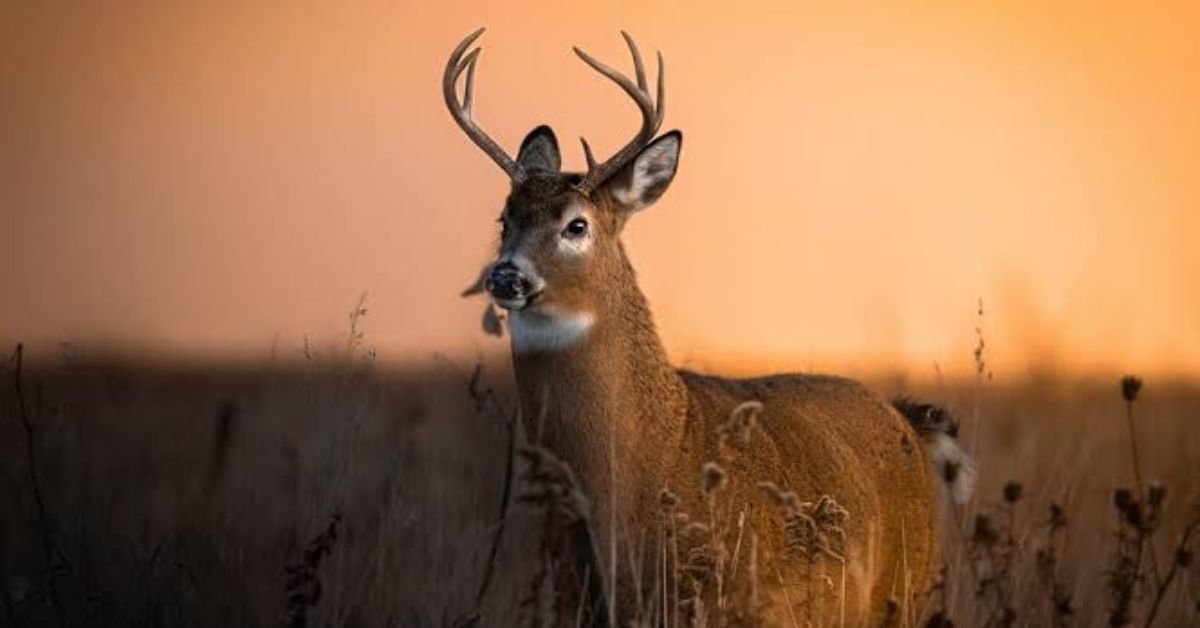
Deer are one of the most popular animals people want to attract using wildlife grains. Deer need a diet rich in protein, carbohydrates, and minerals. The right mix of grains can support antler growth, improve body weight, and boost fawn survival rates.
Corn is one of the most well-known wildlife grains for deer. It is high in carbohydrates and very attractive to deer, especially during the late season when temperatures drop. Deer will travel long distances to find a standing corn plot. However, corn alone does not provide complete nutrition, so you should always mix it with other grains or legumes.
Oats are another excellent choice. Cereal grains like oats are very attractive to whitetails during the hunting season. Deer love the tender green shoots that grow during the first weeks after germination. This makes oats a great option for early-season hunting plots. The key is to time your planting so the most palatable growth stage falls during your hunting window.
Soybeans offer the highest protein content of all common wildlife grains for deer. Deer heavily browse the leaves during summer when they are in velvet. Later, the mature soybean grain provides a high-energy food source deep into the winter. Planting soybeans alongside corn gives deer both summer nutrition and late-season energy in one plot.
Wildlife Grains for Birds and Turkeys
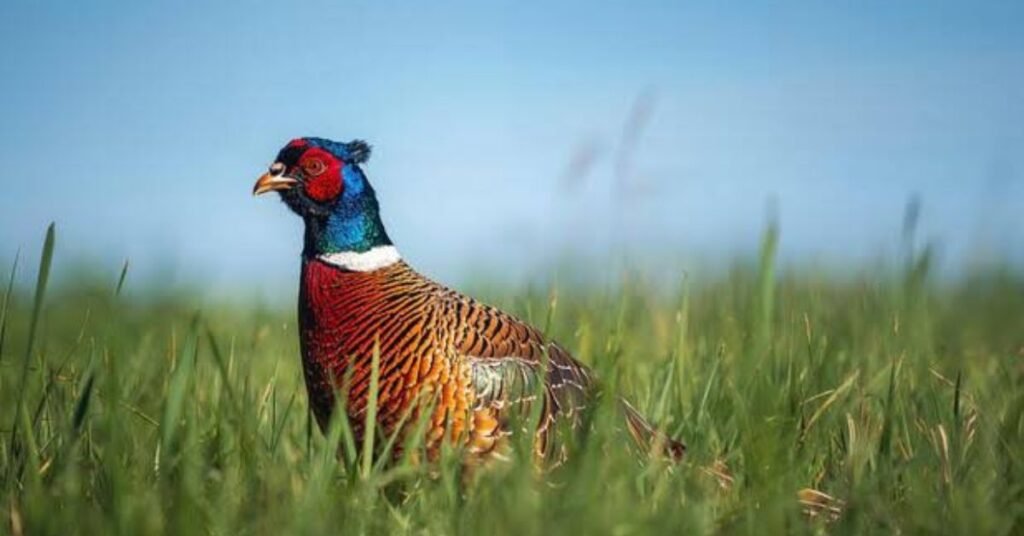
Birds and turkeys also benefit greatly from wildlife grains. Wild turkeys eat a wide variety of plant and animal foods, and grains form a major part of their diet during fall and winter. Understanding which grains to use can help you attract and hold turkey flocks on your property all season long.
Corn is a favorite food of many birds. Whole or coarsely cracked corn grains work well for larger birds like blue jays, ducks, geese, quail, and wild turkeys. Turkeys flock to waste grain in cut corn and sorghum fields during winter. You can plant standing corn specifically for turkeys and leave it unharvested to give them a reliable winter food source.
Millet is one of the most effective wildlife grains for attracting songbirds. White proso millet attracts ground-feeding birds like doves, juncos, and sparrows. Northern bobwhite and waterfowl, like mallard ducks, also eat millet readily. It is inexpensive, stores well, and appeals to a huge range of bird species.
Sunflower seeds are perhaps the single most effective grain for backyard birds. They attract chickadees, cardinals, finches, nuthatches, and grosbeaks. Black-oil sunflower seeds are especially preferred because they have thin shells and high fat content, making them easy for small birds to open and digest.
Sorghum and milo attract turkeys, doves, and several other game birds. Turkeys gather in large flocks in farm country during winter and feed on waste grains from harvested sorghum fields. If you plant sorghum in your food plot, you give turkeys a reliable grain source that can last well into the cold months.
Wildlife Grains for Waterfowl
Waterfowl have specific nutritional needs, and the right wildlife grains can attract ducks and geese to your property or pond. Feeding waterfowl the right grains promotes health and avoids the common problems caused by feeding them bread or processed foods.
Grains, including wheat, barley, and oats, are all healthy food sources that appeal to most waterfowl. These grains provide carbohydrates for energy and protein for healthy feather and muscle development. Millet is also a top choice for attracting mallard ducks and other water birds.
If you want to attract waterfowl naturally, planting grain crops near water sources is very effective. Ducks and geese actively seek out grain-rich areas close to ponds, lakes, and rivers. A small planting of millet or wheat near a water edge can quickly become a busy waterfowl hotspot.
It is important to offer bite-sized grains to avoid choking hazards for smaller ducks. Also, be careful not to overfeed, as concentrating too many birds in one area increases the risk of disease transmission.
Blue Seal Wildlife Grains: A Popular Multi-Grain Mix
One of the most well-known commercial wildlife grain products is Blue Seal Wildlife Grains. It is a blend of multiple grain sources coated in molasses with an added cherry flavoring. This combination makes it broadly accepted by more species than plain corn or single-grain products.
The molasses coating gives the mix a rich, sweet aroma that attracts animals from a distance. The cherry flavoring adds extra palatability. The no-pellet formula means less waste in wet weather because pellets often break apart and rot in rain or snow, while whole grains stay intact much longer.
Blue Seal Wildlife Grains also contains added fortification not found in whole or cracked corn alone. This makes it a more complete feed rather than just an attractant. If you want to offer deer and other wildlife something nutritious and highly attractive, a commercial multi-grain blend like this is a smart choice.
How to Use Wildlife Grains in Food Plots
A food plot is a piece of land planted with crops specifically to attract and feed wildlife. Wildlife grains are the foundation of the most effective food plots. Here are the key steps to creating a successful grain food plot.
Choose the right location. Pick a spot with good soil, adequate sunlight, and easy access for wildlife. Place your food plot at least half a mile from roads and residential areas to keep wildlife safe and reduce conflicts with people.
Test your soil. Soil pH has a huge impact on how well your grains grow. Most grains prefer a pH between 6.0 and 7.0. If your soil is too acidic, add lime before planting. A simple soil test from your local cooperative extension office will tell you exactly what your soil needs.
Select your grain blend. Mix several types of wildlife grains for the best results. A combination of cereal grains like oats and rye, together with corn and clover, provides food across multiple seasons. This keeps deer and other wildlife returning to your plot again and again.
Time your planting correctly. Cereal grains like oats are palatable right after germination for about their first 50 days of growth. Plant them late enough so this prime feeding window falls during your hunting season, but early enough to get a decent stand before cold weather arrives.
Maintain your plot. Keep weeds under control and monitor for overgrazing. If deer eat your plot too fast, consider expanding the plot size or planting in stages so new growth is always available.
Read for more info: https://wildtrailsapp.com/sioux-city-iowa-wildlife/
Nutritional Value of Common Wildlife Grains
Understanding the nutrition in wildlife grains helps you choose the right blend for your goals. Some grains are high in protein to support antler growth and reproduction. Others are high in carbohydrates to give animals the energy they need to survive winter.
| Wildlife Grain | Protein % | Fat % | Carbohydrate % | Best For |
| Soybeans | 34–38% | 18% | 30% | Deer (antler growth, muscle) |
| Wheat | 12–15% | 2% | 70% | Deer, birds, turkeys |
| Oats | 11–13% | 5% | 66% | Deer, turkeys, game birds |
| Corn | 8–10% | 4% | 74% | All species (energy) |
| Millet | 10–12% | 4% | 70% | Birds, doves, waterfowl |
| Sunflower Seeds | 16–20% | 48% | 20% | Birds, squirrels |
| Sorghum | 9–11% | 3% | 72% | Turkeys, doves, ducks |
Protein is especially important during the antler growth season in summer and early fall. Carbohydrates become more critical in late fall and winter when animals need extra energy to stay warm. A well-balanced wildlife grain blend addresses both of these needs across the full year.
Tips for Storing and Managing Wildlife Grains
Proper storage of wildlife grains is just as important as choosing the right type. Poor storage leads to mold, pest infestations, and reduced nutritional value. Always store your grains in a cool, dry place away from moisture and direct sunlight.
Use sealed containers or bins to keep pests like mice and insects out. Metal bins work especially well because rodents cannot chew through them. Check your stored grains regularly for signs of mold or unusual odors. Moldy grain can cause serious illness in wildlife and should never be offered to animals.
When offering wildlife grains in feeders or on the ground, scatter only what animals will eat in a day or two. Leaving large amounts of grain sitting out attracts unwanted pests like raccoons and can cause the grain to spoil quickly. Scatter-feeding also prevents overconcentration of animals, which reduces the risk of disease transmission between individuals.
Common Mistakes to Avoid When Using Wildlife Grains
Many people make simple mistakes when feeding wildlife with grains. Avoiding these errors will give you much better results and keep your local wildlife healthy.
Using only corn. Corn is popular and easy to find, but it lacks many key nutrients. A diet of pure corn can actually cause health problems in deer if they rely on it too heavily in winter. Always combine corn with protein-rich grains like soybeans or wheat.
Planting grains in shaded areas. Most wild grains need full sunlight to grow well. Planting in deep shade leads to poor germination and weak plants. Choose open areas or forest edges where sunlight reaches the ground for most of the day.
Ignoring local laws. In many states, putting out grain or bait near a hunting area is considered baiting and is illegal. Always check your local wildlife regulations before setting up grain feeders or bait piles for hunting purposes. Food plots are generally legal, but loose grain placed near a stand may not be.
Overfeeding in one spot. Concentrating wildlife in a small area by overfeeding creates risks. Disease spreads faster when animals crowd together at a single feed site. Spread your grain offering across multiple locations to encourage natural movement and reduce disease risk.
Wildlife Grains and Conservation
Wildlife grains play a role that goes far beyond hunting and backyard bird feeding. They connect to broader conservation efforts that help maintain healthy wildlife populations across large landscapes.
Research has shown that providing supplemental grain sources on farm properties can actually help increase crop yields in surrounding areas. When wildlife have dedicated grain feeding areas, they do less damage to neighboring crops. This creates a win-win situation where both farmers and wildlife benefit.
Planting wildlife grains on private land also provides important habitat and food corridors for migrating birds and other species. A well-managed grain food plot can support dozens of different species, from deer and turkeys to songbirds and pollinators. This kind of habitat management at the property level contributes to biodiversity conservation on a much larger scale.
Conclusion
Wildlife grains are one of the most effective and versatile tools available to hunters, wildlife managers, and nature enthusiasts. Whether you want to attract deer to your hunting plot, bring songbirds to your backyard feeder, or support wild turkeys through a tough winter, the right combination of wildlife grains will get the job done.
The key is to understand what different animals need at different times of year. Use a variety of wildlife grains to provide balanced nutrition across all seasons. Store your grain properly, follow local regulations, and manage your feeding areas responsibly. With a little knowledge and effort, wildlife gardens can transform your property into a thriving habitat that supports and sustains wildlife for years to come.
Frequently Asked Questions (FAQs)
Q1. What are the best wildlife grains for attracting deer?
The best wildlife grains for deer include corn, oats, soybeans, wheat, and rye. Corn provides high energy for late-season feeding. Oats and wheat attract deer during early fall because of their tender green shoots. Soybeans offer the highest protein and are excellent for supporting antler growth during summer. A mix of all these grains across your food plot gives deer balanced nutrition and keeps them coming back throughout the season.
Q2. Can I use wildlife grains for backyard bird feeding?
Yes, absolutely. Several wildlife grains work perfectly for backyard bird feeding. Black-oil sunflower seeds are the top choice for most songbirds. White proso millet attracts doves, sparrows, and juncos. Cracked corn brings in larger birds like blue jays, turkeys, and ducks. Always use fresh, mold-free grain and offer only what the birds can eat in a day or two to keep feeding areas clean and safe.
Q3. How do I store wildlife grains to keep them fresh?
Store wildlife grains in a cool, dry location away from moisture and direct sunlight. Use sealed metal or heavy-duty plastic bins to prevent rodents and insects from getting in. Check your stored grain regularly for any signs of mold, clumping, or bad smell. Discard any grain that appears moldy, as it can cause illness in the animals that eat it. Properly stored grain can last several months without losing quality.
Q4. Is it legal to use wildlife grains for deer hunting?
Laws on using wildlife grains for hunting vary widely by state and country. Planting food plots with grains is generally legal in most states and is not considered baiting. However, placing loose grain, corn piles, or bait near a hunting stand is illegal in many areas. Always check your local wildlife regulations before using any grain attractant near a hunting location to avoid fines or violations.
Q5. What wildlife grains are best for wild turkeys?
Wild turkeys do well on a variety of wildlife grains, including corn, sorghum, milo, sunflower seeds, oats, and wheat. Turkeys particularly love the tender shoots of newly sprouted cereal grains like wheat and oats in early fall. During winter, standing corn and sorghum plots are extremely effective at holding turkey flocks on your property. A diverse mix of grains planted in food plots will attract and support turkeys across all seasons.