Introduction
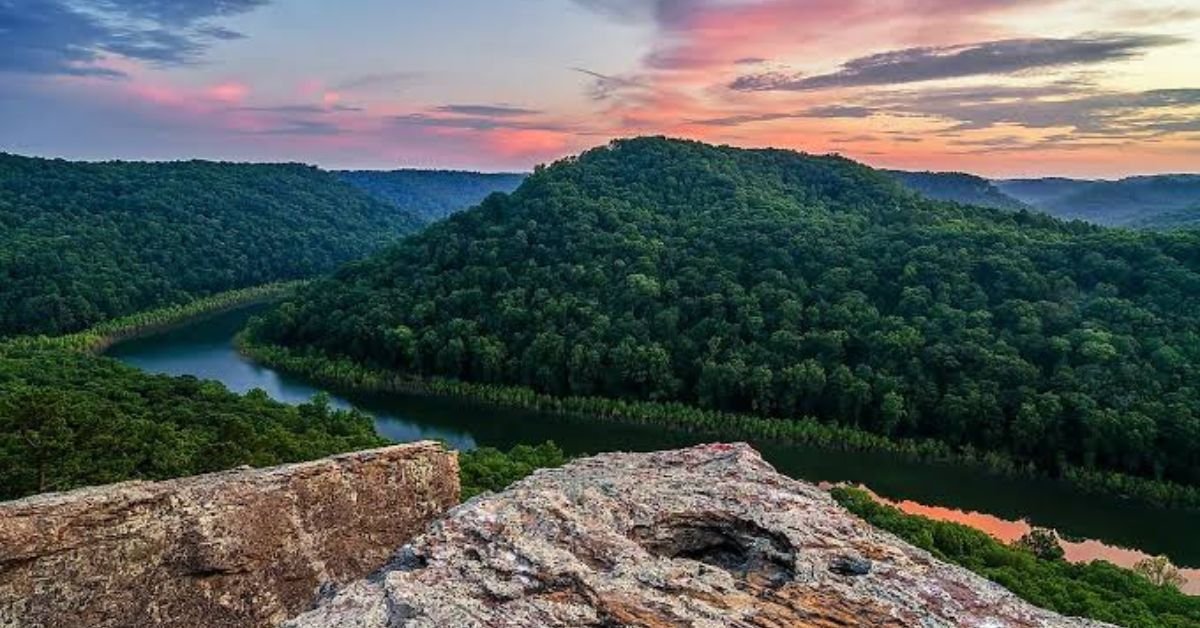
Catoosa Wildlife Management Area is one of Tennessee’s most exciting outdoor destinations. It sits on the Upper Cumberland Plateau and covers nearly 96,000 acres of wild land. The area spans across Morgan, Cumberland, and Fentress counties in Tennessee. It is managed by the Tennessee Wildlife Resources Agency (TWRA).
Whether you love hunting, fishing, hiking, or simply being in nature, Catoosa Wildlife Management Area has something for everyone. The landscape ranges from gentle rolling hills to deep river canyons and rugged terrain. More than 98 percent of the area is forested, making it a true natural escape.
Visitors come from across the state and beyond to experience this remarkable place. The Catoosa WMA offers a rare mix of wildlife, scenery, and outdoor recreation that you simply cannot find in many other places. It is a treasure for outdoor lovers of all kinds.
History of Catoosa Wildlife Management Area
The story of Catoosa Wildlife Management Area goes back centuries. Native American tribes like the Cherokees, Choctaws, Chickasaws, and Shawnees once used this land as their prime hunting ground. They visited seasonally and often fought over these rich hunting territories.
In the 1870s, the first lumber operation began in the area. By 1911, two coal and lumber companies had formed a large syndicate. They heavily exploited the region until a massive flood in 1929 wiped out their main railroad bridges. The Great Depression then crushed what remained of the industrial operations.
In 1940, the Crossville Exchange Club appointed a committee to push the state of Tennessee to buy this abandoned land. In 1942, the Conservation Commission purchased 63,000 acres from the Tennessee Mineral and Lumber Company using Pittman-Robertson federal aid funds. These funds came from federal taxes on guns and ammunition.
By 1949, the Tennessee Game and Fish Commission — now known as the TWRA — set a purchase boundary of around 90,000 acres. A land acquisition program began to remove private interior holdings. That program continues today, and the Catoosa Wildlife Management Area has grown to nearly 96,000 acres.
Size and Location of Catoosa WMA
Catoosa Wildlife Management Area is the second-largest WMA in Tennessee. It spans over 85,000 to 96,000 acres, depending on recent additions. The area lies within the Emory River drainage basin, which includes several major stream drainages.
These streams include the Obed River, Daddy’s Creek, Clear Creek, and Otter Creek. The Emory River meets the Obed River in the southeast corner of the area. The terrain changes significantly across the WMA.
| Feature | Details |
| Total Size | ~96,000 acres |
| Location | Morgan, Cumberland, and Fentress Counties, TN |
| Elevation Range | 1,100 ft to 2,300 ft |
| Managed By | Tennessee Wildlife Resources Agency (TWRA) |
| Primary Drainage | Emory River Basin |
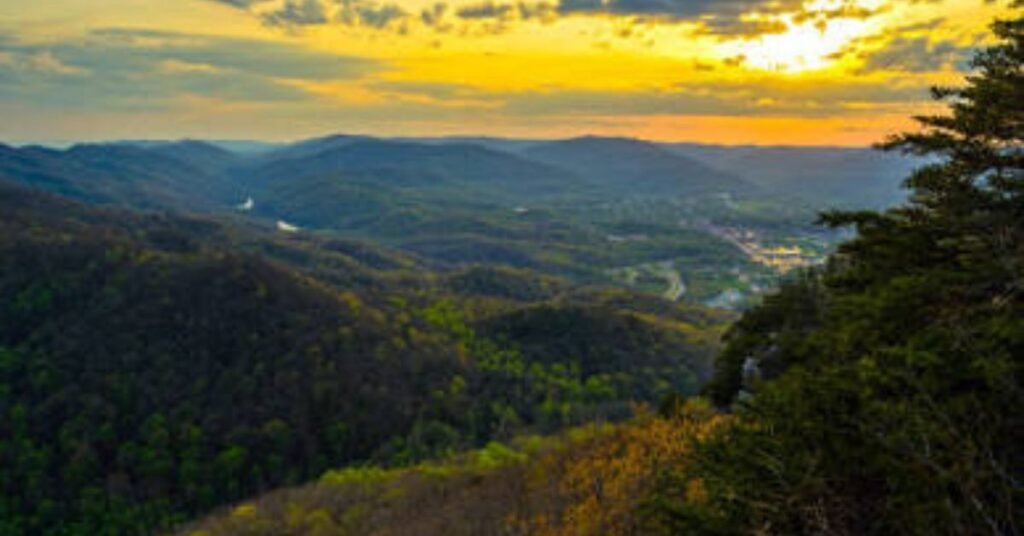
The elevation ranges from 1,100 feet to 2,300 feet. Deep canyons cut through the landscape where streams flow. The Catoosa Wildlife Management Area sits on the Cumberland Plateau and offers some of the most stunning natural scenery in East Tennessee.
Wildlife at Catoosa Wildlife Management Area
The Catoosa Wildlife Management Area is home to a wide variety of animals. The healthy deer herd is one of the main attractions. It regularly produces trophy bucks that hunters travel far to pursue. Wild turkey numbers are also strong and continue to grow each year.
Other game animals found at Catoosa WMA include:
European wild boar, fox squirrels, gray squirrels, ruffed grouse, raccoons, quail, rabbits, and mourning doves all call this area home. The forests provide excellent habitat for all these species.
The streams and rivers of Catoosa are equally rich in wildlife. Game fish such as smallmouth bass, rock bass, bluegill, and muskellunge thrive in these clear waters. Many of these streams run through remote and rugged country, making access challenging but rewarding.
The oak savanna sections of the WMA are actively managed. This management maintains open woodlands and native grass systems that existed in the region long before modern forests took over. These open areas benefit upland game species like turkey, deer, quail, and ruffed grouse.
Hunting at Catoosa Wildlife Management Area
Hunting is the primary activity at Catoosa Wildlife Management Area. The TWRA regards hunting as the top priority on this land, as hunters and fishermen originally funded its purchase. The area offers world-class hunting opportunities for many game species.
Hunters at Catoosa WMA can pursue deer, wild turkey, wild hogs, squirrels, ruffed grouse, rabbits, quail, raccoons, and mourning doves. Deer hunting is especially popular because the herd produces impressive trophy bucks. Wild turkey hunting in the spring draws many sportsmen to the area.
Here is a quick overview of major hunting seasons at Catoosa WMA:
| Game | Season Period |
| Spring Turkey | April 11 – May 10 |
| Turkey (Young Sportsman) | April 4 – 5 |
| Bullfrog | April 1 – September 1 |
| Trapping | December 15 – last day of February |
| Wild Hog Control | Year-round (with restrictions) |
All hunters must follow TWRA regulations. Guides are prohibited on all hunts at Catoosa. Deer hunters and hog control participants must check their harvest at WMA check stations. Hunters must tag their harvest with paper transportation tags before transporting it to the nearest check station.
During big game hunts, Catoosa Wildlife Management Area is open only to legal big game hunting participants. The area is closed to all other users at these times. All participants in the hog control season must wear at least 500 square inches of daylight fluorescent orange or pink on the upper body, visible from both front and back.
Hunters should also be cautious when handling harvested hogs. The TWRA has documented multiple cases of Brucellosis in hogs at Catoosa.
Fishing at Catoosa Wildlife Management Area
Fishing at Catoosa Wildlife Management Area is an excellent outdoor activity. The streams and rivers running through the area offer anglers the chance to catch several prized game fish. Smallmouth bass is a favorite among anglers who visit the Catoosa WMA each season.
Rock bass, bluegill, and muskellunge are also common catches in these waters. Many of the streams run through remote areas that require some effort to reach. This means less fishing pressure and more chances of landing a great catch.
Parts of the streams within the Catoosa Wildlife Management Area are floatable. Many of these stretches are part of the Obed Wild and Scenic River System. The Obed River is one of the most beautiful and wild rivers in Tennessee. It cuts deep gorges through the Cumberland Plateau and offers breathtaking scenery along its banks.
Visitors may fish during the Catoosa turkey season even when other access is limited. Anglers should always check current TWRA regulations before visiting to confirm access rules and any seasonal closures.
Hiking Trails at Catoosa Wildlife Management Area
Hikers love Catoosa Wildlife Management Area for its scenic and challenging trails. There are four main trails in the area, and they offer a range of difficulty levels. From short riverside walks to long multi-day backpacking routes, there is a trail for every skill level.
| Trail Name | Distance | Elevation Gain | Avg Rating |
| Obed River Point Trail | 3.7 miles | 698 ft | 4.7 stars |
| Alley Ford Trail | Moderate | Varies | 4.5 stars |
| Cumberland Trail: Obed Wild and Scenic River Segment | 13.0 miles | 1,889 ft | 4.3 stars |
| Obed Wild and Scenic River: Nemo Bridge to Devil’s Breakfast Table | Long route | 2,345 ft | 4.3 stars |
The Obed River Point Trail is the most popular in the area with a 4.7-star rating from nearly 1,000 community reviews. It takes hikers through beautiful forest to stunning views of the river and rock formations.
The Cumberland Trail is the most notable trail at Catoosa WMA. It is open year-round for pedestrian use. Hikers must wear fluorescent orange or pink clothing during big game hunting seasons to remain visible to hunters in the area.
The longest trail is the Cumberland Trail: Obed Wild and Scenic River Segment at 13 miles. It offers a serious backcountry adventure with nearly 1,900 feet of elevation gain. The trail passes through some of the most rugged terrain on the Cumberland Plateau.
Camping at Catoosa Wildlife Management Area
Camping at Catoosa Wildlife Management Area is a primitive experience. The area offers rustic camping with minimal facilities. The main camping areas include the Peavine Campground and the Old Catoosa Campground.
Peavine Campground features a large open field suitable for group camping. More secluded camping spots are available in the wooded areas along Otter Creek Road. These spots in the trees offer more privacy and a deeper connection with nature.
Big game hunters may camp during big game hunts. Outside hunting seasons, campers may camp with permission from the area manager. Overnight camping requires contacting TWRA and getting the proper clearance before your stay.
Campers at Catoosa Wildlife Management Area should follow these basic principles. Practice Leave No Trace, pack out all trash, keep noise levels low, and never light open fires during dry periods. Since the area is primarily managed for wildlife, visitors must respect the environment at all times.
Off-Highway Vehicle (OHV) and Special Use Access
Catoosa Wildlife Management Area allows off-highway vehicles under certain conditions. OHV use is permitted from the fourth Saturday in August through the second Sunday in June. Riders must possess a valid hunting and fishing license and WMA permit, or a High Impact Habitat Conservation Permit.
OHVs, bicyclists, and hooved animal riders may only enter the area through gated TWRA access points. Entering through any other point is prohibited. The gravel roads and dirt four-wheel drive tracks make OHV exploration a popular activity during the permitted season.
The Catoosa Wildlife Management Area is closed to all visitors during big game hunts except legal hunting participants. However, anglers may fish during turkey season, even during these restricted periods. The WMA also closes to all users from February 1 through the last Friday in March, except Cumberland Trail corridor users and walk-in hunters and anglers.
How to Get to Catoosa Wildlife Management Area
Getting to Catoosa Wildlife Management Area is straightforward from Interstate 40. Several access points depend on where you want to explore.
| Access Point | Directions |
| Genesis Road Entrance | Take I-40 Exit 320, travel north 8 miles to the WMA entrance |
| Peavine Road Entrance | Take I-40 Exit 322, travel north 1.8 miles, turn left onto Firetower Rd |
| Wartburg Entrance | From Wartburg, take Catoosa Road for 1.8 miles, then follow the signs |
| Devil’s Breakfast Table | Follow Peavine Rd entrance directions; the parking area is across the bridge |
The TWRA Region III Office is available for questions and more information. You can reach them at 1-931-484-9571 or toll-free at 1-833-402-4698. The area manager for Catoosa is Don Chance, reachable at 1-931-456-2479.
Read for more info: https://wildtrailsapp.com/wildlife-grains/
Shooting Ranges at Catoosa WMA
Catoosa Wildlife Management Area has two shooting ranges for visitors. The Genesis Checking Station Range is open daily during daylight hours, except during deer archery hunts and turkey hunts. A permit is required to use this range.
The Peavine Campground Range is open from April 1 through January 31 during daylight hours. It is closed during archery and turkey hunts. A permit is also required for this range.
Both ranges give hunters and shooters a safe and convenient place to practice before heading into the field. Always check current TWRA regulations before visiting, as hours and access rules can change by season.
Conservation and Land Management
Catoosa Wildlife Management Area stands as a model of successful conservation. The land that was stripped bare by coal and lumber operations in the early 1900s has made a stunning comeback. Today, more than 98 percent of the WMA is covered in healthy forest.
The TWRA actively manages sections of the area to restore oak savanna habitats. These open woodland systems once covered large parts of the Cumberland Plateau before fire suppression and forest growth took over. Today, prescribed burning and other management practices help bring back native grasses and open woodlands.
In recent years, the Conservation Fund and Tennessee Nature Conservancy helped add over 1,740 acres to Catoosa WMA. This addition includes savanna oak woodlands, grasslands, and several creek habitats. The expansion opened new areas to the public and improved habitat connectivity for wildlife.
This ongoing conservation work ensures that the Catoosa Wildlife Management Area remains a thriving natural ecosystem for generations to come.
Tips for Visiting Catoosa Wildlife Management Area
Before you visit Catoosa Wildlife Management Area, there are a few important things to know. The WMA is open year-round during daylight hours, but access changes depending on the season and hunting activity.
Always check current TWRA regulations before your trip. Wear bright fluorescent orange or pink clothing during hunting seasons, especially if you are hiking. Bring plenty of water and food, as facilities are minimal and the terrain can be demanding.
Respect all gate closures and access restrictions. Never enter through an unauthorized access point. If you plan to camp, contact the TWRA in advance to get the required permission.
Leave the area as you found it. Pack out all trash, stay on designated trails, and avoid disturbing wildlife. The Catoosa Wildlife Management Area thrives because visitors and managers work together to protect it.
Conclusion
Catoosa Wildlife Management Area is truly one of Tennessee’s finest outdoor treasures. With nearly 96,000 acres of forested land, rushing rivers, rugged canyons, and rich wildlife, it offers something special for every outdoor lover. Whether you come to hunt trophy deer, fish for smallmouth bass, hike the Cumberland Trail, or simply breathe in the fresh mountain air, Catoosa delivers an unforgettable experience.
Its remarkable comeback from industrial devastation to a thriving wildlife haven is a testament to the power of conservation. The TWRA and many partners have worked hard to protect and expand this area. Their efforts have created a public land that benefits both nature and people.
Plan your visit to Catoosa Wildlife Management Area today. Check the TWRA website for current regulations, get your permits, and get ready for an adventure on the beautiful Upper Cumberland Plateau of Tennessee.
Frequently Asked Questions (FAQs)
Q1. Where is the Catoosa Wildlife Management Area located?
Catoosa Wildlife Management Area sits on the Upper Cumberland Plateau in Tennessee. It spans Morgan, Cumberland, and Fentress counties. You can access it from Interstate 40 using Exit 320 (Genesis Road) or Exit 322 (Peavine Road).
Q2. Do I need a permit to visit Catoosa Wildlife Management Area?
Yes, a valid Tennessee hunting and fishing license and a WMA permit are required for most activities, including OHV riding, bicycling, and hooved animal riding. Hikers on the Cumberland Trail corridor can access the area year-round without a hunting permit, but should always check current TWRA regulations.
Q3. Can I camp at Catoosa Wildlife Management Area?
Yes, primitive camping is available at Catoosa WMA. The main camping areas are Peavine Campground and Old Catoosa Campground. During big game hunts, camping is restricted to big game hunters only. For overnight stays outside of hunting seasons, contact the TWRA area manager for permission.
Q4. What wildlife can I see at Catoosa Wildlife Management Area?
Catoosa is home to white-tailed deer, wild turkey, European wild boar, fox squirrels, gray squirrels, ruffed grouse, raccoons, quail, rabbits, and mourning doves. The streams hold smallmouth bass, rock bass, bluegill, and muskellunge. The area also features diverse plant life, including restored oak savanna ecosystems.
Q5. Is Catoosa Wildlife Management Area open year-round?
The WMA is open during daylight hours year-round, but access varies by season. It is closed to all users from February 1 through the last Friday in March, except for Cumberland Trail corridor users and walk-in hunters and anglers. During big game hunts, only legal hunting participants may enter. Always check the TWRA website for current access rules before planning your trip.