Florida is full of natural wonders. But few places match the raw beauty of the Richloam Wildlife Management Area. This massive stretch of wild land sits quietly in central Florida, offering something truly special for every outdoor lover. Whether you hunt, hike, fish, or simply enjoy watching wildlife, Richloam welcomes you with open arms.
This guide covers everything you need to know before your visit. From the landscape and wildlife to trails, fishing spots, and camping rules — it’s all here. Read on and discover why Richloam WMA is one of Florida’s best-kept secrets.
What Is the Richloam Wildlife Management Area?
The Richloam Wildlife Management Area is one of seven large tracts that make up the Withlacoochee State Forest. It spans more than 58,000 acres across four counties — Hernando, Pasco, Sumter, and Lake. The Florida Fish and Wildlife Conservation Commission (FWC) manages it in cooperation with the Florida Forest Service.
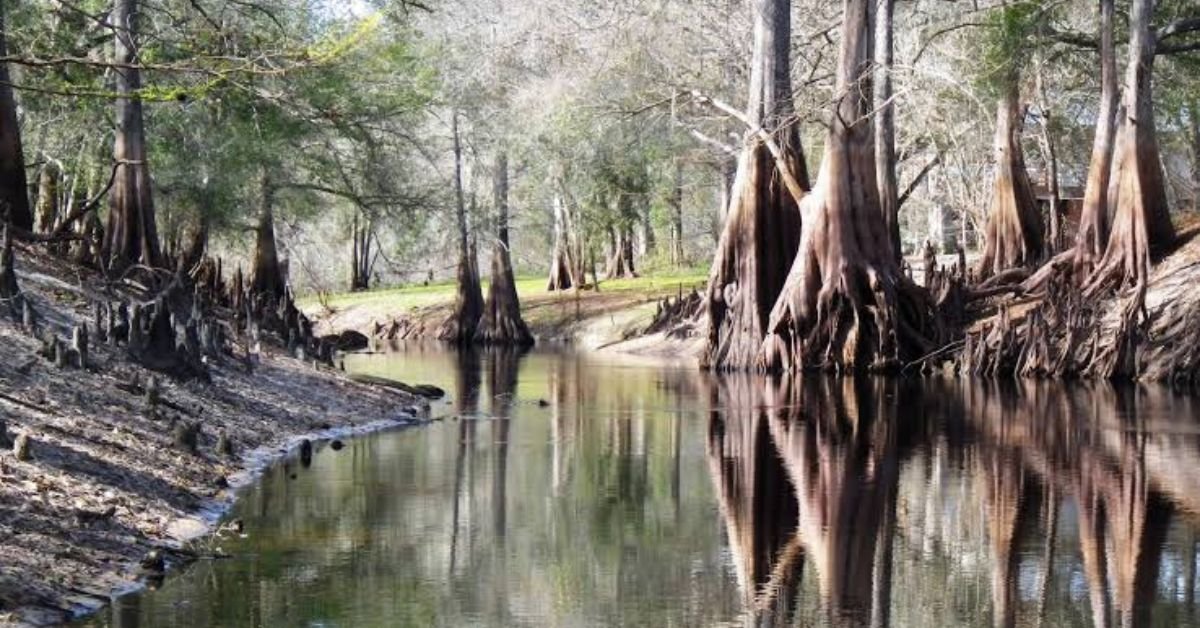
This WMA is not just a forest. It is a living, breathing ecosystem that supports hundreds of species of plants and animals. The Little Withlacoochee River flows through its northwestern half, adding to the natural richness of the area. Pine flatwoods, oak hammocks, bottomland hardwoods, and cypress swamps create a diverse natural tapestry that changes with every step you take.
The area sits near the town of Webster, Florida, and serves as a key part of Florida’s conservation network. It connects to other protected lands and wildlife corridors, making it a vital refuge for many species. Whether you visit for a day or stay overnight at a hunt camp, Richloam offers an experience you will not forget.
The Natural Landscape of Richloam WMA
Pine Flatwoods and Oak Hammocks
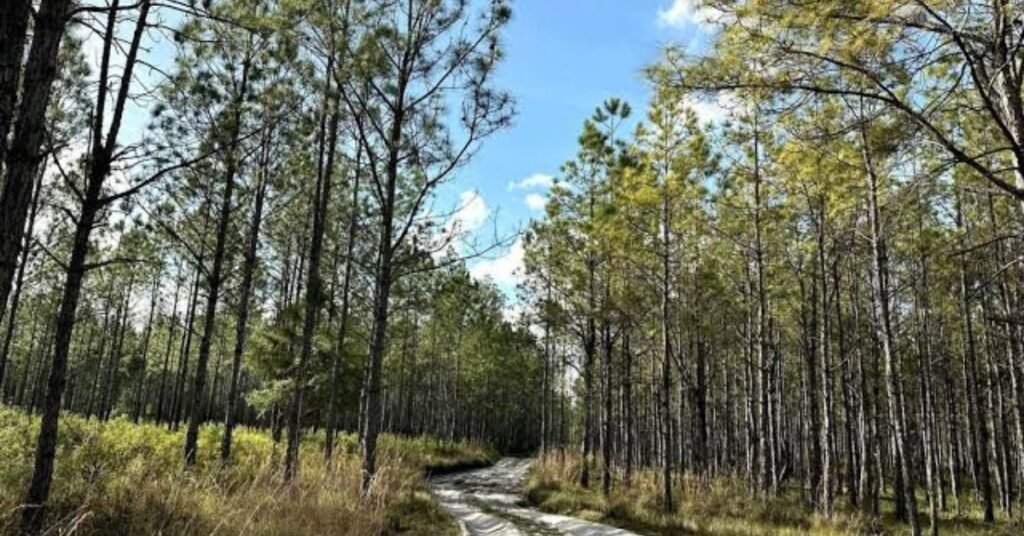
The pine flatwoods make up most of the terrain at Richloam Wildlife Management Area. These open, sun-drenched woodlands feature tall longleaf and slash pines rising above a carpet of wiregrass. Scattered throughout are oak hammocks — dense clusters of oak trees that provide shade and shelter for many animals. These hammocks break the flatlands and give the landscape a layered, interesting look.
Walking through these areas feels peaceful and grounding. The air smells of pine, and the ground feels soft beneath your boots. Birds sing from the treetops, and rustling leaves hint at the presence of deer or wild turkey. The pine flatwoods are also fire-adapted ecosystems, meaning controlled burns help keep them healthy and productive.
Bottomland Hardwoods and Cypress Swamps
As you move toward the lower, wetter areas of Richloam, the landscape shifts. Bottomland hardwoods take over near stream banks and flood-prone zones. Tall cypresses draped in Spanish moss create dramatic scenery that feels straight out of a nature documentary. These cypress swamps hold still, dark water and shelter some of Florida’s most fascinating wildlife.
Alligators bask on muddy banks. Wood storks wade through shallow waters. Herons stand motionless, waiting to strike at fish below the surface. The swamp zones are breathtaking and wild. They remind you that nature here operates on its own terms. These areas also support important breeding habitats for birds and amphibians alike.
Wildlife You Can See at Richloam Wildlife Management Area
Mammals and Reptiles
Richloam Wildlife Management Area is home to an impressive range of mammals. White-tailed deer roam throughout the pine flatwoods and oak hammocks. Wild turkeys strut through clearings in the early morning hours. Wild hogs root through the undergrowth, leaving telltale signs of their passage. Gray squirrels dart between trees with endless energy.
You may also spot Florida black bears, coyotes, and river otters if you are quiet and patient. Alligators live in the swampy sections near water. Gopher tortoises dig burrows in sandy areas and share their homes with dozens of other species. Non-venomous water snakes glide through the waterways without a care in the world. Richloam is a true wildlife haven.
Birds of Richloam WMA
Bird lovers rejoice — Richloam Wildlife Management Area is part of the Great Florida Birding and Wildlife Trail. The area supports an extraordinary variety of bird species throughout the year. You can see little blue herons, great blue herons, and tricolored herons wading through shallow waters. Sandhill cranes call out with their prehistoric-sounding rattles. Wood storks and limpkins appear near wetland areas.
The cypress swamps provide excellent nesting sites for bald eagles, white ibis, and great egrets. A wide variety of songbirds fill the trees with music, especially in the spring. You can log your bird sightings on the Withlacoochee State Forest – Richloam Tract eBird Hotspot to contribute to citizen science and share your finds with other birders.
| Bird Species | Habitat Zone | Best Viewing Time |
| Great Blue Heron | Swamps and waterways | Early morning |
| Sandhill Crane | Open fields and flatwoods | Sunrise and sunset |
| Wood Stork | Cypress swamps | Morning |
| Bald Eagle | Near water bodies | Year-round |
| Limpkin | Wetland edges | Morning |
| White Ibis | Shallow water and swamps | All day |
| Tricolored Heron | River banks | Early morning |
Hiking Trails at Richloam Wildlife Management Area
The Three Loop Trails
Richloam Wildlife Management Area offers three main loop hiking trails that start from the primary trailhead. This trailhead sits south of S.R. 50 along Clay Sink Road, next to the Division of Forestry firetower. An information kiosk there provides trail maps and a list of all hunt camp locations.
The three loops range in length from 9.4 to 13.6 miles. Hikers can tackle each loop on its own or combine them for a longer overnight backpacking trip. The terrain is mostly flat, with the occasional wet section or fallen tree to navigate. Trail conditions can vary, so it helps to check recent visitor reviews before heading out.
| Trail | Distance | Difficulty | Estimated Time |
| South Loop | 9.4 miles | Moderate | 3 – 4 hours |
| East Loop | 9 miles | Moderate | 2.5 – 3 hours |
| North Loop | 13.6 miles | Challenging | 4 – 5 hours |
The Florida National Scenic Trail Connection
The firetower trailhead also serves as an entry point to the Florida National Scenic Trail. This famous trail follows a portion of the Richloam South Loop, connecting the WMA to a much larger trail network. Serious hikers and backpackers can use this connection to explore far beyond Richloam’s borders.
Walking the Florida Trail through Richloam gives you a sense of the deep, uninterrupted wilderness that once covered central Florida. The trail passes through pine flatwoods, dips into swampy low areas, and winds along ridges of sand and oak. It is a beautiful and challenging stretch that rewards every step with stunning natural scenery.
Multi-Use Trails for Biking and Horseback Riding
Beyond the hiking loops, Richloam offers eight miles of shared trails for horseback riding, bicycling, and hiking. The Little River Recreation Area, located at the northwest tip of the Richloam Tract, provides shorter multi-use trails perfect for riders and cyclists who want a taste of the forest without committing to a full-day hike.
Children under 16 must wear a helmet when horseback riding on public lands, as required by Nicole’s Law. All horseback riders must carry proof of a current negative Coggins Test for their horses. The shared trails wind through beautiful scenery and give riders a chance to enjoy Richloam at a leisurely pace.
Hunting at Richloam Wildlife Management Area
What You Can Hunt
Hunting is one of the most popular activities at Richloam Wildlife Management Area. The area offers excellent opportunities for hunting white-tailed deer, wild turkey, and wild hogs. The diverse habitats support strong populations of game animals, making each hunt a rewarding challenge.
Hunting season typically runs from September through January, though specific dates vary by species and permit type. Spring turkey season also brings hunters out into the flatwoods. The area’s size and varied terrain give hunters plenty of room to explore and find their preferred hunting spots.
Licenses, Permits, and Quota Hunts
All hunters must carry the appropriate Florida hunting licenses, permits, and stamps. Florida residents aged 65 and older are exempt from license requirements. Children under 16 are also exempt. Anyone born on or after June 1, 1975, and aged 16 or older must complete a Commission-approved hunter-safety course before receiving a hunting license.
Some areas within Richloam operate as quota hunt zones, meaning you must apply for a permit during specific application periods. Quota applications open throughout the year, starting in April. Checking the FWC regulations brochure and visiting MyFWC.com gives you the most current information on seasons, permits, and quotas.
Hunting Dogs
Dogs are welcome during hunting season under specific rules. Hunting dogs may enter the WMA after 8 a.m. the day before the opening of a season and must leave by 6 p.m. one day after the season ends. Deer hunting with dogs is only allowed during general gun season. Wild hog hunting with dogs is only permitted during the dedicated wild hog-dog season.
Fishing at Richloam Wildlife Management Area
The waterways of Richloam Wildlife Management Area offer solid freshwater fishing throughout the year. Anglers target largemouth bass, bluegill, and crappie in the lakes, ponds, rivers, and swamps scattered across the tract. The Little Withlacoochee River is a favorite spot for those who enjoy casting a line in scenic, peaceful surroundings.
Spring is prime fishing season at Richloam WMA. Warming temperatures activate bass and bluegill as they prepare for spawning season. Crappie also move into shallower waters during spring, making them easier to reach from the bank. Summer mornings and evenings produce solid catches as well, especially during the cooler parts of the day.
The lakes and ponds at Richloam tend to be less crowded than more popular fishing destinations. This gives anglers a quiet, relaxed experience surrounded by natural beauty. Always check local regulations before fishing, and make sure your Florida fishing license is current. Two fishing access points within the WMA make it easy to get your line in the water.
Camping at Richloam Wildlife Management Area
Hunt Camps
Richloam offers several designated hunt camp sites for overnight camping. These camps are managed through the Withlacoochee State Forest and require a hunt camp permit or an overnight fee. Campers must purchase their permit before arriving and follow all posted rules.
Each campsite allows a maximum of 25 persons and 5 camping units or 10 tents. Only tents, trailers, self-propelled camping vehicles, or temporary shelters are permitted. All camping equipment must be removed by the end date on the permit. Campers who leave gear beyond that date face daily charges.
A single individual or household can reserve no more than two hunt camp sites per season. Reservations can be made by calling the Withlacoochee Visitor Center at 352-797-4140 or by booking online through the Florida State Forests reservation system.
Camping Rules to Know
Alcohol is allowed in the hunt camps of Richloam WMA, but only for permitted campers and their guests. Consuming alcohol outside of the designated camp areas can result in a citation from FWC. There are no formal bathroom facilities at all camps — portable toilets are provided during hunting season dates only. Campers should bring their own hand sanitizer with at least 60% alcohol content for hygiene purposes.
Maintaining and mowing the hunt camp site is the responsibility of the permit holder. Campers must not use space beyond the designated camp boundaries. Doing so can result in permit cancellation. Always pack out your trash and leave the site as clean as you found it.
Historical Significance of Richloam WMA
The Richloam Wildlife Management Area has a rich history that adds another layer of interest to any visit. The area once served as a training site for Merrill’s Marauders, the famous World War II-era special operations unit. Soldiers trained in these dense forests and swamps, preparing for jungle warfare in the Pacific theater.
Richloam also served as a filming location for the classic movie “The Yearling”, based on Marjorie Kinnan Rawlings’ beloved novel. The natural landscape of pine flatwoods and swamps provided the perfect backdrop for the story of a Florida frontier boy and his pet deer. Evidence of prehistoric Native American settlements also exists within the WMA, along with remnants of early pioneer homes and farms.
The historic Richloam General Store, built in 1922, still stands near the firetower trailhead. This charming store and post office appears on the National Register of Historic Places and remains open to the public. It sells jams, jellies, canned goods, and dry goods — a perfect stop for a quick snack before or after a long hike.
Read for more info: https://wildtrailsapp.com/raven-ridge-wildlife-center/
Practical Tips for Visiting Richloam Wildlife Management Area
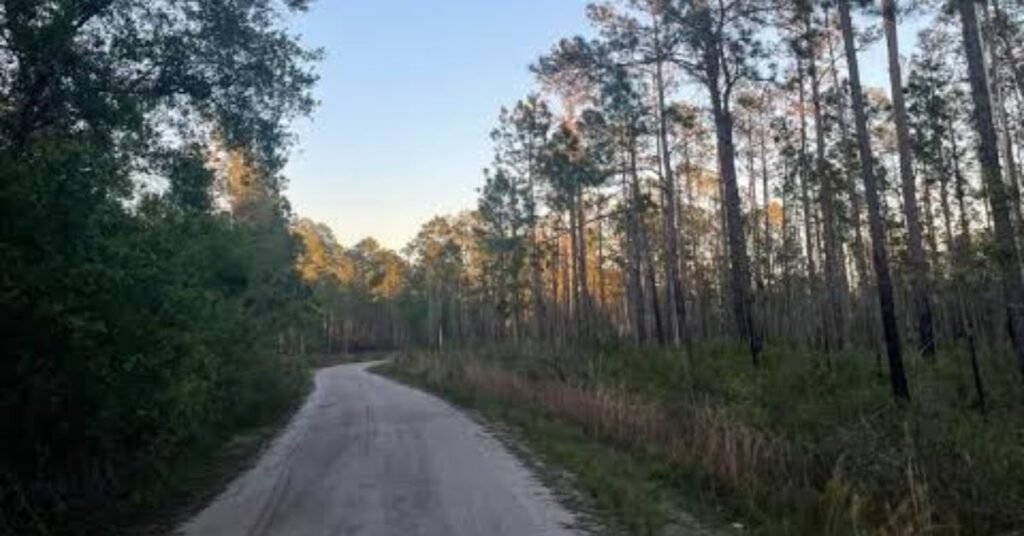
Planning your visit to Richloam WMA takes a little preparation. The area is remote, and most roads through it are unpaved forest roads that may not suit regular two-wheel-drive vehicles. A high-clearance or four-wheel-drive vehicle is strongly recommended for exploring beyond the main trailhead.
Cell phone service is sporadic or completely absent in many parts of Richloam. Download offline maps before you go, and consider bringing a printed copy as well. There are no facilities such as water fountains or restrooms along the trails. Bring plenty of water and all the supplies you need. Follow the pack-it-in, pack-it-out rule strictly.
The best time to visit depends on your plans. Spring and fall are ideal for fishing. Hunting season runs from September to January. Winter months offer cooler, more comfortable temperatures for hiking and camping with far fewer crowds. Summer visits are possible, but hot and humid — go early in the morning.
| Activity | Best Season | Tips |
| Hiking | Winter / Fall | Wear sturdy footwear, bring water |
| Bird Watching | Spring / Winter | Go at sunrise for the best sightings |
| Fishing | Spring / Fall | Check local regulations first |
| Hunting | Sept – Jan | Obtain required permits in advance |
| Camping | Fall / Winter | Reserve hunt camp permits early |
| Horseback Riding | Year-round | Bring Coggins Test proof |
| Photography | Any season | Visit early morning or late afternoon |
Conclusion
The Richloam Wildlife Management Area stands as one of Florida’s most rewarding outdoor destinations. With over 58,000 acres of pine flatwoods, cypress swamps, oak hammocks, and hardwood forests, it offers a truly immersive experience in Florida’s wild landscape. Whether you come to hunt deer, chase bass in a quiet pond, hike through ancient forests, or simply watch herons wade through still swamp waters, Richloam delivers.
The area’s rich history, diverse wildlife, and wide range of recreational activities make it a destination worth visiting again and again. Come prepared, respect the rules, and take in everything this remarkable place has to offer. Richloam WMA is not just a place to visit — it is a place to connect with Florida’s wild heart.
Frequently Asked Questions (FAQs)
Q1: Where is the Richloam Wildlife Management Area located?
Richloam Wildlife Management Area sits across four Florida counties — Hernando, Pasco, Sumter, and Lake. The nearest town is Webster, Florida. The primary trailhead is located south of S.R. 50 along Clay Sink Road, near the Division of Forestry firetower.
Q2: Do I need a license to hunt at Richloam WMA?
Yes. All hunters must carry valid Florida hunting licenses, permits, and stamps. Florida residents aged 65 and older, children under 16, and certain military members on leave are exempt. Anyone born on or after June 1, 1975, must also complete a hunter-safety course before obtaining a hunting license.
Q3: Can I bring my dog to Richloam Wildlife Management Area?
Yes, dogs are welcome at Richloam for purposes other than hunting, but they must stay on a leash or under physical restraint at all times. Dogs are not allowed in areas posted as “Closed to Public Access” or “Closed to Pets.” Specific rules apply to hunting dogs during open seasons.
Q4: What is the best time of year to visit Richloam WMA?
It depends on what you plan to do. Spring and fall are best for fishing. Hunting season runs from September through January. Winter offers cool, comfortable temperatures, great for hiking and camping. Birdwatching is excellent in spring and winter. Summer visits are possible, but very hot and humid.
Q5: Are there camping facilities at Richloam Wildlife Management Area?
Yes, Richloam has designated hunt camp sites available for overnight camping. These require a permit and a fee. Campers may use tents, trailers, or other temporary shelters within the designated boundaries. There are no water hookups or formal bathrooms — portable toilets are provided during hunting season. Reservations can be made through the Florida State Forests online booking system.