Introduction
Sioux City, Iowa, sits at a special crossroads of nature. It rests where the Missouri River, rolling prairies, and the stunning Loess Hills all meet. This unique location makes Sioux City, Iowa, wildlife incredibly rich and diverse. Whether you love watching birds, hiking through tall grasses, or simply exploring the outdoors, Sioux City has something special waiting for you.
People often think of Sioux City as just another Midwestern city. But look a little closer, and you will find a thriving world of animals and plants right on its doorstep. From white-tailed deer grazing in the early morning to bald eagles soaring over the Missouri River, Sioux City, Iowa, wildlife never fails to amaze visitors and residents alike.
This guide covers everything you need to know about local wildlife — the animals you can see, the best places to find them, and what makes this city such an extraordinary place for nature lovers.
The Unique Natural Setting of Sioux City, Iowa
Sioux City sits in a rare landscape. The city borders the Loess Hills, one of the most unique geological formations in the entire world. Wind-blown silt, called loess, piled up over thousands of years to form these dramatic ridges and valleys. In fact, loess deposits here can reach up to 200 feet deep — a depth found in only a handful of places worldwide, most notably in China.
This remarkable terrain creates a wide range of habitats. You find steep prairie ridges, wooded oak forests, river wetlands, and open grasslands all within a short drive. Each habitat supports a different community of animals. Because of this variety, Sioux City, Iowa, wildlife is far more diverse than most people expect from an urban area.
The Missouri River also plays a huge role. It acts as a natural highway for migratory birds and gives shelter to fish, turtles, and river mammals. The combination of the river, the prairies, and the hills makes Sioux City one of the most wildlife-rich cities in the entire state of Iowa.
Common Mammals Found in Sioux City, Iowa Wildlife
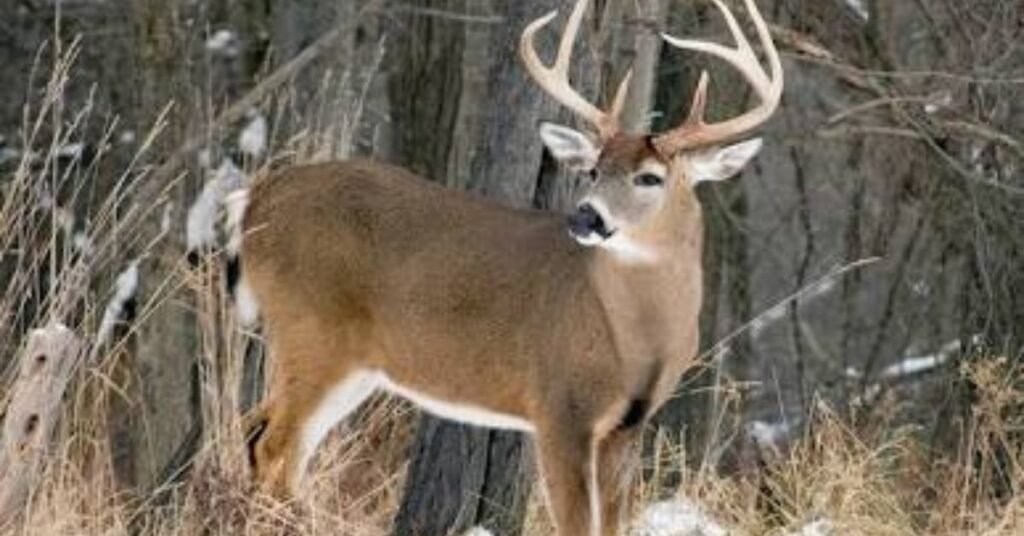
When you venture into the parks and natural areas around Sioux City, you can spot a wide variety of mammals. The most iconic is the white-tailed deer. These graceful animals roam the wooded valleys and prairie edges throughout the area. Early morning and dusk are the best times to see them, especially near Stone State Park and Sioux City Prairie.
Coyotes are another common sight. They adapt well to both wild and urban settings, and locals often spot them moving through parks and green spaces at night. Red foxes also make their home here, using the dense brush and forest edges for shelter and hunting.
Other notable mammals include:
| Mammal | Habitat | Best Time to Spot |
| White-tailed Deer | Woodlands, prairie edges | Dawn and dusk |
| Coyote | Open fields, parks | Night and early morning |
| Red Fox | Forest edges, brush | Dawn and dusk |
| Raccoon | Rivers, wooded areas | Night |
| Cottontail Rabbit | Prairie, grasslands | Morning |
| Badger | Open prairie | Daytime |
| Fox Squirrel | Oak forests | Daytime |
| Bobcat | Dense brush, hills | Rare, early morning |
The bobcat is a thrilling find. This elusive wildcat has made a comeback in the Loess Hills region. Spotting one takes patience and luck, but its presence tells you a lot about the health of the local ecosystem. The Loess Hills area is also home to the rare plains pocket mouse and the northern grasshopper mouse, two species that conservation groups actively protect.
Birds: The Crown Jewel of Sioux City, Iowa Wildlife
If there is one thing that truly puts Sioux City, Iowa, wildlife on the map, it is the birds. Sioux City has earned the official title of Bird Friendly City through the Bird Friendly Iowa program. This recognition reflects years of community effort to protect and restore bird habitat across the city.
Raptors and Birds of Prey
The Loess Hills act as a natural funnel for migrating raptors. During fall migration — from September through December — the skies above Sioux City fill with birds of prey. Birders have recorded up to 20 species of raptor in a single season near the hills. Common sightings include:
- Red-tailed hawk — a year-round resident with a distinctive rust-colored tail
- Bald eagle — seen especially along the Missouri River; a true conservation success story
- Peregrine falcon — spotted during migration
- Northern harrier — glides low over open fields hunting for small mammals
- American kestrel — the smallest falcon in North America, often seen on power lines
- Osprey — a fish-hunting specialist seen near rivers and lakes
Grassland and Prairie Birds
The tallgrass prairie around Sioux City supports birds that are disappearing across North America. Grassland bird populations have declined by more than 50% over the last 50 years, making places like Sioux City Prairie more important than ever. You can hear the Eastern Meadowlark singing from fence posts in summer, and spot the Red-winged Blackbird calling from wetland edges.
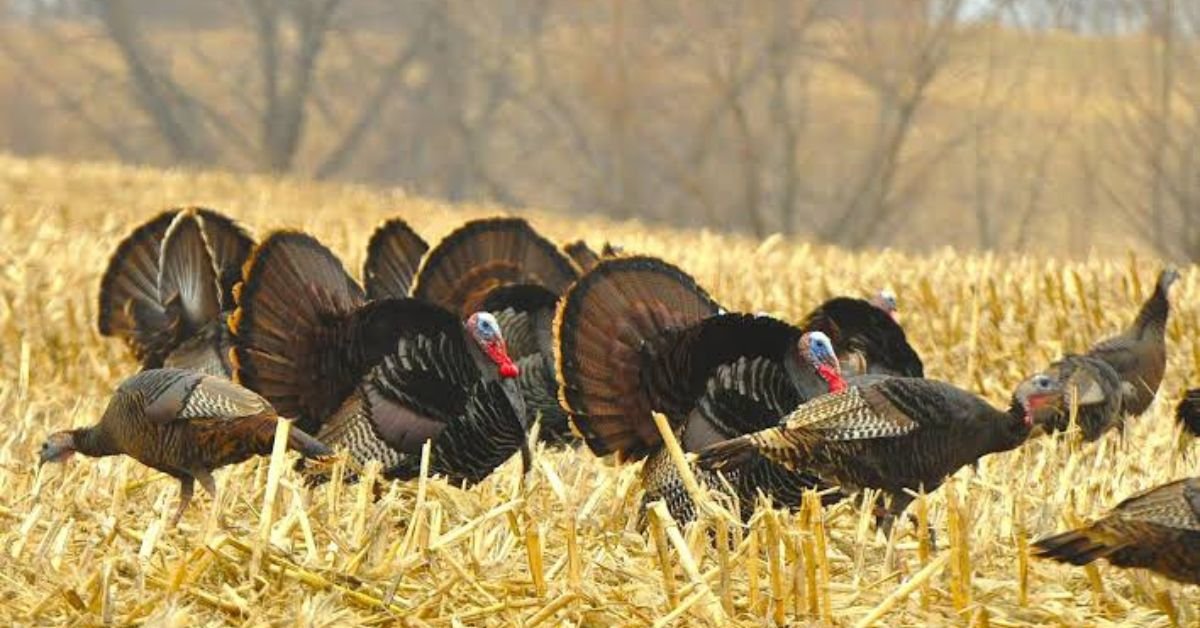
Baltimore Orioles bring a flash of orange and black to the trees in summer. Yellow Warblers sing their cheerful songs along creek edges. The Wild Turkey struts through the oak woodlands, especially in Stone State Park.
Water Birds and Migratory Visitors
The Missouri River and local wetlands attract impressive waterfowl. Great Blue Herons stand motionless in shallow water, waiting to snatch fish. Green Herons hunt along overgrown stream banks. During spring and fall migration, the area draws an exciting variety of ducks, sandpipers, and even the occasional rare visitor.
Birders have reported sightings of rare birds like the Surf Scoter at Bacon Creek Park and the Burrowing Owl in nearby grasslands. The Sioux City Prairie is even listed as a “hot spot” on the popular eBird online bird archive — a badge of honor for any birding location.
Reptiles, Amphibians, and Insects in Sioux City, Iowa Wildlife
Sioux City, Iowa, wildlife is not just about the large, charismatic animals. The smaller creatures play vital roles, too. The ornate box turtle shuffles through prairie grasslands during warm months. The rare spadefoot toad calls the Loess Hills its home, though it has become increasingly rare due to habitat loss.
The prairie rattlesnake — Iowa’s only venomous snake — still survives in the northern Loess Hills, particularly at Broken Kettle Grasslands Preserve. This preserve holds the last known population of prairie rattlesnakes in Iowa, making it a site of real conservation significance.
Butterflies are another highlight. Stone State Park and Mount Talbot State Preserve host over 42 species of butterflies. The surrounding Loess Hills area supports at least 56 butterfly species, including six rare species found nowhere else nearby. The Monarch butterfly passes through Sioux City during its epic annual migration, and local groups actively work to create and restore pollinator habitat to support its recovery.
Top Wildlife Habitats and Nature Spots in Sioux City
Stone State Park and Dorothy Pecaut Nature Center
Stone State Park covers 1,089 acres in the northwest corner of Sioux City. It sits right in the heart of the Loess Hills and offers some of the best wildlife watching in the region. The park features a mix of bur oak forests, steep prairie ridges, and valley meadows that support a huge range of species.
At the center of the park sits the Dorothy Pecaut Nature Center — Sioux City’s best wildlife education facility. This 14,000-square-foot center houses live fish, reptiles, and raptors, including a red-tailed hawk and a barred owl in its outdoor Raptor House. The center connects to over three miles of hiking trails that weave through forest and prairie. Admission is free to the public, making it a perfect destination for families and nature lovers of all ages.
The nature center has provided environmental education since the late 1980s and celebrated its 30th anniversary in 2025. Staff naturalists lead programs ranging from summer day camps for children to birdwatching hikes for adults.
Sioux City Prairie
Sioux City Prairie is one of the most remarkable urban nature preserves in the entire country. Owned and managed by The Nature Conservancy, this 150-acre tallgrass prairie sits right within city limits. It is one of the largest native prairie tracts in an urban setting anywhere in the United States.
The prairie has survived for centuries despite development pressure. The Nature Conservancy purchased it in 1984, recognizing its value as a rare remnant of the original Loess Hills landscape. Today, managers use prescribed burns to keep the prairie healthy. These controlled fires release nutrients, encourage native plant growth, and stop trees from taking over. Staff also release flea beetles to control leafy spurge, an invasive plant that threatens native wildlife habitat.
The prairie is a top birding destination, listed as a hotspot on eBird. Hikers enjoy a one-mile walking trail through the grasses and wildflowers, and the lagoon attracts waterfowl and shorebirds through the seasons.
Bacon Creek Park
Bacon Creek Park offers accessible wildlife watching right within the city. Birders regularly report bald eagles, great blue herons, green herons, belted kingfishers, and a variety of songbirds along the creek corridor. The park is easy to reach and provides a great introduction to Sioux City, Iowa, wildlife for beginners.
Loess Hills Wildlife Management Area
Located just south of the city, the Loess Hills Wildlife Management Area covers 2,700 acres of timber and prairie. Wildlife here includes white-tailed deer, coyote, raccoon, badger, fox squirrel, and cottontail rabbit. Wild turkeys and ring-necked pheasants roam the grasslands. Six miles of trails provide access to this interior habitat, and the area is open for hunting in season.
Conservation Efforts Protecting Sioux City, Iowa Wildlife
Sioux City takes wildlife conservation seriously. Several organizations work together to protect and restore habitat across the region.
The Nature Conservancy manages Sioux City Prairie and works to preserve the broader Loess Hills landscape. The Woodbury County Conservation Board operates Dorothy Pecaut Nature Center and manages multiple parks throughout the county. The Loess Hills Audubon Society leads birdwatching education and advocacy for bird-friendly practices across the city.
The Bird Friendly City designation — earned by Sioux City in 2024 — recognizes the city’s efforts to protect native habitats, reduce threats to birds, and educate the community. Partners include the Northwest Iowa Group of the Sierra Club, the Loess Hills Wild Ones, and the City of Sioux City itself.
Local wildlife rehabilitation services also play a vital role. Wildlife Central for Iowa, based in Sioux City, provides care for injured rabbits and squirrels. Saving Our Avian Resources (SOAR) rehabilitates injured raptors and has released rehabilitated birds at public ceremonies to celebrate conservation milestones.
These efforts show that protecting Sioux City, Iowa, wildlife is a community-wide commitment — not just the job of a single agency or group.
Read for more info: https://wildtrailsapp.com/wildlife-graffiti/
Best Seasons to Experience Sioux City, Iowa Wildlife
Every season offers something different for wildlife watchers in Sioux City.
| Season | Wildlife Highlights |
| Spring | Migratory songbirds return, waterfowl migration, wildflowers bloom on the prairie |
| Summer | Nesting birds, fawns with deer, butterflies peak, and turtles are active |
| Fall | Raptor migration through the Loess Hills, waterfowl arrive, deer rut begins |
| Winter | Bald eagles along the Missouri River, snowy owls are occasional visitors, and deer tracks in the snow |
Fall is particularly exciting for birdwatchers. The raptor migration over the Loess Hills runs from September through December and brings thousands of hawks, falcons, and eagles through the area. A record count of 16,000 raptors in a single season has been recorded in the broader Loess Hills region.
Spring brings a burst of life as migratory songbirds flood back into the area. The forests fill with the songs of warblers, vireos, and thrushes. Wildflowers carpet the prairie floors, drawing butterflies and pollinators.
Tips for Wildlife Watching in Sioux City
Getting the best wildlife experiences in Sioux City takes a little planning. Here are some practical tips to help you make the most of your visit:
Go early. Most mammals and many birds are most active in the first hour after sunrise. Deer, foxes, and coyotes tend to move at dawn and dusk, so plan your hikes around these times.
Move quietly. Wildlife spooks easily. Walk slowly and avoid sudden movements. You will see far more animals if you let patience guide you.
Bring binoculars. A good pair of binoculars transforms your wildlife experience. Many birds are small or stay high in the trees, and binoculars bring them into clear view.
Use eBird. The eBird app and website show you exactly which birds have been spotted at local hot spots like Sioux City Prairie and Bacon Creek Park. It is a powerful tool for planning birding outings.
Visit Dorothy Pecaut Nature Center first. The center’s staff can tell you what wildlife has been active lately and which trails offer the best viewing. The free admission makes it an easy first stop.
Respect wildlife. Never feed wild animals. Keep a respectful distance from nesting birds and young animals. Leave the habitat as you found it so future visitors can enjoy it too.
Conclusion
Sioux City, Iowa, wildlife is one of the city’s greatest treasures. From the soaring raptors of the Loess Hills to the dancing prairie wildflowers that shelter rare butterflies, nature here is vibrant, diverse, and deeply worth exploring. The combination of the Missouri River, the tallgrass prairies, and the oak forests creates a living mosaic that supports hundreds of species of birds, mammals, reptiles, and insects.
Thanks to dedicated conservation organizations, a passionate community of birders and naturalists, and the city’s own commitment to being Bird Friendly, Sioux City, Iowa, wildlife continues to thrive. Whether you spend an afternoon at the Dorothy Pecaut Nature Center or a full day hiking Stone State Park, you will discover that nature in Sioux City is far more wild and wonderful than most people ever expect.
Go out, explore, and let the wildlife of Sioux City remind you of just how rich and alive the natural world truly is.
Frequently Asked Questions (FAQs)
Q1: What is the best place to see wildlife in Sioux City, Iowa?
Stone State Park and the Dorothy Pecaut Nature Center are the top spots for wildlife watching in Sioux City. The park covers over 1,000 acres of prairie and forest, and the nature center houses live reptiles and raptors while connecting to miles of hiking trails. Sioux City Prairie is another excellent choice, especially for birding.
Q2: What birds can I see in Sioux City, Iowa?
Sioux City is a Bird Friendly City with an impressive bird list. You can see bald eagles, red-tailed hawks, Baltimore orioles, yellow warblers, great blue herons, wild turkeys, and dozens of migratory songbirds. During fall, the Loess Hills become a major raptor migration corridor with up to 20 species of birds of prey recorded in a single season.
Q3: Are there any dangerous animals in Sioux City, Iowa?
The area is generally safe for outdoor recreation. The prairie rattlesnake — Iowa’s only venomous snake — exists in the northern Loess Hills but rarely comes close to popular trails. Coyotes are present but avoid humans. Always watch where you step in tall grass and be aware of ticks, especially during warm months.
Q4: Is the Dorothy Pecaut Nature Center free to visit?
Yes! Admission to the Dorothy Pecaut Nature Center is free to the general public. The center offers indoor exhibits, live animal displays, and access to hiking trails in Stone State Park. Some rooms can be reserved for events for a fee, but general public visits cost nothing.
Q5: When is the best time to visit Sioux City for wildlife watching?
Fall is arguably the best season, especially for raptor migration from September through December. Spring is excellent for migratory songbirds and wildflowers. Summer offers the most activity overall, with nesting birds, butterflies, and active mammals. Winter brings bald eagles to the Missouri River corridor and occasional rare visitors like snowy owls.