Introduction
The world looks very different after the sun goes down. Most people go to sleep, but for millions of animals, the night is when life truly begins. The darkness comes alive with hunters, foragers, and creatures that spend their days hidden and resting.
Wildlife night is not just a time — it is a whole world. It is full of sounds, shadows, and secret movements. From owls swooping silently through the trees to leopards slipping through tall grass, the night belongs to animals built for the dark.
Understanding wildlife at night helps us appreciate nature in a deeper way. It also helps us protect these animals, many of which face serious threats from human activities. In this article, we explore nocturnal animals, their incredible adaptations, the magic of a night safari, and what we can do to keep their world safe.
What Is Wildlife Night?
Wildlife night refers to the natural world that becomes active after dark. Many animals are nocturnal, which means they sleep during the day and come alive at night. They hunt, feed, mate, and travel when the sun is gone.
Animals that are active after dark have evolved special traits that make it easier to live the nightlife. Hunting, mating, and avoiding predators are all more common at night.
Approximately 70% of mammals are nocturnal, including opossums, raccoons, coyotes, mice, and ferrets. There are also nocturnal animals in other classes, such as birds and insects. This shows just how big and vibrant the wildlife night world really is.
The night is not empty. It is busy, strategic, and full of life. Every rustle in the bushes, every hoot in the trees, and every pair of glowing eyes in the dark tells a story of survival.
How Nocturnal Animals Are Built for Wildlife at Night
Nature has equipped nocturnal animals with incredible tools. These tools help them see, hear, smell, and navigate in near-total darkness. Each adaptation is the result of millions of years of evolution.
Super Eyesight in the Dark
One of the most remarkable adaptations in wildlife night animals is their eyesight. In order to survive in the dark, nocturnal animals have evolved physical traits that allow them to do so. The eyes get bigger, and the pupils widen. Owl eyes, for example, are so big that they can’t move in the socket, but their wide pupils help them collect more light.
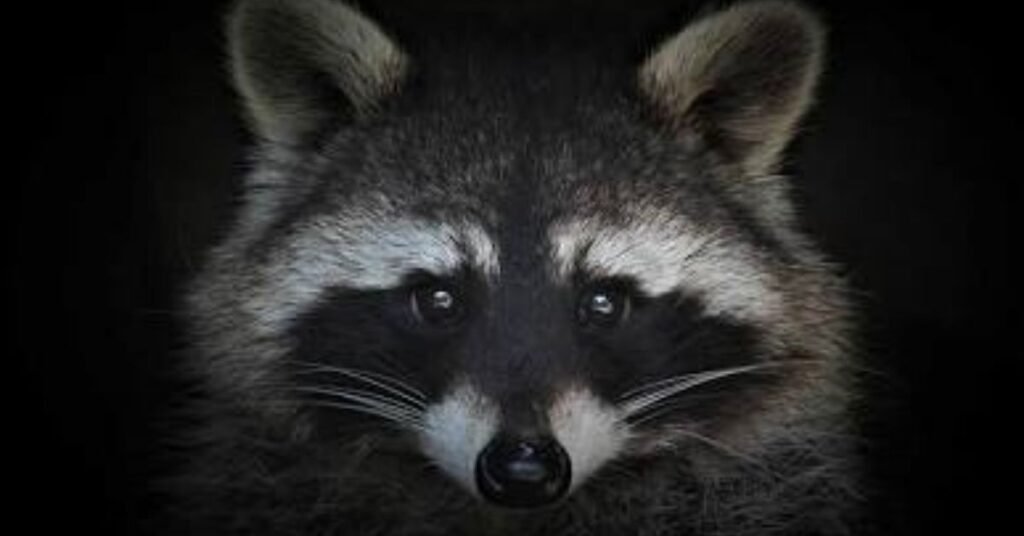
Many nocturnal animals also have a special reflective layer behind the retina called the tapetum lucidum. This is why the eyes of animals like cats and raccoons often appear to glow when illuminated at night. This layer bounces light back through the eye, giving the animal a second chance to absorb it. The result is a much sharper vision in the dark.
Hearing and Smell That Goes Beyond Human Limits
Eyes are not the only super tool of the night creatures. Using echolocation, bats emit high-frequency sounds that bounce off objects and return as echoes, providing detailed information about prey and the location, size, and texture. Owls must hunt in the dark because they have highly sensitive auditory systems that allow them to detect even the faintest sounds.
Smell also plays a huge role. Many nocturnal rodents and carnivores use their sharp sense of smell to find food and detect danger. This combination of enhanced senses makes night animals among the most skilled hunters in nature.
Famous Animals of the Wildlife Night
The wildlife night is home to a wide variety of animals. Some are well known. Others are rare and rarely seen. Here is a look at some of the most fascinating ones.
| Animal | Habitat | Night Activity | Special Adaptation |
| Owl | Forests, grasslands | Hunting rodents | Rotating head, silent flight |
| Bat | Caves, trees | Hunting insects, pollinating | Echolocation |
| Leopard | African savanna | Hunting prey | Night vision, stealth |
| Aardvark | African savanna | Digging for termites | Long sticky tongue, strong claws |
| Pangolin | Asia, Africa | Foraging for ants | Armored scales, keen smell |
| Hedgehog | Gardens, grasslands | Foraging for insects | Sharp spines, keen smell |
| Lion | African savanna | Coordinated group hunting | Night vision, group tactics |
Owls — The Symbol of Wildlife Night
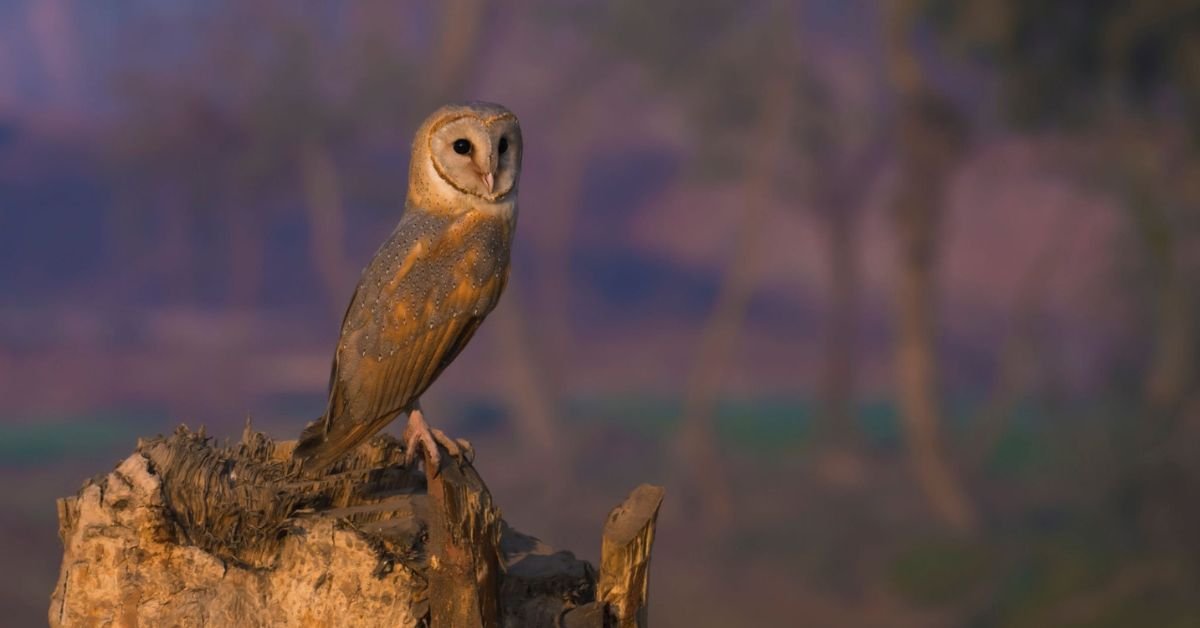
The owl is perhaps the most iconic symbol of wildlife at night. Owls, with their large, forward-facing eyes, are a prime example of this adaptation, giving them excellent night vision to hunt small mammals and insects. They fly silently and strike with deadly precision. Their ability to rotate their heads almost completely around gives them a wide field of view without moving their bodies.
Bats — The Unsung Heroes
Bats are among the most important animals of the night. Bats, particularly fruit bats, are crucial pollinators for many plants. As they feed on nectar, they transfer pollen from flower to flower, facilitating plant reproduction. Without bats, many plants and food crops would struggle to survive.
Lions — Nighttime Kings
Lions are largely nocturnal or crepuscular. They prefer to hunt and patrol at night or in the early morning and evening to avoid daytime heat. Pride members coordinate their nighttime hunts with remarkable efficiency by using shadows to ambush prey. Watching lions in the wild at night is one of the most thrilling wildlife experiences possible.
Aardvarks — The Shy Excavators
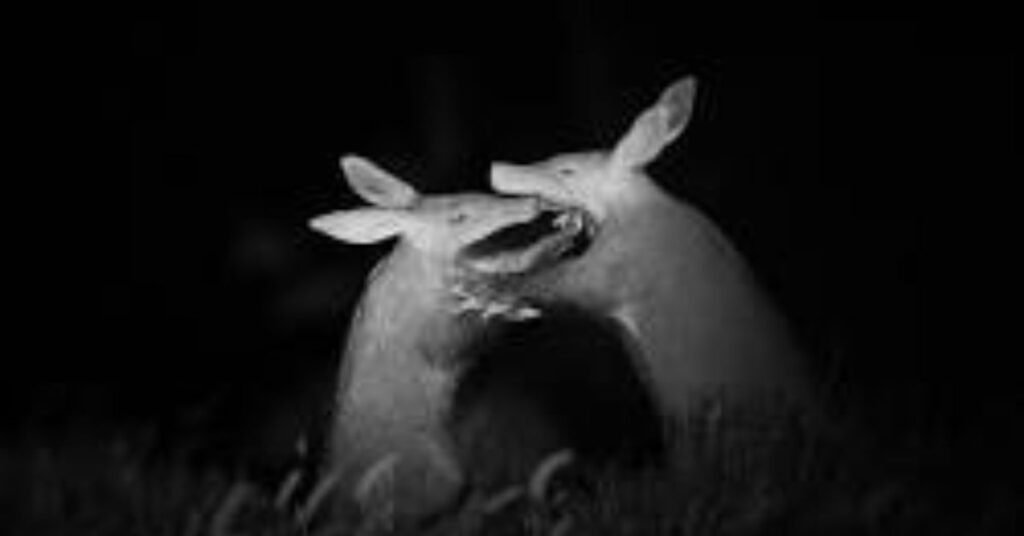
The Aardvark is by far one of the most difficult nocturnal animals to spot on an African night safari. It gets its name from the Afrikaans words “Earth Pig” thanks to its pig-like body and snout, and its remarkable ability to dig. An aardvark is a master excavator and is able to dig a hole at a remarkable rate of 0.6 m every 15 seconds. Every night, it uses its long, sticky tongue to lap up thousands of termites. Spotting one is considered a very rare and special wildlife night moment.
The Magic of a Wildlife Night Safari
A wildlife night safari is one of the most exciting adventures a nature lover can have. The African bush transforms completely after sunset. Night brings out elusive animals you’d rarely encounter during the day. Creatures like bush babies, aardvarks, and porcupines emerge from their hiding places. The thrill of spotting these shy inhabitants is unmatched and makes every safari unique.
There’s something absolutely electric about venturing into the African wilderness after dark. As your safari vehicle’s red-filtered spotlight cuts through the darkness, you’re entering a world that most visitors never get to experience. The bush transforms completely at night, revealing a secret society of creatures who’ve been waiting all day for their moment to shine.
Best Times for a Wildlife Night Safari
The dry winter months (May to September) are generally considered the best time for tracking rare nocturnal creatures. As the rains stop, the thick summer bush thins out and the grass dies back. This makes it much harder for camouflaged animals like the serval or genet to hide in the undergrowth.
Essential Tips for a Wildlife Night Safari
Going on a wildlife night safari takes some preparation. Here are tips to make the most of the experience.
A good pair of binoculars is essential for spotting distant animals. A flashlight with a red filter helps avoid damaging the night vision of both you and the wildlife. Additionally, wearing muted clothing helps you blend into the environment, reducing your chances of startling animals.
Stay quiet and patient. Wildlife often appears when you least expect it. Most importantly, trust your guide. Follow their instructions closely as night safaris have different protocols than daytime drives. Lastly, enjoy the atmosphere. While spotting animals is exciting, take time to appreciate the unique ambiance that nighttime brings to your safari experience.
Many nocturnal animals are more often heard than seen. Learning to identify animal calls can significantly enhance your safari experience. For instance, the hooting of owls, the howling of coyotes, or the chirping of frogs can point to nearby wildlife.
| Safari Tip | Why It Matters |
| Use a red-filtered flashlight | Protects your night vision and the animals |
| Wear dark, muted clothing | Avoids startling wildlife |
| Stay silent | Animals are more alert and sensitive at night |
| Trust your guide | Guides know animal behavior and safe routes |
| Bring binoculars | Helps spot distant or shy animals |
| Listen for calls | Many animals are heard before they are seen |
Wildlife Night and the Ecosystem
Wildlife night animals do much more than just survive. They play vital roles in keeping ecosystems healthy. As predators, they help control the populations of their prey, maintaining a balance that is crucial for the health of their habitats.
Owls, for instance, keep rodent populations in check, which in turn affects the distribution and health of plant communities. Foraging behaviors of nocturnal animals are also essential for seed dispersal and pollination.
These resilient creatures provide valuable pest control by consuming ticks, insects, and even venomous snakes. Without wildlife night creatures, the balance of nature would fall apart. Insect populations would explode, plant reproduction would slow down, and food chains would break.
The whole wildlife night ecosystem works like a well-tuned machine. Every animal has a role to play, and each one depends on the others.
Threats Facing Wildlife Night Animals
Despite their remarkable adaptations, wildlife night animals face serious and growing threats. Most of these threats come directly from human activity.
Light Pollution — A Growing Crisis
Light pollution is one of the biggest threats to night creatures today. Light pollution — the luminous orange glow that haloes cities and suburbs — threatens wildlife by disrupting biological rhythms and otherwise interfering with the behavior of nocturnal animals.
As cities and towns grow brighter, the natural darkness that nocturnal animals depend on is disappearing. Light pollution — caused by artificial light at night — poses a serious threat to many nocturnal species, disrupting their behavior, physiology, and even their survival.
Hatchling sea turtles, for example, may crawl toward streetlights instead of the ocean, becoming disoriented and vulnerable. Nocturnal birds can become confused by city lights, leading to fatal collisions with buildings or exhaustion from flying off course.
Disruption of individual species from light pollution can alter food webs and overall ecosystem health. When one animal struggles, the whole ecosystem feels it.
Read for more info: https://wildtrailsapp.com/wildlife-in-coniferous-forest/
Habitat Loss and Human Expansion
Habitat destruction, light pollution, and climate change all threaten the delicate balance of nighttime ecosystems. As forests are cleared and wild spaces are replaced by roads and buildings, night animals lose the space they need to hunt, breed, and rest safely.
Loud noises, lights, and traffic into their habitat alter their natural patterns, so nocturnal animals must adjust their way of life. Many species simply cannot adapt fast enough, and their populations decline.
How to Protect Wildlife at Night
Everyone can play a role in protecting wildlife, nocturnal animals, and their habitats. Small changes at home can make a big difference.
“As soon as you turn that light off, the pollutant disappears from the environment, and species can begin to return,” says Ashley Wilson, former director of conservation for the International Dark-Sky Association.
The National Park Service recommends a practical framework at home: light only where needed, use motion sensors or timers, shield fixtures to direct light downward, and use warm or amber tones rather than blue-white LEDs.
Conservation efforts are increasingly focusing on mitigating these impacts. Measures such as creating dark sky reserves, implementing wildlife corridors, and promoting habitat restoration are essential steps in protecting nocturnal species. Public awareness campaigns and community engagement are also crucial in fostering a greater understanding of the importance of nocturnal wildlife and the challenges they face.
Here are simple things anyone can do to help protect wildlife at night:
- Turn off outdoor lights when they are not needed
- Use amber or red-toned lights outdoors instead of bright white LEDs
- Support conservation organizations that protect nocturnal habitats
- Choose responsible and ethical wildlife night safaris
- Spread awareness about light pollution and its effects on animals
Wildlife Night Around the World
Wildlife night experiences exist on every continent. From the African savanna to the rainforests of Asia, nocturnal wildlife puts on an incredible show each night.
Singapore’s Night Safari is the world’s first nocturnal wildlife park. At the beloved attraction, visitors experience viewing the animals in the forest of Mandai, watching them move around in the darkness of the night. It is a world-class example of how humans can observe wildlife at night in a responsible and educational way.
In Africa, Zambia’s South Luangwa National Park extends its ethos well into the evening. With your senses heightened, every sound reveals something new from iconic African species like elephants and giraffes to fascinating flora and unusual arthropods. Guided night drives explore a landscape shaped by prowling lions, owls hunting by moonlight, and the rustle of civets slipping through the bush.
Every region offers its own version of wildlife night. The animals differ, but the magic remains the same.
Conclusion
Wildlife night is one of nature’s greatest and most overlooked wonders. When the sun sets, a whole new world wakes up. Owls hunt, leopards stalk, bats pollinate, and hedgehogs forage. Every creature plays its part in keeping the planet healthy and balanced.
Understanding and protecting wildlife matters more today than ever before. Light pollution, habitat loss, and climate change all put nocturnal animals at risk. But the good news is that we can help. Simple steps — like turning off unnecessary lights and supporting wildlife conservation — can make a real difference.
Whether you experience wildlife at night on a safari in Africa, at a nocturnal zoo, or simply by sitting quietly in your garden, the experience is deeply rewarding. The night is not something to fear. It is something to appreciate, respect, and protect.
The animals of the night have been thriving in the dark for millions of years. With a little care and awareness, we can make sure they continue to do so for millions more.
Frequently Asked Questions (FAQs)
Q1. What is wildlife night? Wildlife night refers to the natural world of animals that are active after dark. These nocturnal animals sleep during the day and come alive at night to hunt, feed, and move around. The wildlife night ecosystem is rich and diverse, involving mammals, birds, insects, and reptiles.
Q2. What are the best animals to spot on a wildlife night safari? Some of the most exciting wildlife night animals to spot include leopards, lions, owls, aardvarks, pangolins, civets, genets, bush babies, and hyenas. Rare animals like the aardvark and pangolin are considered the holy grail of any wildlife night safari experience.
Q3. How does light pollution affect the night animals? Light pollution disrupts the natural behaviors of night animals. It interferes with navigation, mating, feeding, and migration. Sea turtle hatchlings can be drawn away from the ocean by streetlights. Migratory birds can collide with illuminated buildings. In short, artificial light at night threatens the entire night ecosystem.
Q4. What is the best time to go on a wildlife night safari? The best time for a wildlife night safari in Africa is during the dry season, from May to September. During this period, vegetation is thinner, and animals gather around waterholes, making sightings more frequent. The cool evenings also make the experience more comfortable for visitors.Q5. How can I help protect the night animals? You can protect night animals by reducing light pollution at home, using amber or warm-toned outdoor lights, supporting habitat conservation efforts, and choosing ethical safari operators who respect nocturnal wildlife. Turning off unnecessary lights is one of the easiest and most immediate steps you can take.