Introduction: What Makes the Coniferous Forest So Special?
The coniferous forest is one of the most fascinating places on Earth. It stretches across vast areas of North America, Europe, and Asia. Tall pine, spruce, and fir trees cover the land like a thick green carpet. These forests go by another name, too — the taiga or boreal forest. They cover nearly 17% of the Earth’s land surface, making them the largest land-based ecosystem on the planet.
The temperatures here can drop to a biting -40°C in winter. Yet life thrives here. A stunning range of wildlife in coniferous forest calls this place home. From massive bears to tiny bark beetles, each animal plays a role in keeping the forest alive. This guide takes you on a journey through this incredible ecosystem. You will learn about the animals, their habits, and why this forest matters so much to our planet.
Overview of the Coniferous Forest Ecosystem
Before we explore the wildlife in a coniferous forest, it helps to understand the forest itself. Coniferous trees like pine, spruce, fir, hemlock, and cedar dominate this biome. These trees have needle-like leaves that reduce water loss. They stay green all year round, which gives them a head start on photosynthesis the moment spring arrives. The forest floor is often covered in fallen needles, mosses, and lichens.
The soil is acidic and low in nutrients. Yet this environment supports an amazing variety of life. Summers are short and mild, with temperatures ranging from 10°C to 20°C. Winters are long and brutal. Despite this, the coniferous forest supports 85 species of mammals, 130 species of fish, 300 species of birds, and 32,000 species of insects. That is a remarkable level of biodiversity for such a tough climate.
Major Animal Groups Found as Wildlife in Coniferous Forest
| Animal Group | Examples | Key Adaptation |
| Large Mammals | Moose, Bear, Wolf, Lynx | Thick fur, hibernation |
| Small Mammals | Squirrel, Snowshoe Hare, Fox | Camouflage, food storage |
| Birds | Bald Eagle, Spotted Owl, Crossbill | Migration, specialized beaks |
| Reptiles | Garter Snake, Ring-necked Snake | Cold-weather dormancy |
| Amphibians | Wood Frog | Freeze-tolerant body |
| Insects | Bark Beetle, Woodpecker Prey | Fire and cold adaptation |
Large Mammals: The Giants of the Coniferous Forest Wildlife
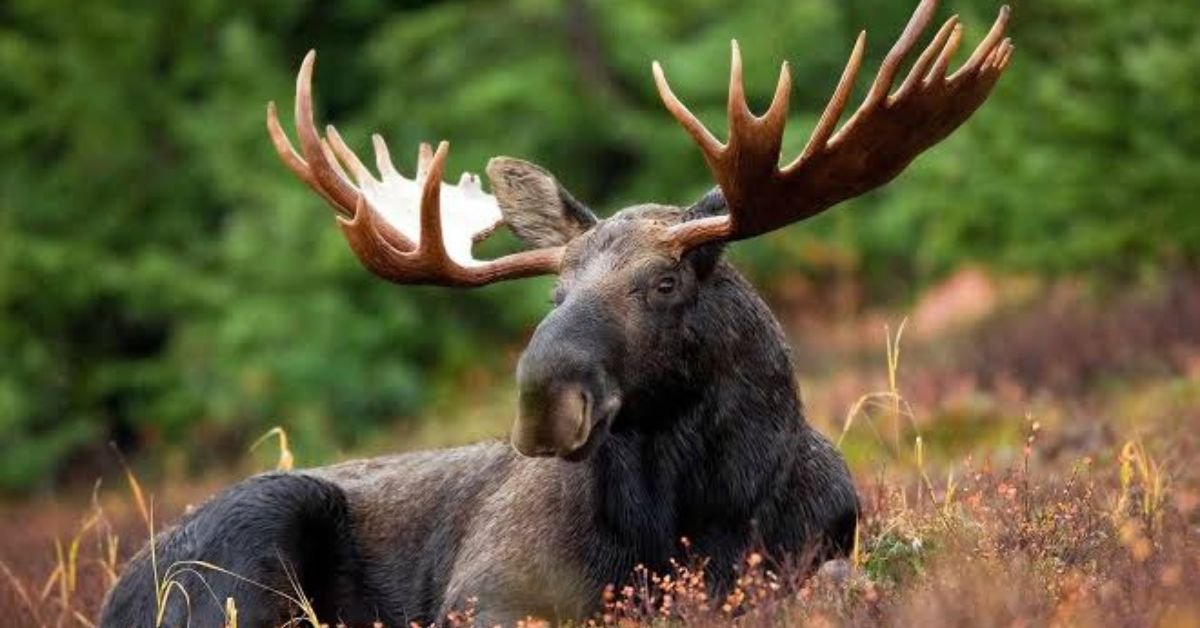
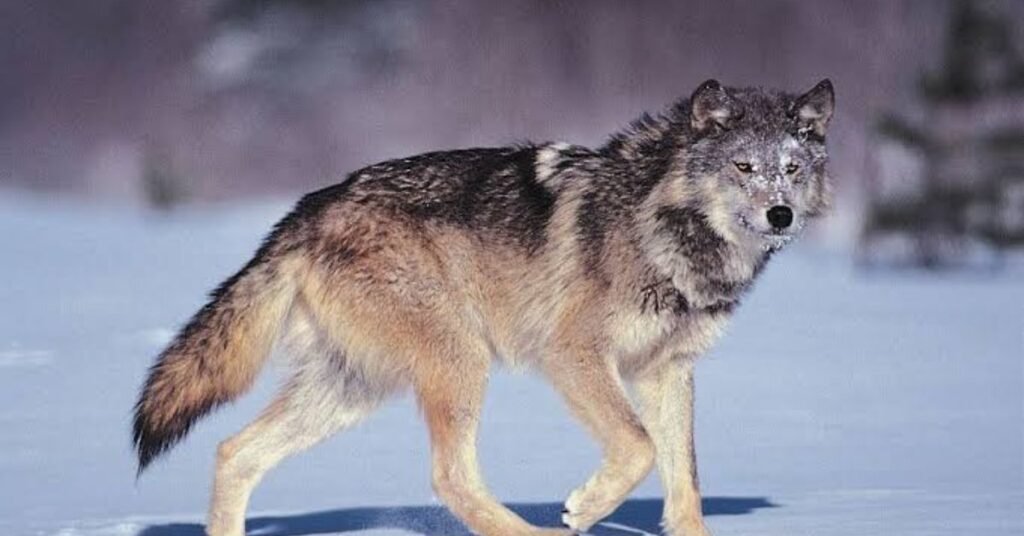
The coniferous forest is home to some truly powerful animals. The moose is one of the most iconic. It is the largest member of the deer family and wades through deep snow with ease. The gray wolf, also called the timber wolf, roams freely through the trees. It stands about three feet tall and has thick fur that repels moisture and cold. Wolves stay at the top of the food chain here and have no natural enemies.
The grizzly bear and black bear are also key players in the wildlife in coniferous forests. Bears eat berries, nuts, fish, and insects. They build up fat reserves through summer and autumn. Then they hibernate through the brutal winter months. Lynx move silently through the forest and hunt snowshoe hares with great precision. Their wide paws act like natural snowshoes. The wolverine is another fierce predator. It eats whatever it can find and is known for its strength and stubborn nature. All these large mammals shape the forest through their feeding habits and movements.
Small Mammals: Busy Creatures of the Coniferous Forest
Small mammals are just as important to the wildlife in coniferous forests as the big ones. The snowshoe hare is a brilliant example of natural adaptation. During summer, its fur is brown, which blends with the forest floor. In winter, it turns white to match the snow. This seasonal camouflage keeps it safe from predators.
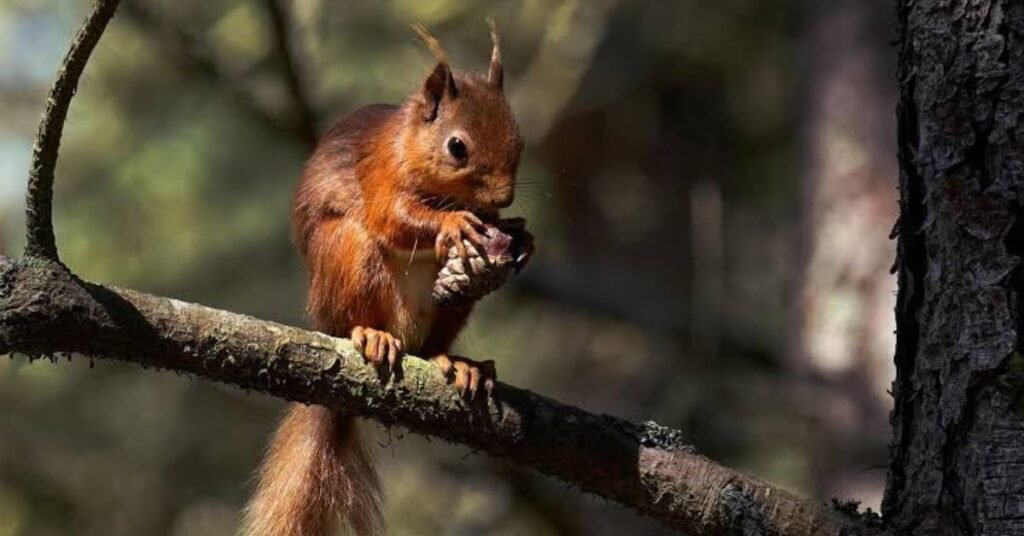
Red foxes are clever and adaptable hunters. They hunt at night, tracking small rodents, birds, and rabbits. Foxes adjust their diet based on what is available. They will eat fruit, fish, worms, and even human scraps if needed. Squirrels stay active through winter and depend on the food they stored in autumn. They bury seeds and nuts underground and find them even under heavy snow.
Porcupines are slow-moving but well-protected. Their sharp quills keep predators at a safe distance. Deer are also common in these forests. They browse on low shrubs and tree bark when other food is scarce. These small mammals fill important roles in the food web and help with seed dispersal across the forest.
Birds: Winged Wildlife in Coniferous Forest
The coniferous forest buzzes with bird activity, especially in summer. Many birds are year-round residents, while others migrate when winter arrives. The bald eagle is one of the most iconic birds here. It nests in tall trees and hunts fish from nearby rivers and lakes. Its sharp eyesight helps it spot prey from great heights.
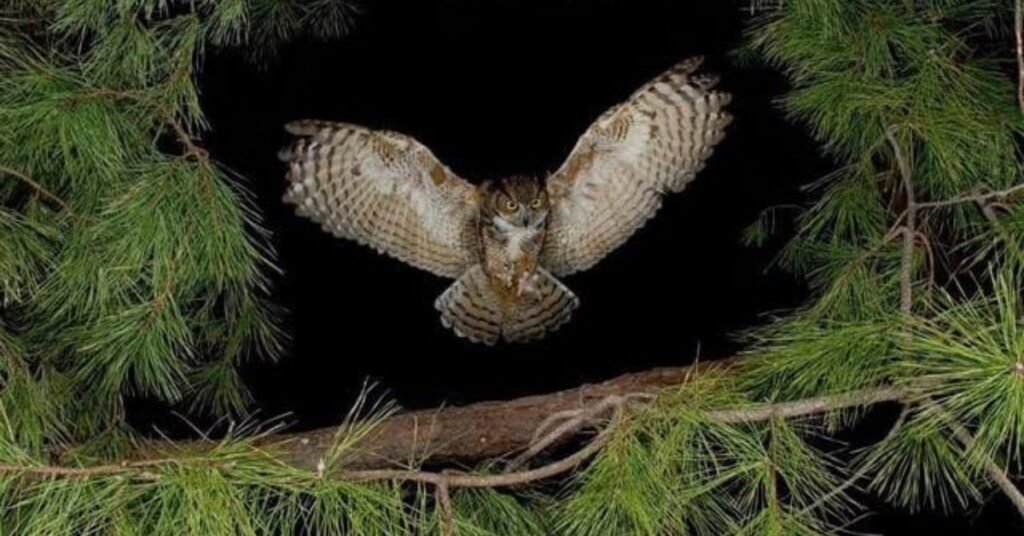
The northern spotted owl lives deep in old-growth coniferous forests. It is a top predator of small rodents and is considered an indicator species — meaning its presence signals a healthy forest. When spotted owl populations decline, scientists know the ecosystem is struggling. The great grey owl is another skilled hunter. It can detect small mammals moving beneath the snow and dives straight through the surface to catch them.
Crossbills have uniquely shaped beaks that allow them to pry open pine cones and extract seeds. This makes them perfectly suited to the coniferous forest diet. The northern goshawk is a fast and agile raptor that chases prey through dense trees. Many songbirds like the pine grosbeak and white-throated sparrow also inhabit these forests, adding colour and song to the ecosystem.
Reptiles and Amphibians: Lesser-Known Wildlife in Coniferous Forest
Reptiles and amphibians are less common in the cold coniferous forest, but they do exist. The common garter snake is one of the most well-known reptiles here. It survives cold winters by entering a state of dormancy. The ring-necked snake and rubber boa also live in coniferous zones. The wood frog is one of the most remarkable amphibians in any forest.
It can actually freeze solid during winter and thaw back to life in spring. Its body produces a natural antifreeze that protects its cells during freezing. This incredible adaptation allows it to survive where most amphibians cannot. Salamanders like the California slender salamander also appear in some coniferous forest regions.
These cold-tolerant creatures play a quiet but important role in controlling insect populations and contributing to nutrient recycling in the soil. Though they are often overlooked, reptiles and amphibians add to the rich tapestry of wildlife in coniferous forests and deserve recognition for their tough survival skills.
Read for more info: https://wildtrailsapp.com/richloam-wildlife-management-area/
Insects: The Tiny but Vital Wildlife in Coniferous Forest
Insects may be small, but they are enormously important in the coniferous forest. There are an estimated 32,000 species of insects living in these ecosystems. They play key roles in pollination, nutrient cycling, and food chains.
Bark beetles are one of the most significant insects here. They normally attack weakened or dying trees. After a forest fire damages trees, bark beetles move in quickly. When their populations grow large, woodpeckers move in to feed on them, which naturally controls the beetle numbers.
This shows the incredible balance of life in the forest. Ants and other decomposers break down dead plant material and enrich the soil. Butterflies and moths help with pollination during the short summer season. Many birds and small mammals depend on insects as a major food source.
Without insects, the entire food web of the coniferous forest would collapse. They may be easy to overlook, but the wildlife in coniferous forests simply could not survive without these tiny creatures working hard every day.
How Wildlife in Coniferous Forests Adapts to Survive
Survival in the coniferous forest requires clever adaptations. Animals here face extreme cold, deep snow, and food shortages in winter. They have developed remarkable strategies over thousands of years. Hibernation is the most well-known adaptation. Bears, squirrels, and some rodents lower their body temperature and sleep through the coldest months.
They survive on stored fat. Migration is another key strategy. Many birds fly thousands of miles to warmer regions in autumn. They return in spring to breed when food is plentiful. Seasonal camouflage helps prey animals stay hidden. The snowshoe hare changes its fur colour with the seasons. T
hick fur and insulating layers keep large mammals like wolves and moose warm in freezing temperatures. Some animals grow extra fur pads on their feet, acting like natural snowshoes. Food storage is another smart tactic. Squirrels bury food for winter. Dietary flexibility also helps — the wolverine and red fox eat almost anything available. These diverse adaptations show just how resilient the wildlife in coniferous forests truly is.
The Food Web of Coniferous Forest Wildlife
The coniferous forest food web is a tightly connected system. Every animal depends on others to survive. Plants and trees form the base of the food web. They produce energy from sunlight and provide food for herbivores. Herbivores like moose, deer, snowshoe hares, and squirrels eat plants, bark, seeds, and berries. They transfer that energy up the food chain.
Omnivores like bears and foxes eat both plants and animals. They connect different levels of the food web. Carnivores like wolves, lynx, and eagles sit near the top. They hunt and eat other animals. At the very top are apex predators like the gray wolf and grizzly bear. They keep prey populations in check. When prey numbers rise, predator numbers follow.
When prey falls, so do predators. This balance prevents any single species from becoming too dominant. Decomposers like insects, fungi, and bacteria break down dead matter and return nutrients to the soil. This cycle of energy keeps the wildlife in the coniferous forest healthy and functioning.
Threats Facing Wildlife in Coniferous Forest
Despite their resilience, the wildlife in coniferous forests face serious threats today. Deforestation is the biggest problem. Logging removes trees at an alarming rate. It is estimated that in northern coniferous forests, one acre is cut down every 12.9 seconds. This destroys habitat and pushes animals out of their homes.
Climate change is another major threat. Rising temperatures shift the zones where certain species can survive. Warmer weather allows deciduous trees to push further north, replacing coniferous trees. Pollution has turned rain more acidic in many regions since the mid-1800s, damaging trees and reducing the food available to forest animals. Invasive species upset the natural balance when they enter these ecosystems.
Land development for roads, housing, and ski slopes breaks up forest habitat into isolated patches. This makes it hard for animals to find mates, food, and shelter. Poaching has also disrupted food chains by wiping out key species. Approximately one-third of all conifer species are currently threatened with extinction, according to the IUCN Red List. Protecting this forest is urgent and necessary.
Conservation Efforts to Protect Coniferous Forest Wildlife
Conservation groups around the world are working hard to protect the wildlife in coniferous forests. The World Wildlife Federation has created protected areas in many countries to shield key species and their habitats. The National Resource Defense Council works with local groups in Canada to educate people and preserve the boreal forest.
Sustainable logging practices are being promoted to reduce habitat loss. These practices allow forests to recover naturally after limited harvesting. Wildlife monitoring programs track the populations of animals like the Canada lynx and spotted owl. This data helps scientists respond quickly when numbers drop. Reforestation projects plant new trees in areas where forests have been cleared.
Carbon pricing policies aim to reduce emissions that cause climate change. Protected wilderness reserves keep large areas safe from development. Public education also plays a key role. When people understand the value of these forests, they are more likely to support protection efforts. The coniferous forest needs our attention now more than ever. The wildlife in coniferous forests depends on the choices we make today.
Why Wildlife in Coniferous Forest Matters to Us All
The coniferous forest does far more than house animals. It is a life support system for the entire planet. These forests store three times more carbon than tropical or temperate forests. This makes them critical in the fight against climate change. They regulate water cycles, filter runoff, and prevent soil erosion. They provide clean air, fresh water, and raw materials like timber and medicine. Many pharmaceuticals come from plants found in these forests.
The forest also supports millions of people who depend on it for food, livelihoods, and culture. Protecting the wildlife in coniferous forests means protecting ourselves. Every species in this ecosystem — from the gray wolf to the bark beetle — plays a role in keeping the forest healthy. When one species disappears, the effects ripple through the entire system.
A forest without wolves sees deer populations explode. Overgrazing strips the forest floor. Soil erodes. Streams fill with silt. Fish disappear. The chain reaction goes on. Healthy wildlife means a healthy forest. A healthy forest means a healthy planet.
Conclusion
The wildlife in a coniferous forest is an extraordinary community of life. From powerful apex predators like wolves and bears to tiny insects working quietly in the soil, every creature has a purpose. These animals have adapted brilliantly to one of Earth’s harshest environments. They survive brutal winters, deep snow, and scarce food through hibernation, migration, camouflage, and dietary flexibility. Yet today, this remarkable ecosystem faces real danger from logging, climate change, pollution, and land development.
The good news is that conservation efforts are making a difference. Protected areas, sustainable practices, and public awareness are helping to preserve these forests and their wildlife. We must continue to support these efforts with urgency. The coniferous forest is not just a forest — it is one of the most important ecosystems on Earth. The animals that live here deserve our protection, and the planet needs this forest to survive. Let us make sure future generations can witness the beauty of wildlife in coniferous forests for themselves.
Frequently Asked Questions (FAQs)
Q1. What types of wildlife live in a coniferous forest?
The coniferous forest is home to a wide range of wildlife. Large mammals include moose, bears, wolves, lynx, and deer. Smaller mammals like foxes, squirrels, snowshoe hares, and porcupines are also common. Birds such as the bald eagle, spotted owl, great grey owl, and crossbill thrive here. Reptiles like garter snakes and amphibians like the wood frog also live in these forests. Insects, including bark beetles and ants, form a massive part of the ecosystem. This diversity makes the coniferous forest one of the richest wildlife habitats on Earth.
Q2. How do animals survive the cold winters in a coniferous forest?
Animals in the coniferous forest use several clever strategies to survive winter. Many mammals, like bears, hibernate, lowering their body temperature and living off stored fat. Birds such as warblers and sparrows migrate to warmer regions. Some animals, like the snowshoe hare, grow white fur in winter to stay hidden in the snow. Others, like squirrels, store food underground in autumn. Wolves and moose grow thick, insulating fur. The wood frog can even freeze solid and come back to life in spring. These amazing adaptations allow wildlife in the coniferous forest to survive extreme cold.
Q3. Why is the coniferous forest important for wildlife conservation?
The coniferous forest represents the largest land-based biome on Earth. It supports thousands of species that have evolved specifically to live there. Protecting this forest protects biodiversity on a massive scale. These forests also store huge amounts of carbon, helping to slow climate change. Healthy forests mean clean water, stable soil, and balanced ecosystems. Many species like the spotted owl and Canada lynx, are already at risk. If the forest disappears, so do they. Conservation of the coniferous forest is essential not just for the animals inside it, but for the health of the entire planet.
Q4. What are the biggest threats to wildlife in coniferous forests today?
The most serious threats include deforestation through logging and land development, climate change causing rising temperatures, acid rain from pollution, and invasive species disrupting the natural balance. Poaching has also reduced populations of key predator species. One acre of coniferous forest is cleared every 12.9 seconds in northern regions. Climate change is pushing coniferous zones further north as warmer conditions favour deciduous trees. Together, these threats are putting enormous pressure on the wildlife that depends on coniferous forests for its survival.
Q5. What is the role of insects in the coniferous forest ecosystem?
Insects are essential to the coniferous forest ecosystem. With around 32,000 species present, they form the backbone of the food web. Insects help with pollination, allowing plants to reproduce. They break down dead wood and leaves, recycling nutrients back into the soil. Many birds, reptiles, and small mammals depend on insects as their main food source. Bark beetles control the health of trees by attacking weakened ones, which then brings in woodpeckers. Without insects, many other species could not survive. They are small in size but enormous in importance to the entire coniferous forest ecosystem.