What Is Raven Ridge Wildlife Center?
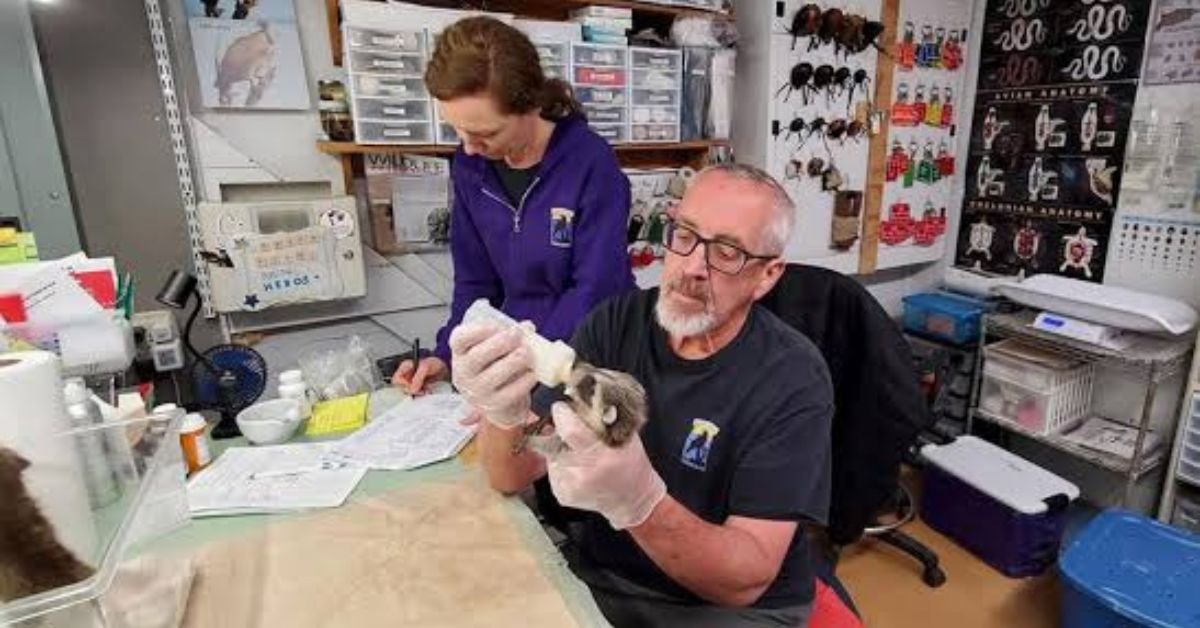
Raven Ridge Wildlife Center is a nonprofit wildlife rehabilitation center located in Washington Boro, Pennsylvania. It sits in the heart of Lancaster County and serves as a haven for injured, orphaned, and distressed wild animals. The center works every single day of the year to rescue animals, nurse them back to health, and release them back into the wild where they belong.
The center’s motto says it all: “Our quality of care is their quality of life.” This simple phrase drives every decision the team makes. Each animal that arrives at Raven Ridge Wildlife Center gets a treatment plan that matches its unique needs. No two animals are treated the same way. The team constantly adapts, learns new methods, and consults other professionals to provide the best care possible.
Raven Ridge is licensed by the PA Game Commission, the USDA, US Fish and Wildlife Service, and the PA Fish and Boat Commission. These licenses allow the center to legally care for a wide variety of native Pennsylvania wildlife. Since opening its doors, the center has rehabilitated over 300 different species of native wildlife — a number that continues to grow every year.
The Inspiring Story Behind Raven Ridge Wildlife Center
Every great organization has a great story. Raven Ridge Wildlife Center is no exception. The center was founded by Tracie Young, one of the few accredited wildlife rehabilitators in Pennsylvania. Her journey into wildlife rehabilitation began in a deeply emotional way.
In 2010, BP’s Deepwater Horizon oil rig exploded in the Gulf of Mexico. Over 8,000 birds and marine animals were found injured or dead. Tracie wanted to help but was turned away because only licensed rehabilitators were allowed to assist. That moment planted a seed in her heart. Shortly after, Tracie and her husband witnessed a Snow Goose being struck by a car. They could not find a rehabilitator to take the bird for three days. That experience broke her heart — and made up her mind.
Tracie enrolled in wildlife rehabilitation classes, driving an hour and a half every weekend just to attend. She trained at Red Creek Wildlife Center for about three years. She pushed herself hard, passed all her certification exams with outstanding scores, and became a fully licensed wildlife rehabilitator in Pennsylvania.
On January 1st, 2015, Tracie opened the doors of Raven Ridge Wildlife Center. She had no idea just how much the community needed it. Today, she serves as the director and lead rehabilitator, covering wildlife needs across 17 counties in Pennsylvania.
Where Is Raven Ridge Wildlife Center Located?
Raven Ridge Wildlife Center is located in Washington Boro, Pennsylvania, in Lancaster County. Washington Boro is a small, quiet borough along the Susquehanna River — a natural setting that fits perfectly with the center’s mission of protecting native wildlife.
The center operates 365 days a year, from 8 AM to 6 PM. However, the facility is not open to the public for general visits. This is an intentional choice. The team believes that keeping wildlife wild means limiting unnecessary human interaction during the rehabilitation process. Animals that grow too comfortable around humans have a lower chance of surviving once they are released.
If you have found an injured or sick wild animal, you can call Raven Ridge Wildlife Center at 717-808-2652. The team will talk you through the proper procedures to safely handle the situation. You do not need to figure it out alone — help is just one call away.
| Key Information | Details |
| Location | Washington Boro, Lancaster County, PA |
| Founded | January 1, 2015 |
| Founder | Tracie Young |
| Hours | 8 AM – 6 PM, 365 days a year |
| Phone | 717-808-2652 |
| Open to the Public? | No (education programs available) |
| Organization Type | Nonprofit (EIN # 47-2143893) |
What Animals Does Raven Ridge Wildlife Center Help?
Raven Ridge Wildlife Center specializes in three major categories of wildlife: birds of prey, mammals, and waterfowl. Within these categories, the center handles some of the most challenging and sensitive species in Pennsylvania.
Raven Ridge is the only center in Lancaster County that specializes in birds of prey. It is also one of only 13 centers in all of Pennsylvania that rehabilitates Rabies Vector Species (RVS). These are animals that can carry and transmit rabies, making their care especially complex and heavily regulated.
The center currently rehabilitates nearly 2,000 animals every year. That number shows just how critical this center is to the region. Without Raven Ridge, many of these animals would have nowhere to go.
Birds of Prey
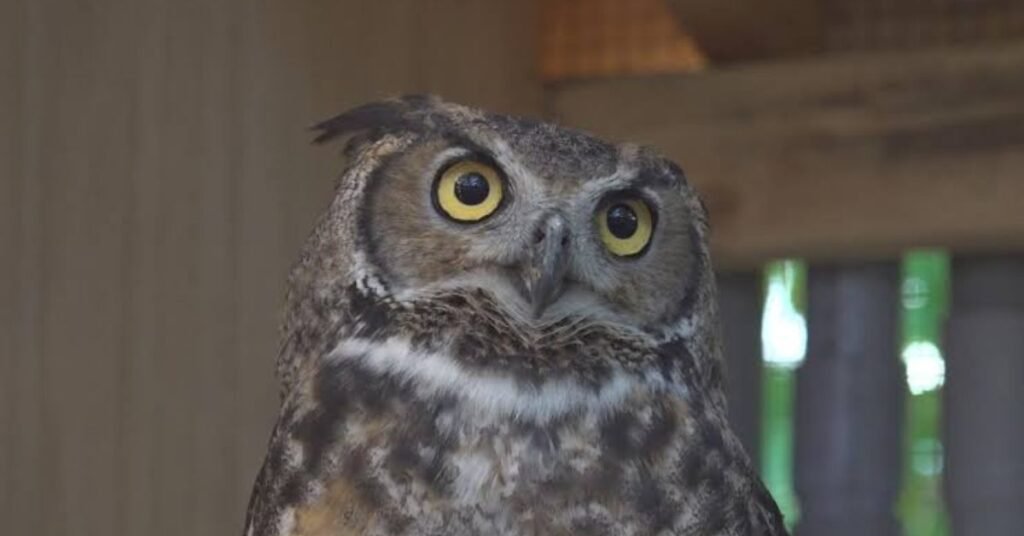
Birds of prey include some of Pennsylvania’s most majestic and important animals. Raven Ridge Wildlife Center treats owls, vultures, hawks, and eagles. Founder Tracie Young has noted that there is no other center serving the southern part of Pennsylvania for these species, making Raven Ridge’s work essential.
Eagles, in particular, often arrive suffering from lead poisoning — a serious and growing problem caused by hunting ammunition and other human-made sources. The center has treated many bald eagles and has even created a special program inspired by one of its earliest eagle patients, named Legacy, to connect veterans with bald eagle release events.
Rabies Vector Species Mammals
Raven Ridge Wildlife Center cares for rabies vector species mammals such as foxes, skunks, raccoons, bats, and woodchucks. Caring for these animals requires special permits, strict protocols, and a great deal of expertise. The center is one of only 13 facilities in Pennsylvania authorized to handle these species, making its role in the state’s wildlife conservation effort truly unique.
Other Wildlife
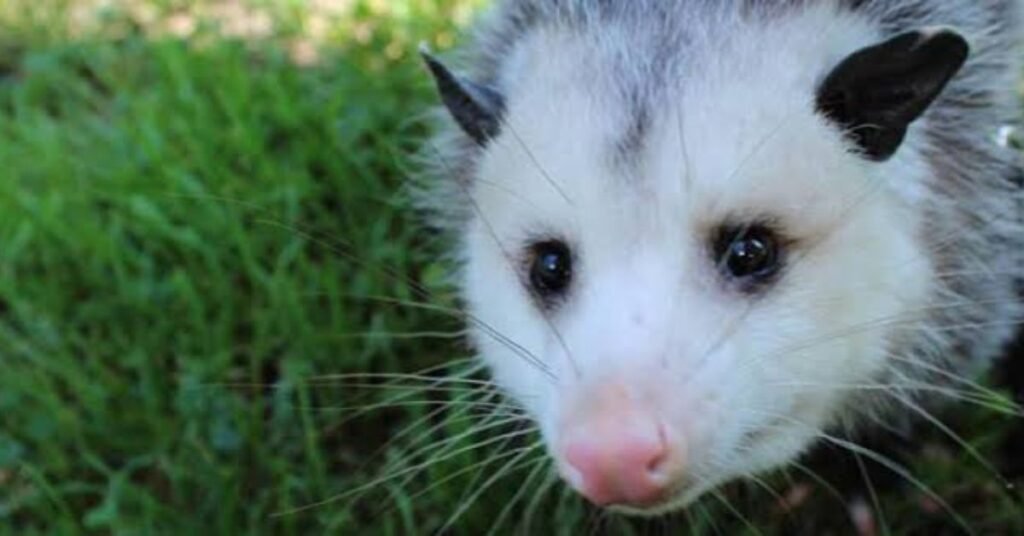
Beyond raptors and rabies vector species, the center also helps waterfowl, opossums, bobcats, and many other native Pennsylvania animals. In early 2026, Raven Ridge Wildlife Center gained national attention when it received and treated a 1-year-old female bobcat after emergency surgery. Donations poured in from across the country — over $10,000 was raised to cover her medical bills. A Lancaster County poultry company even donated 120 pounds of chicken legs to help feed her during recovery.
| Animal Category | Species Examples |
| Birds of Prey (Raptors) | Owls, Eagles, Hawks, Vultures, Falcons |
| Rabies Vector Mammals | Foxes, Raccoons, Skunks, Bats, Woodchucks |
| Waterfowl | Geese, Ducks |
| Other Mammals | Opossums, Bobcats, Squirrels |
How Raven Ridge Wildlife Center Rehabilitates Animals
The rehabilitation process at Raven Ridge Wildlife Center is never a simple formula. Every animal gets individualized care based on its species, condition, and the type of injury or illness it has. The team includes trained volunteers, a medical director, and founder Tracie Young herself — all working together to give each animal the best chance of survival.
The center has invested in life-saving medical equipment that allows them to treat a wider range of injuries and illnesses. The team also provides physical therapy for long-term residents who need it. Hot and cold running water, proper medical supply storage, indoor and outdoor caging, and incubators for baby animals all form part of the infrastructure that makes high-quality care possible.
The goal is always the same — release the animal back into the wild. Every decision, every treatment, and every feeding is aimed at preparing the animal for a successful return to its natural habitat. As Tracie Young describes it, the moment an animal is released is pure joy: “You just see the lightbulb go off. It’s like, ‘I’m free. I have a second chance.'”
The Ambassador Program at Raven Ridge Wildlife Center
Some animals that arrive at Raven Ridge Wildlife Center cannot be released back into the wild. This happens when an injury is too severe, or when an animal has become too used to humans — a process called imprinting. These animals are classified as “unreleasable.”
But at Raven Ridge, every animal deserves a second chance. Unreleasable animals become permanent residents of the center. The best candidates among them become animal ambassadors — living representatives of their species who take part in education programs for the public.
Becoming an ambassador is not automatic. Tracie Young carefully evaluates each animal’s temperament, how it interacts with handlers, and how comfortable it is around people. Animals must show the right qualities before they earn their ambassador role.
Some of the beloved ambassadors at Raven Ridge Wildlife Center include:
- Teddy — a Barred Owl
- Barron (also known as Barron von Vulture) — a Black Vulture
- Phoenix — a Peregrine Falcon
These animals appear at public events and education programs, helping people connect with wildlife in a safe and meaningful way. As Education Coordinator Molly Snavely explains: “Once people see that animal, they connect with them and their story, and then they want to go out and protect these animals in the future.”
Education Programs at Raven Ridge Wildlife Center
Education is a core pillar of what Raven Ridge Wildlife Center does. The center runs a wide range of programs for schools, libraries, community events, and private groups. These programs do two important things: they spread awareness about wildlife conservation, and they help fund the center’s operations since Raven Ridge receives no state, local, or federal funding.
The center’s Education Coordinator, Molly Snavely, manages these programs. Molly was born and raised in Lancaster County, holds a degree in education from Millersville University, and brings her passion for nature and youth education into every program she runs.
Programs cover topics like:
- Pennsylvania native wildlife species
- Birds of prey, mammals, and reptiles
- How injured animals arrive at the center and how they are treated
- Wildlife laws and regulations
- How to safely respond if you find an injured animal
- The role of each species in the local ecosystem
Raven Ridge Wildlife Center has visited Lancaster County libraries and schools across the region. Programs are appropriate for all ages — from toddlers to adults. You can book an education program or event by filling out an online Interest Form on the center’s website.
The Legacy Program: Honoring Veterans Through Wildlife
One of the most moving programs at Raven Ridge Wildlife Center is the Legacy Program. This special initiative was inspired by one of the first bald eagles the center ever treated — a bird named Legacy who had suffered from lead poisoning.
The program invites veterans to attend bald eagle release events — moments when a fully recovered eagle is set free back into the wild. It is a powerful, emotional experience that connects the strength and resilience of America’s national bird with the courage and sacrifice of veterans who have served the country.
This program is just one example of how Raven Ridge Wildlife Center goes beyond simple animal care. The center recognizes that wildlife conservation touches human lives in deep and meaningful ways.
Read for more info: https://wildtrailsapp.com/catoosa-wildlife-management-area/
Volunteering at Raven Ridge Wildlife Center
Raven Ridge Wildlife Center runs almost entirely on the hard work of its volunteers. With a team of over 40 dedicated volunteers, the center operates seven days a week, every day of the year. Volunteers feed animals, clean enclosures, assist with medical care, support educational events, and help with fundraising.
Volunteering at Raven Ridge is a serious commitment. Volunteers must be at least 25 years old and commit to a minimum of four hours per week. Full training is provided. People from all walks of life volunteer at the center — retired teachers, professionals, animal lovers, and conservation advocates all work side by side.
Volunteer Karen Albert-McFadden, a retired science teacher from Winding Hills, describes what draws people to the center: “What keeps me coming back to Raven Ridge is the community of volunteers and Tracie. This community goes above and beyond to help animals be released back into the wild and have a second chance at life.”
If you want to make a real difference for wildlife in Lancaster County, volunteering at Raven Ridge Wildlife Center is one of the best ways to do it.
How to Support Raven Ridge Wildlife Center
Raven Ridge Wildlife Center does not receive any government funding. Every dollar it spends on food, medicine, electricity, and equipment comes from public donations and community support. This makes your contribution — big or small — incredibly important.
There are several ways you can support Raven Ridge Wildlife Center:
| Support Option | How It Helps |
| One-time donation | Covers immediate medical and food costs |
| Monthly giving | Provides steady, reliable funding |
| Amazon Wishlist | Donate specific supplies the center needs |
| Volunteer your time | Directly care for and support animals |
| Book an education program | Helps fund operations while spreading awareness |
| Estate planning gifts | Creates long-term support for the center |
The center also participates in Lancaster County’s ExtraGive fundraising event each year, where the community can rally together to support local nonprofits. Every donation goes directly toward animal care — not administration or advertising.
You can donate via the Raven Ridge Wildlife Center website or through Venmo @ravenridgewildlifecenter.
Why Raven Ridge Wildlife Center Matters to Pennsylvania
Pennsylvania is home to an incredible diversity of wildlife. But that wildlife faces growing threats — habitat loss, road accidents, lead poisoning, disease, and human development all take a heavy toll on native animals every year. Raven Ridge Wildlife Center stands in the gap between injury and death, between suffering and survival.
Founder Tracie Young put it plainly: “I never anticipated the need to be as great as it is.” The center started serving Lancaster County and now covers 17 counties across Pennsylvania. For birds of prey in the southern part of the state, Raven Ridge is the only option available for hundreds of miles.
Every animal that the Raven Ridge Wildlife Center successfully releases back into the wild contributes to a healthier, more balanced ecosystem. Owls control rodent populations. Eagles signal the health of waterways. Foxes regulate prey species. Each recovered animal plays a real role in the natural world. When Raven Ridge saves an animal, it saves a piece of Pennsylvania’s natural heritage.
Conclusion
Raven Ridge Wildlife Center is more than just a place where injured animals heal. It is a symbol of what a community can accomplish when it comes together for the natural world. Founded by the passionate and determined Tracie Young in 2015, the center has grown from a single rehabilitator’s dream into a powerful force for wildlife conservation across Pennsylvania.
From eagles and owls to foxes and bobcats, Raven Ridge Wildlife Center gives every animal the care, dignity, and fighting chance it deserves. Its education programs inspire the next generation of conservationists. Its ambassador animals bridge the gap between humans and wildlife. And its dedicated team of volunteers proves that ordinary people can do extraordinary things.
If you love wildlife — or even if you have just never thought much about it — Raven Ridge Wildlife Center is a place worth knowing about, supporting, and celebrating. Because every wildlife matters.
Frequently Asked Questions (FAQs)
Q1: Where is Raven Ridge Wildlife Center located? Raven Ridge Wildlife Center is located in Washington Boro, Lancaster County, Pennsylvania. The mailing address is P.O. Box 38, Washington Boro, PA. The facility is not open for public walk-in visits, but you can call them at 717-808-2652 or book an education program through their website.
Q2: What types of animals does Raven Ridge Wildlife Center treat? Raven Ridge Wildlife Center treats birds of prey (owls, eagles, hawks, vultures, and falcons), rabies vector species mammals (foxes, raccoons, skunks, bats, and woodchucks), waterfowl, and other native Pennsylvania wildlife such as opossums and bobcats. It is the only raptor rehabilitation center in Lancaster County and one of just 13 centers in Pennsylvania licensed to treat rabies vector species.
Q3: How can I report an injured animal to Raven Ridge Wildlife Center? If you find an injured or sick wild animal, call Raven Ridge Wildlife Center at 717-808-2652. The team will guide you through the right steps to safely handle the situation. Do not attempt to care for wildlife on your own, as this can be dangerous for both you and the animal.
Q4: Does Raven Ridge Wildlife Center accept volunteers? Yes! Raven Ridge Wildlife Center relies heavily on volunteers to operate. Volunteers must be at least 25 years old and commit to a minimum of four hours per week. Full training is provided. You can learn more and apply through their official website at ravenridgewildlifecenter.org.Q5: How can I donate to Raven Ridge Wildlife Center? You can donate to Raven Ridge Wildlife Center through their website, via Venmo at @ravenridgewildlifecenter, or through their Amazon Wishlist. The center also accepts monthly donations and estate gifts. Since Raven Ridge receives zero government funding, every donation directly supports animal care, food, medicine, and facility upkeep.