Introduction: When Wild Animals Hit the Streets
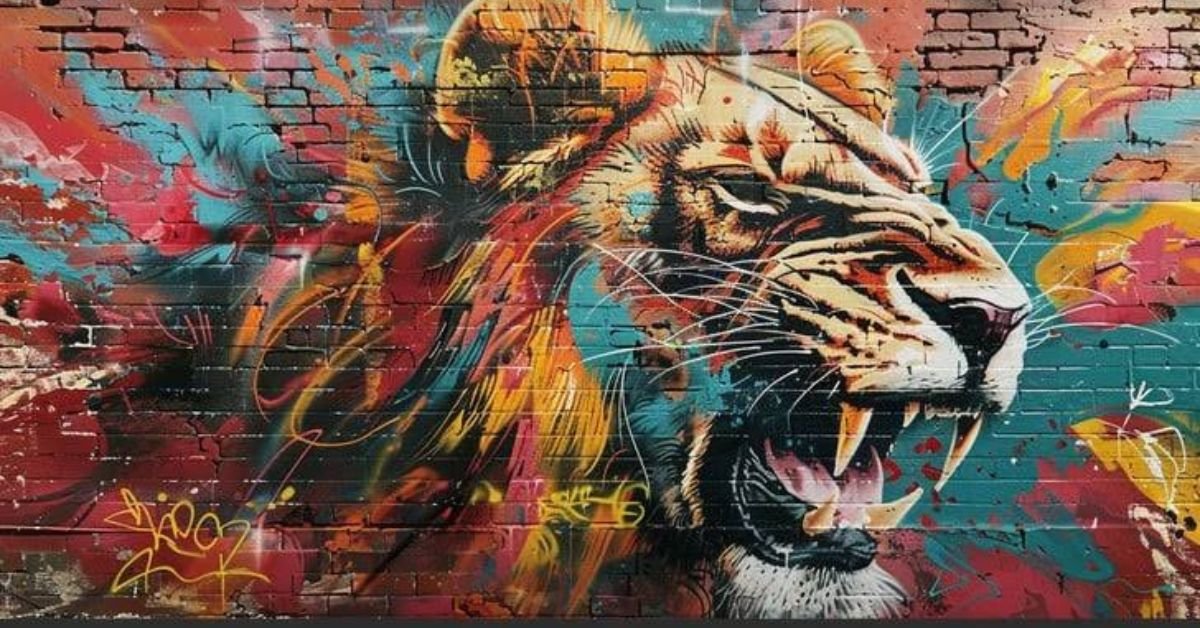
Imagine walking down a busy city street and suddenly coming face to face with a giant tiger painted on a crumbling wall. Its eyes look alive. Its colors pop against the grey concrete. For a moment, you forget you’re in a city. That’s the magic of wildlife graffiti.
Wildlife graffiti is a form of street art that features animals, birds, insects, and other creatures from the natural world. Artists paint these murals on walls, bridges, buildings, and public spaces. The result is a stunning mix of urban life and wild nature. This art form has grown from simple spray-painted tags into a powerful global movement.
Today, wildlife graffiti does more than decorate walls. It tells stories. It sparks conversations. It pushes people to think about the planet, endangered species, and the world beyond the city. Whether you are a street art lover, an animal fan, or someone who cares about conservation, wildlife graffiti has something to say to you.
The History of Wildlife Graffiti
From Cave Walls to City Walls
The idea of painting animals on walls is not new. The earliest known examples of wildlife art date back to prehistoric times, with cave paintings from 30,000 years ago depicting animals such as bison, horses, and deer. These early humans used walls as their canvas, just like modern street artists do today.
Fast forward to the 20th century. Graffiti art has its origins in 1970s New York, when young people began to use spray paint and other materials to create images on buildings and on the sides of subway trains. At first, graffiti was mostly about letters, tags, and names. Then artists started looking beyond words. They looked to the natural world for inspiration.
Over time, wildlife graffiti emerged as its own powerful style. Artists began to mix the raw energy of graffiti with the beauty of nature. They brought lions, wolves, eagles, and elephants to the city walls. The urban jungle now had a real jungle inside it. Today, wildlife graffiti is a recognized and respected art form that reaches millions of people around the world.
How Wildlife Graffiti Became a Movement
Wildlife graffiti grew into a global movement for many reasons. Cities kept expanding. Green spaces kept shrinking. People in urban areas felt disconnected from nature. Artists saw a gap they could fill. Urban animal murals showcase wildlife adapting to city environments, blending gritty urban textures with vibrant animal imagery.
At the same time, the rise of social media changed everything. A single mural painted on a wall in Lisbon or London could go viral overnight. Millions of people could see it. This gave wildlife graffiti artists a platform that no gallery could match. The streets became the world’s biggest art gallery.
Why Artists Choose Wildlife as a Subject
The Power of Animal Imagery
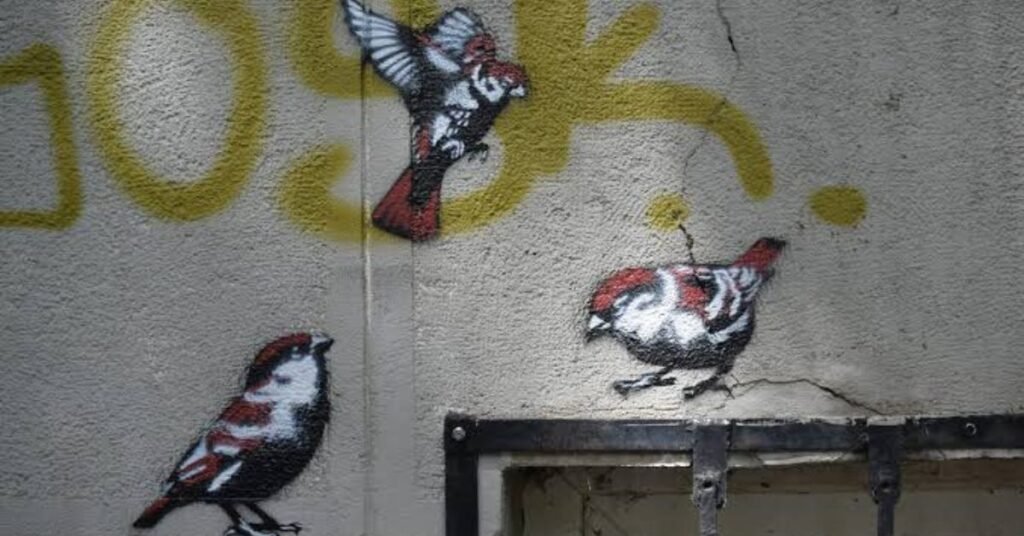
Animals carry deep meaning for humans. They represent strength, freedom, wisdom, and survival. When an artist paints a giant eagle on a city wall, people stop. They stare. They feel something. Animals connect with us on a level that words often cannot.
Graffiti can be a powerful artistic medium, and animal-inspired street art helps convey important messages about the creatures we interact with on a daily basis. Whether the message is about animal rights or simply appreciating the beauty of a misunderstood species, these beautiful murals capture attention.
Artists use wildlife graffiti to share ideas that words alone cannot express. A painting of a polar bear standing on a melting ice cube says more about climate change than a long article ever could. A mural of a caged elephant makes people feel the weight of animal cruelty in an instant. This is the power of visual storytelling.
Animals as Symbols of Conservation
Many wildlife graffiti artists are not just painters. They are activists. They care deeply about what is happening to the planet. They use their art to speak up for animals that cannot speak for themselves.
Street art murals can serve as powerful tools to raise awareness about endangered animal species and the need to protect their habitats from human-led activities. When a mural of a critically endangered species appears on a city wall, it puts that animal in front of thousands of people every single day. It makes the invisible visible. It turns a distant environmental problem into something personal and real.
Famous Wildlife Graffiti Artists You Should Know
Banksy – The Mystery Artist
No conversation about wildlife graffiti is complete without mentioning Banksy. This anonymous British artist is one of the most famous street artists in the world. Banksy has used animals in his work for decades, always with a message.
In August 2024, Banksy unveiled a new animal-themed mural each day for nine days across London, with each piece cryptically announced at 1:00 PM on his Instagram without explanation. The series began in West London with a lone mountain goat perched precariously on Kew Bridge, with the series expanding to include elephants, monkeys, a lone wolf, and even a rhinoceros on a car.
The London Zoo said its mural had sparked thought-provoking conversations from people ranging from a 5-year-old to Banksy buffs. The zoo’s chief operating officer stated they were “incredibly grateful to Banksy for putting wildlife in the spotlight.” This shows how a single piece of wildlife graffiti can reach a global audience and inspire real dialogue.
ROA – The Monochrome Master
ROA is a Belgian street artist who creates massive black-and-white murals of animals. His style is unique and instantly recognizable. ROA is known for his large-scale murals of animals, often painted in monochrome. His work draws attention to the beauty of the natural world and the importance of wildlife conservation. By focusing on endangered species and those affected by human activities, ROA’s murals inspire viewers to consider the ecological and ethical implications of their actions.
ROA often focuses on the animals local to each area he visits. He paints birds, rodents, foxes, and other creatures that people walk past every day without noticing. His wildlife graffiti gives these overlooked animals a moment of dignity and grandeur.
Sonny – The Wildlife Warrior
South African artist Sonny is on a mission. He travels the world painting murals of endangered animals as part of his campaign called “To The Bone.” Sonny’s “To The Bone” campaign uses murals of endangered creatures to wake people up to the extinction crisis.
Sonny spent seven days with ever-changing weather and 240 litres of paint to produce a mural of a Far Eastern leopard in Vladivostok, Russia. This level of dedication shows how seriously some wildlife graffiti artists take their conservation message. Sonny’s murals are not just paintings. They are calls to action.
Bordalo II – Art from Trash
Portuguese artist Bordalo II takes wildlife graffiti in a different direction. He builds large 3D animal sculptures out of discarded waste and trash. His series “Big Trash Animals” is a striking commentary on pollution and its effects on wildlife, with each sculpture crafted from recycled trash. Bordalo II uses the streets as his canvas, turning waste into art that makes bold statements about sustainability.
His work is clever and unforgettable. By making animals out of the very pollution that destroys them, he creates a powerful visual irony that sticks in the mind.
DALeast – The Wire Weaver
DALeast is a Chinese artist who creates some of the most visually spectacular wildlife graffiti in the world. DALeast’s techniques are very visually stimulating: from an interlacing of what looks like metallic wires emerge figures in motion, most frequently animals, that he considers with a lot of empathy as indispensable creatures for the well-being of the planet.
His murals look like animals made of shattered light and tangled wires. They are both beautiful and unsettling. DALeast has painted across the globe, from Miami to London, Johannesburg to Los Angeles.
Wildlife Graffiti and Conservation: Making a Real Difference
Murals That Speak for Endangered Species
The latest WWF 2022 Living Planet Report shows global wildlife populations have plummeted by 69% on average since 1970. In the face of this crisis, wildlife graffiti has become an important tool for conservation organizations.
Groups like the Center for Biological Diversity run dedicated programs that use murals to highlight threatened animals. The Endangered Species Mural Project has painted murals across the United States featuring species like the Guyandotte River crayfish, the spectacled eider, the North Pacific right whale, and the Mexican gray wolf. Each mural puts a face to an endangered species and helps local communities connect with the animals that live near them.
The Emotional Impact of Wildlife Graffiti
Wildlife graffiti works because it touches people emotionally. Seeing a giant mural of a magnificent animal in your own neighborhood creates a bond. It makes abstract conservation issues feel local and personal.
Street artists are making a positive impact by using their creative talents to bring attention to important social issues. Their artwork has the power to reach a wider audience than traditional forms of art, and it catalyzes meaningful conversations and positive changes in society.
When a child walks past a wall painted with a beautiful tiger every day on the way to school, that child grows up caring about tigers. That is the long-term power of wildlife graffiti. It plants seeds of awareness that can last a lifetime.
Styles and Techniques in Wildlife Graffiti
Different artists use different approaches to create their wildlife graffiti. Here is a quick overview of the main styles:
| Style | Description | Key Artists |
| Photorealism | Hyper-detailed, lifelike animal portraits | Sonny Sundancer |
| Monochrome | Black and white murals, raw and powerful | ROA |
| Abstract/Wire | Fragmented lines and shapes form animals | DALeast |
| Stencil Art | Spray paint through cut stencils, bold and fast | Banksy |
| Trash Sculpture | 3D animals made from discarded waste | Bordalo II |
| Surrealist | Dreamlike, unusual animal combinations | Alexis Diaz |
| Geometric | Clean shapes and patterns form animals | DZIA |
Each style brings something unique to the world of wildlife graffiti. Together, they create a rich and diverse art form that never stops evolving.
Wildlife Graffiti Around the World
Where to Find the Best Wildlife Graffiti
Wildlife graffiti appears on walls in almost every country. Some cities have become famous for their animal murals. Here is a look at some of the best places to find stunning wildlife graffiti:
| City / Country | Notable Wildlife Graffiti Scene |
| London, UK | Banksy’s 2024 animal series, ATM’s bird murals |
| Lisbon, Portugal | Bordalo II’s trash animal sculptures |
| Cape Town, South Africa | Faith47’s powerful wildlife murals |
| New York, USA | Sonny Sundancer’s tiger mural at 188 Lafayette St. |
| Vladivostok, Russia | Sonny’s Far Eastern leopard mural |
| Coimbra, Portugal | Bordalo II’s gorilla sculpture on plastic pollution |
| Eugene, Oregon, USA | Hua Tunan’s tiger mural |
Each of these locations offers a chance to experience wildlife graffiti at its most powerful. Many have become tourist destinations in their own right.
Read for more info: https://wildtrailsapp.com/ochsner-park-zoo-complete-guide/
Community Wildlife Graffiti Projects
Not all wildlife graffiti comes from famous artists. Some of the most impactful work happens at the community level. Street artist ATM has painted street art across London, the UK, and around the world, often working with conservation projects. His work raising awareness of the natural world takes place in a local community setting, linking paintings to the nature of the local area.
Local youth groups, schools, and neighborhood organizations often collaborate with artists to create murals that celebrate the wildlife in their own area. These projects do more than create art. They build community pride, educate young people, and strengthen the link between people and the natural world around them.
The Debate Around Wildlife Graffiti
Art or Vandalism?
Wildlife graffiti sits in a complicated space. Some of it is created with full permission on commissioned walls. Some of it is painted without permission on private or public property. This raises questions about legality and respect for public spaces.
Many cities have become more welcoming of wildlife graffiti over time. They see the value in having colorful, meaningful murals in their streets. Some cities even invite artists to paint specific walls or set up designated areas for street art. However, unauthorized wildlife graffiti can still lead to legal trouble for artists.
The debate continues. Most people agree, though, that when wildlife graffiti is done thoughtfully and with respect, it adds enormous value to a community.
Does Wildlife Graffiti Actually Help Animals?
Some people ask whether painting pictures of animals on walls actually makes any real difference for conservation. The answer is yes, but indirectly. Wildlife graffiti raises awareness. It sparks conversations. It inspires donations to conservation charities. It encourages people to support environmental policies.
Community-engaged wildlife murals foster local pride, raise awareness about endangered species, and involve youth in artistic expression. Urban wildlife street art delivers conservation messages, connecting city dwellers with nature and highlighting the need for environmental responsibility.
Art alone cannot save a species. But art can change the way people think and feel. And changed minds lead to changed behavior. In that sense, wildlife graffiti plays a real and important role in conservation.
How Wildlife Graffiti Is Changing Urban Spaces
Turning Grey Cities Green
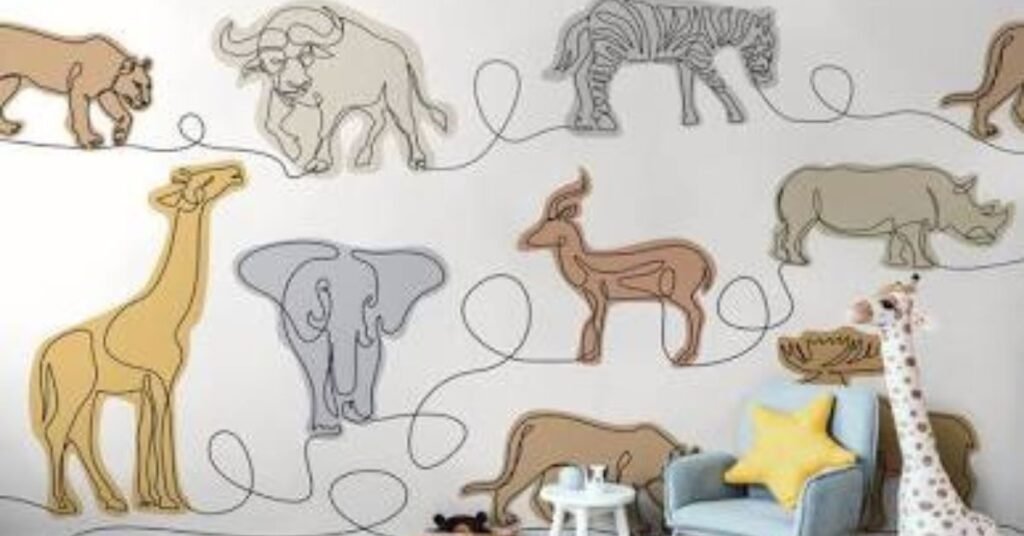
Cities are often cold, grey, and disconnected from nature. Wildlife graffiti changes that. A single well-placed mural can transform a dull building into a living, breathing reminder of the natural world. It brings color, energy, and meaning to spaces that would otherwise be blank and forgotten.
By reintroducing nature into the urban landscape, artists help people rediscover their environment. From raising awareness about animal rights to simply appreciating the beauty of creatures, there are many themes found in animal-inspired street art.
Wildlife graffiti also makes cities more beautiful and interesting. It gives people something to discover, something to talk about, and something to photograph and share. It creates a sense of wonder in everyday urban life.
Inspiring the Next Generation
Perhaps the greatest impact of wildlife graffiti is on young people. Children who grow up in cities often have very little contact with wild animals. They see nature on screens, not in real life. Wildlife graffiti puts nature right in front of them, in their own streets and neighborhoods.
When young people see beautiful, powerful murals of animals on the walls around them, they naturally grow curious. They ask questions. They want to learn more. This curiosity can grow into a lifelong love of nature and a commitment to protecting the planet. In this way, wildlife graffiti helps to raise a generation of future conservationists.
The Future of Wildlife Graffiti
New Artists, New Voices
The wildlife graffiti scene is growing rapidly. New artists emerge every year, each bringing fresh styles and new perspectives. Artists from Africa, Asia, Latin America, and the Middle East are adding their voices to the global conversation. They paint the animals of their own regions, sharing stories that the mainstream art world often ignores.
Technology is also changing wildlife graffiti. Some artists now use augmented reality (AR) to add digital layers to their murals. A painted lion can seem to roar when you point your phone at it. A painted butterfly can appear to fly off the wall. These new tools make wildlife graffiti even more immersive and impactful.
Wildlife Graffiti and the Climate Crisis
As the climate crisis deepens, wildlife graffiti will only become more important. More species face extinction. More habitats disappear. More people need to understand what is at stake. Artists who use their work to highlight these issues are doing vital work.
The walls of our cities can become a continuous, ever-changing record of the natural world. They can show us what we risk losing. They can remind us of what we still have to protect. Wildlife graffiti gives artists a canvas as big as the world itself, and a message as urgent as the crisis we face.
Conclusion
Wildlife graffiti is far more than paint on a wall. It is a bridge between the human world and the natural world. It is a conversation that happens on the streets, in full view of everyone who passes by. It is art that refuses to hide in galleries and insists on being seen.
From Banksy’s mysterious London animals to Sonny’s passionate murals of endangered species, from Bordalo II’s haunting trash sculptures to ROA’s monumental black-and-white beasts, wildlife graffiti speaks a universal language. It reminds us that animals matter. It reminds us that the planet needs our care. And it does all of this with beauty, creativity, and raw emotional power.
The next time you walk past a painted animal on a city wall, stop for a moment. Look at it. Think about where that animal lives in the real world. Think about what it faces. Think about what you can do. That is exactly what the artist intended. That is the true power of wildlife graffiti.
Frequently Asked Questions (FAQs)
Q1. What is wildlife graffiti? Wildlife graffiti is a style of street art that features animals, birds, and other creatures from the natural world. Artists use spray paint, stencils, and other materials to paint large murals of wildlife on city walls, buildings, and public spaces. It combines the energy of urban graffiti with the beauty and meaning of the natural world.
Q2. Who are the most famous wildlife graffiti artists? Some of the most celebrated wildlife graffiti artists include Banksy, known for his animal-themed stencil work in London; ROA, a Belgian artist famous for his giant black-and-white animal murals; Sonny Sundancer from South Africa, who paints endangered species worldwide; Bordalo II from Portugal, who creates animal sculptures from recycled trash; and DALeast from China, known for his wire-like animal murals.
Q3. How does wildlife graffiti help conservation? Wildlife graffiti raises awareness about endangered animals and environmental issues. Large murals in busy cities put threatened species in front of thousands of people every day. This creates emotional connections, sparks conversations, and can inspire people to support conservation charities, change their habits, and advocate for stronger environmental protections.
Q4. Is wildlife graffiti legal? It depends on where and how it is created. Many wildlife graffiti murals are fully commissioned works created with the permission of building owners or local governments. Others are unauthorized works painted without permission, which can be considered vandalism under the law. Many cities now actively support and commission street art, recognizing the cultural and community value it brings.
Q5. Where can I see the best wildlife graffiti in the world? Some of the best places to see wildlife graffiti include London (Banksy’s animal series and ATM’s bird murals), Lisbon (Bordalo II’s trash animal sculptures), New York (Sonny Sundancer’s tiger mural on Lafayette Street), Cape Town (Faith47’s wildlife murals), and various cities across Europe and the Americas that host street art festivals featuring wildlife-themed works.