Introduction
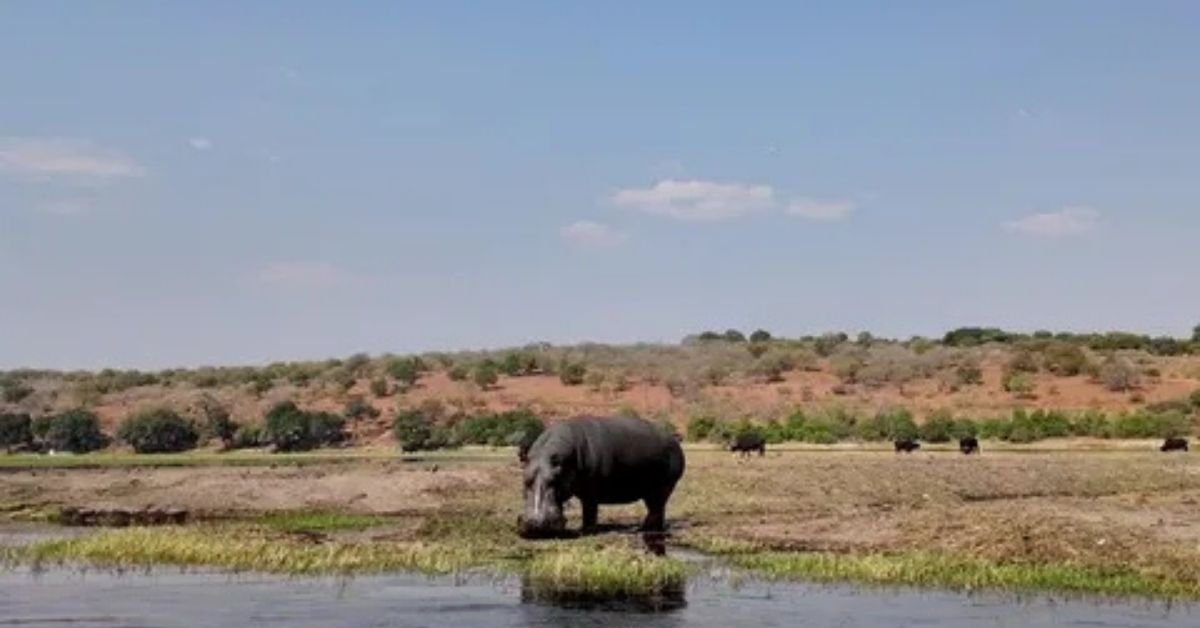
Wildlife Works Panorama is a place where people can see and learn about animals in nature. It focuses on wildlife conservation and education. Visitors can explore forests, wetlands, and open fields to observe mammals, birds, and reptiles safely.
This place is perfect for nature lovers and families. You can see animals up close and enjoy beautiful landscapes. From colorful birds to curious mammals, there is always something interesting to discover.
In this guide, we will cover everything about Wildlife Works Panorama. You will learn what animals live there, the best viewing spots, and tips for a fun and safe visit. This guide will help you make the most of your wildlife adventure.
Community Access Points
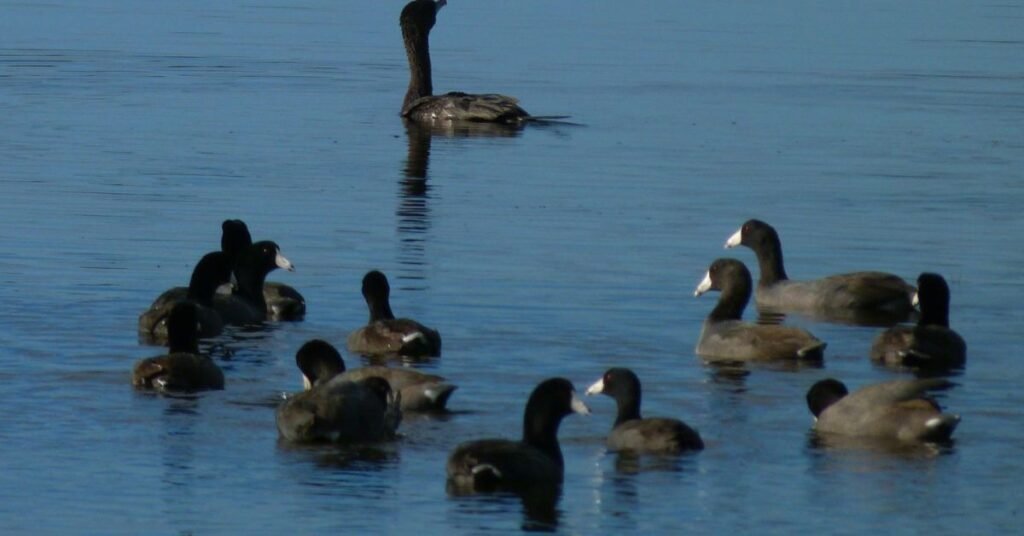
Community access points are places where people can connect with wildlife and nature. They include parks, nature trails, and local wildlife centers. These spots make it easy for families and students to learn about animals and the environment.
At these access points, visitors can watch birds, spot small mammals, or explore ponds and forests. Programs and guided tours often help people understand wildlife better. Community access points bring nature closer to everyone in a safe and fun way.
Conservation Project Management
Conservation project management is the process of planning and protecting wildlife and natural habitats. It helps ensure animals, plants, and ecosystems stay healthy and safe. Projects can focus on forests, wetlands, rivers, or endangered species.
Managers organize teams, track progress, and solve problems that affect wildlife. They work with scientists, volunteers, and local communities. Effective conservation project management helps protect Pennsylvania’s wildlife for future generations.
Strategic Planning and Frameworks
Strategic planning and frameworks help guide wildlife and conservation efforts. They set clear goals, priorities, and actions to protect animals and habitats. This ensures resources are used efficiently, and projects stay on track.
Frameworks provide step-by-step approaches for managing ecosystems, monitoring species, and preventing threats. They also help teams coordinate with scientists, communities, and government agencies. Good planning keeps wildlife programs organized and effective.
Capacity Building and Training
Capacity building and training help people learn the skills needed to protect wildlife. It teaches staff, volunteers, and community members how to care for animals and manage habitats.
Training programs cover wildlife monitoring, safety, conservation techniques, and public education. Strong skills and knowledge make wildlife programs more effective and help preserve Pennsylvania’s natural environment for the future.
Wildlife Alliance

Wildlife Alliance is a group dedicated to protecting animals and their habitats. They work to conserve forests, wetlands, and other natural areas where wildlife lives.
The alliance runs programs for education, research, and community involvement. By working with volunteers, scientists, and local communities, Wildlife Alliance helps keep ecosystems healthy and animals safe for generations to come.
Solutions Connected with Wildlife Alliance
Wildlife Alliance provides solutions to protect animals and their habitats. They focus on habitat restoration, species conservation, and preventing human-wildlife conflicts.
They also run education programs to teach communities about wildlife. Research projects help track animal populations and health. By combining science, awareness, and community action, Wildlife Alliance creates practical solutions to keep wildlife safe and ecosystems balanced.
PANORAMA Restoration
PANORAMA Restoration focuses on restoring natural habitats for wildlife. It works to bring back forests, wetlands, and other ecosystems that have been damaged. Healthy habitats help animals survive and thrive.
The restoration process includes planting native trees, cleaning rivers, and creating safe spaces for animals. PANORAMA Restoration also monitors progress to ensure long-term success. These efforts help protect wildlife and maintain a balanced environment.
PANORAMA Species Conservation
PANORAMA Species Conservation focuses on protecting and saving endangered and threatened animals. It works to ensure species have safe habitats and enough food to survive.
The program studies animal populations, monitors health, and prevents threats like poaching or habitat loss. By protecting species, PANORAMA Conservation helps maintain biodiversity and a balanced ecosystem for the future.
PANORAMA Cities
PANORAMA Cities is a program that connects urban areas with wildlife and nature. It focuses on creating green spaces, parks, and habitats within cities. These spaces allow people and animals to coexist safely.
The program promotes urban conservation, community involvement, and environmental education. By improving city habitats, PANORAMA Cities helps protect local wildlife and makes cities healthier and more enjoyable for everyone.
PANORAMA Nature-Culture
PANORAMA Nature-Culture focuses on connecting nature with human culture. It highlights how traditions, arts, and communities interact with wildlife and natural habitats. This program helps people understand the value of nature in daily life.
It supports projects that combine environmental conservation with cultural heritage. Communities can preserve local wildlife while maintaining traditional practices. The table below shows key areas of focus for PANORAMA Nature-Culture:
| Focus Area | Description |
| Cultural Heritage | Preserving traditions that respect nature |
| Community Projects | Engaging locals in conservation efforts |
| Environmental Education | Teaching people about the links between culture and wildlife |
| Eco-tourism | Promoting travel that supports wildlife and local culture |
| Habitat Protection | Conserving natural areas with cultural significance |
| Research & Documentation | Studying the impact of culture on local ecosystems |
| Festivals & Events | Celebrating traditions that highlight wildlife and nature |
| Art & Storytelling | Using art, music, and stories to raise awareness about conservation |
PANORAMA Nature-Culture helps communities live in harmony with wildlife. It shows that protecting nature and respecting culture can go hand in hand.
5 FAQs about PANORAMA Nature-Culture with short, simple answers:
- What is PANORAMA Nature-Culture?
It’s a program that connects wildlife conservation with cultural heritage and community traditions. - How does it help communities?
It involves locals in projects that protect nature while preserving cultural practices. - Can I participate in PANORAMA Nature-Culture projects?
Yes, many programs welcome volunteers, students, and community members. - Does it include education about wildlife?
Yes, it teaches people how culture and nature are linked and why conservation matters. - What kinds of activities are part of the program?
Activities include eco-tourism, festivals, art, storytelling, and habitat protection projects.
Conclusion
PANORAMA Nature-Culture shows how nature and human culture can work together. It helps communities protect wildlife while keeping traditions alive.
By combining conservation, education, and cultural activities, the program supports healthy ecosystems and stronger communities. Participating in these projects allows people to enjoy, learn, and protect nature for future generations.