Introduction
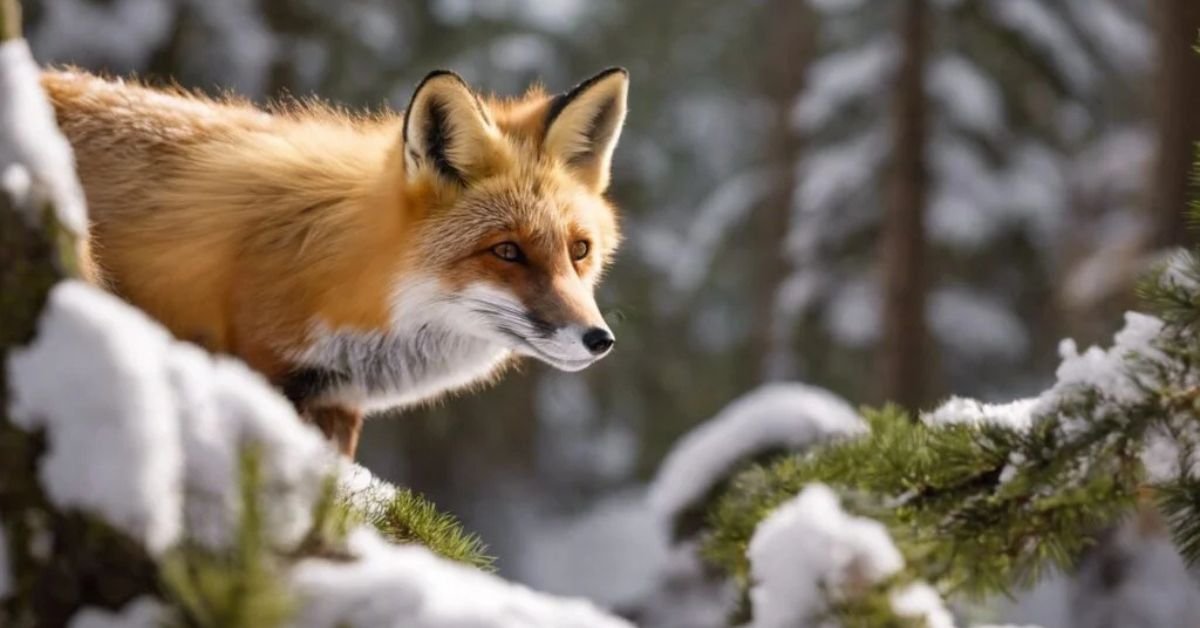
Coniferous forests are forests dominated by cone-bearing trees like pine, spruce, and fir. These forests are found in cold or temperate regions around the world. They provide homes for many types of animals and birds. Wildlife in coniferous forests includes mammals, birds, insects, and even amphibians.
These forests are full of life, but many animals are hard to spot. You might hear birds singing or see tracks in the snow. Every visit can reveal something new about how animals live and survive in these forests.
In this guide, we will explore the different animals that live in coniferous forests. You will learn about their habits, habitats, and how they adapt to cold and changing seasons. This information will help you understand and appreciate wildlife in these unique forests.
Coniferous Forest Animals
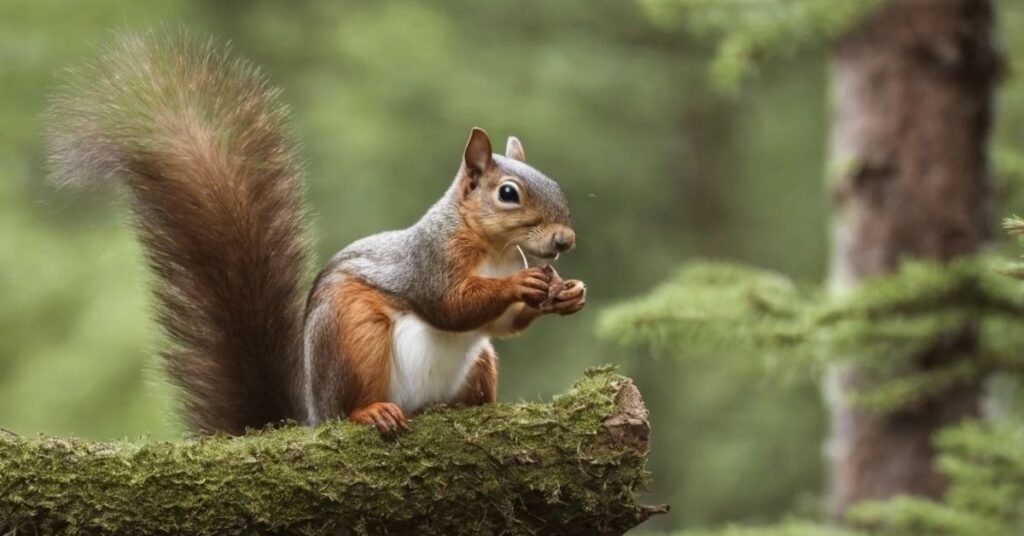
Coniferous forests are home to many different animals. You can find deer, foxes, bears, and squirrels. Birds like owls, woodpeckers, and crossbills also live here. Many animals use the trees and the forest floor for shelter and food.
Some animals are active during the day, while others come out at night. They adapt to the cold winters and changing seasons. Insects and small mammals are important too, as they help the forest stay healthy. These forests are full of life if you look closely.
The Rich Biodiversity of Coniferous Forests
Coniferous forests have a wide variety of plants and animals. Tall pine, spruce, and fir trees create homes for many species. Birds, mammals, insects, and fungi all thrive in these forests. Each species plays a role in keeping the forest healthy.
The forests change with the seasons, which affects the wildlife. Some animals hibernate, while others migrate. Plants and trees adapt to cold winters and short summers. This rich biodiversity makes coniferous forests unique and full of life.
Ecological Roles: How Animals Maintain Forest Balance
Animals in coniferous forests play an important role in keeping the ecosystem healthy. Deer and other herbivores help control plant growth. Predators like foxes and owls keep prey populations in check. This balance prevents any one species from taking over.
Small animals and insects also help in other ways. They pollinate plants, spread seeds, and break down dead matter. This returns nutrients to the soil and supports new growth. Every animal, big or small, contributes to a balanced and thriving forest.
Animals Living in the Coniferous Forest
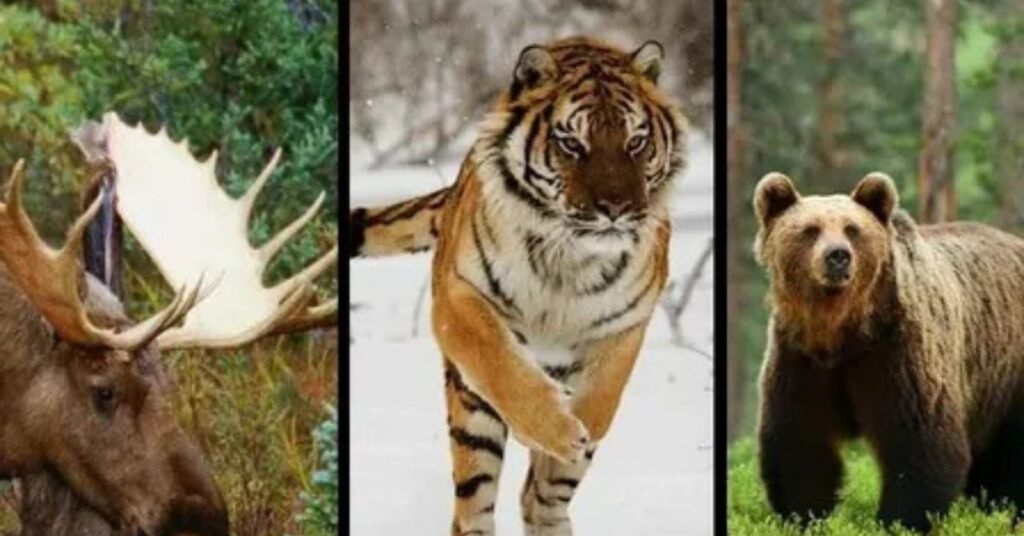
Coniferous forests are home to many different animals. Large mammals like bears, deer, and wolves roam these forests. Smaller animals such as foxes, squirrels, and rabbits also live here. Each species has its own role in the forest ecosystem.
Birds are very common in these forests. Owls, woodpeckers, and crossbills make their nests in trees. Insects and amphibians live on the forest floor and in ponds. Together, all these animals create a rich and balanced environment.
Birds of the Coniferous Forest
Coniferous forests are home to many types of birds. Owls, woodpeckers, and crossbills are some of the most common. These birds use the tall trees for nesting and shelter.
Many birds feed on seeds, insects, and small animals. Some migrate during the winter, while others stay year-round. Birds play an important role in spreading seeds and keeping the forest ecosystem healthy.
Insects of the Coniferous Forest
Insects are an important part of coniferous forests. Beetles, ants, and butterflies live among the trees and on the forest floor. They help pollinate plants and break down dead leaves and wood.
Some insects are food for birds, small mammals, and amphibians. They also help spread seeds and keep the soil healthy. Even though they are small, insects play a big role in keeping the forest alive and balanced.
Characteristics of Coniferous Woods
Coniferous woods are forests dominated by cone-bearing trees like pine, spruce, and fir. These trees usually have needle-like leaves and stay green all year. The forests are found in cold or temperate regions with long winters and short summers.
The soil is often acidic and low in nutrients, but many plants and animals adapt to it. Coniferous woods have dense tree cover, which provides shelter for wildlife. Streams, wetlands, and forest floors create diverse habitats within the forest.
Unique Wildlife and Their Habitats
Coniferous forests are home to unique wildlife found nowhere else. Bears, lynxes, and wolves roam the dense forests, while elk and deer graze in open clearings. Birds like owls, woodpeckers, and crossbills live in tree canopies and nest in branches.
Smaller animals, insects, and amphibians make their homes in the forest floor, leaf litter, and wetlands. Each species adapts to the cold winters and changing seasons. These varied habitats help maintain a balanced and thriving ecosystem in the forest.
Birds of the Coniferous Forest
Coniferous forests are full of birdlife. Owls, woodpeckers, and crossbills are commonly found here. They use the tall trees for nesting, shelter, and food.
Many birds feed on seeds, insects, and small animals. Some migrate in winter, while others stay year-round. Birds help spread seeds and control insect populations, keeping the forest ecosystem healthy.
Mammals of the Coniferous Forest
Coniferous forests are home to many mammals. Bears, deer, wolves, and lynxes roam the forests. Smaller mammals like squirrels, foxes, and rabbits also live here.
These mammals find food, shelter, and protection among the trees. Some hibernate in winter, while others stay active year-round. Mammals play a key role in keeping the forest ecosystem balanced.
Large Mammals
Large mammals are an important part of coniferous forests. Animals like bears, deer, elk, and wolves roam these forests. They need wide spaces for food, shelter, and movement.
These mammals help maintain balance in the ecosystem. Herbivores like deer and elk control plant growth, while predators like wolves keep prey populations in check. Their presence supports a healthy and thriving forest.
Small Mammals and Rodents
Small mammals and rodents are common in coniferous forests. Squirrels, rabbits, chipmunks, and mice live among trees and on the forest floor. They feed on seeds, nuts, and plants.
These animals are important for the forest ecosystem. They spread seeds, help plants grow, and serve as food for larger predators. Even though they are small, they play a big role in keeping the forest healthy.
Read More: Richloam Wildlife Management Area: A Complete Guide for Visitors
Migratory Species
Coniferous forests are home to many migratory species. Birds and some insects travel long distances to find food or breed. These animals visit the forest during certain seasons. They depend on the forest for shelter, nesting, and feeding.
Migratory species play an important role in the ecosystem. They help spread seeds and control insect populations. Many return every year, making the forest lively and diverse. Below is a table of common migratory species found in coniferous forests:
| Species | Type | Migration Pattern | Role in Forest Ecosystem |
| Warblers | Bird | Summer visitors from the south | Insect control, seed dispersal |
| Crossbills | Bird | Seasonal movement based on food | Seed spreading, forest regeneration |
| Owls (Northern Saw-whet) | Bird | Winter migration to milder areas | Predator control balances rthe odent population |
| Monarch Butterflies | Insect | Long-distance migration south in winter | Pollination |
| Dragonflies | Insect | Seasonal migration for breeding | Controls mosquito and insect populations |
| Sandhill Cranes | Bird | Winter in warmer regions | Seed dispersal, nutrient cycling |
| Ruby-throated Hummingbirds | Bird | Summer breeding, winter migration south | Pollination |
| Blackpoll Warbler | Bird | Long migratory route across North America | Insect control, seed dispersal |
This table shows how migratory species contribute to forest health. They bring diversity and support many ecological processes. Observing them can be fascinating for visitors and nature lovers.
5 FAQs about wildlife in coniferous forests with short answers:
- What animals live in coniferous forests?
Coniferous forests are home to mammals, birds, insects, and amphibians like bears, owls, squirrels, and crossbills. - Why are coniferous forests important for wildlife?
They provide shelter, food, and breeding grounds for many species throughout the year. - Do animals in coniferous forests migrate?
Yes, many birds and some insects migrate seasonally to find food or breed. - What role do mammals play in the forest ecosystem?
Herbivores control plant growth, and predators keep prey populations balanced. - Are insects important in coniferous forests?
Yes, they pollinate plants, spread seeds, and provide food for birds and small mammals.
Conclusion
Coniferous forests are full of life and diversity. They provide homes for mammals, birds, insects, and many other creatures. Each animal plays an important role in keeping the forest balanced and healthy.
These forests change with the seasons, and wildlife adapts in amazing ways. Migratory species add even more diversity. Understanding the animals and their habitats helps us appreciate and protect these unique forests.