Introduction
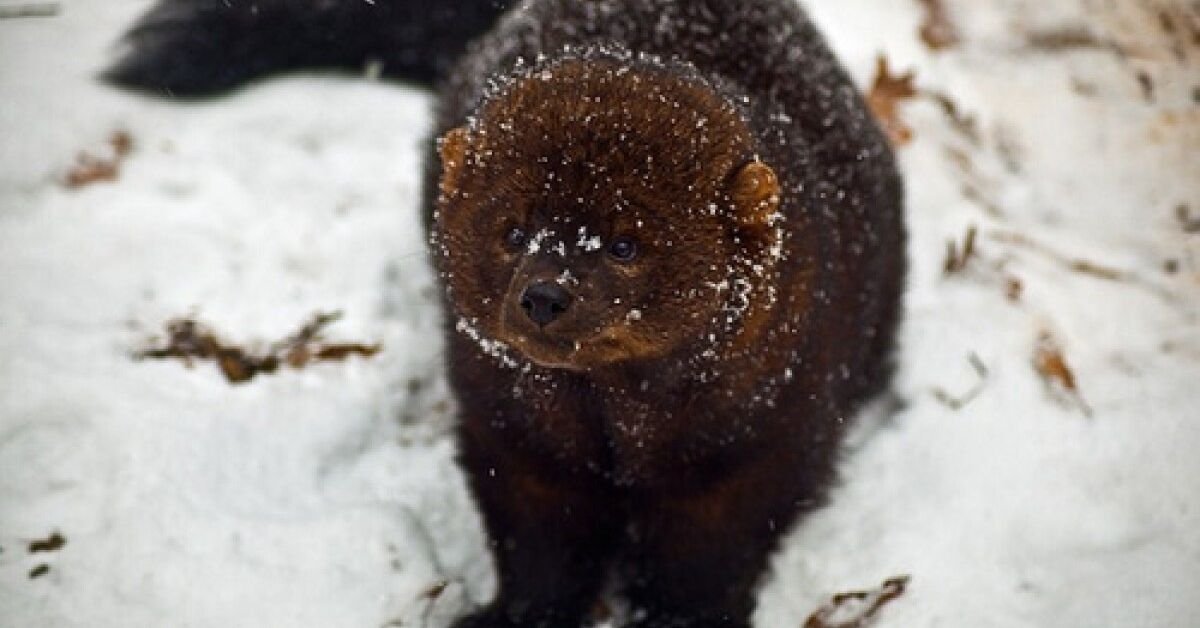
Pennsylvania wildlife includes all the animals that live naturally in the state. These animals survive in forests, mountains, rivers, and wetlands. Mammals, birds, and reptiles are an important part of Pennsylvania’s natural environment.
Pennsylvania is home to many interesting animals. Some are easy to see, while others stay hidden. From white-tailed deer to colorful birds and quiet reptiles, wildlife is all around us if we know where to look.
In this topic, we will explore the mammals, birds, and reptiles found in Pennsylvania. You will learn about common species and where they live. This guide will help you better understand and appreciate Pennsylvania wildlife.
Animals in Pennsylvania
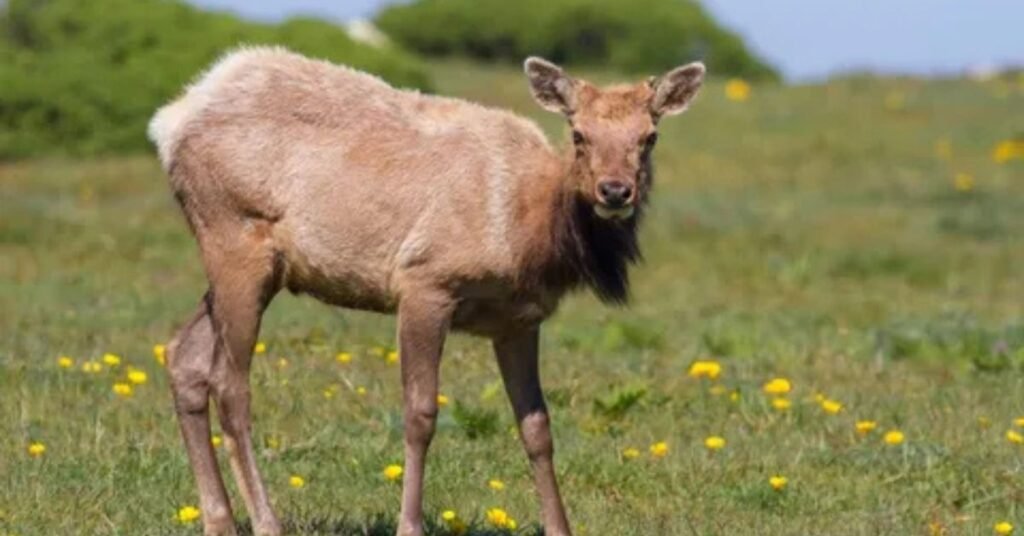
Pennsylvania is home to many different animals. Forests, rivers, and fields provide safe places to live. Deer, black bears, and foxes are some common mammals found in the state. Many animals are active during the early morning or at night.
Birds and smaller animals are also easy to spot. Songbirds, hawks, and owls live in trees and open areas. Turtles, snakes, and frogs can be found near water. These animals all play an important role in Pennsylvania’s natural balance.
Pennsylvania Owls
Pennsylvania owls are quiet birds that hunt mostly at night. They have strong wings and sharp eyes. Common species include the great horned owl, barred owl, and eastern screech owl. These owls live in forests, fields, and even near towns.
Owls help control rodent populations. They eat mice, rats, and small animals. You may hear their calls at night before you see them. Pennsylvania owls are an important part of the state’s wildlife ecosystem.
Barred Owl
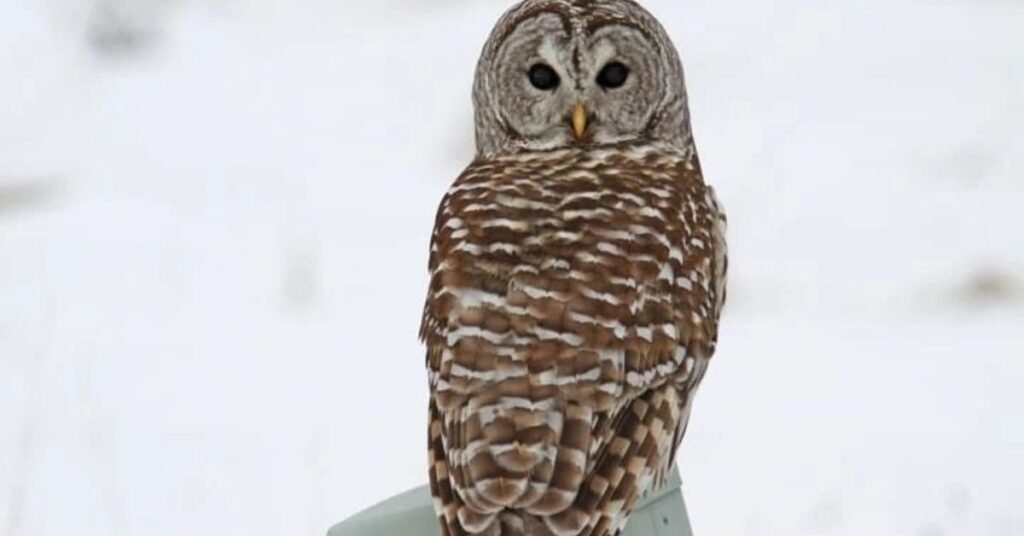
The barred owl is a large owl found in Pennsylvania. It has brown and white feathers with dark bars across its chest. This owl is known for its loud call that sounds like “Who cooks for you?” It usually lives in forests near rivers and swamps.
Barred owls hunt mostly at night. They eat small animals like mice, frogs, and birds. These owls are strong flyers and very quiet when they move. The barred owl plays an important role in Pennsylvania wildlife by helping control animal populations.
Northern Saw-whet Owl
The northern saw-whet owl is one of the smallest owls in Pennsylvania. It has a round head, big yellow eyes, and brown feathers with white spots. This owl is hard to see because it is very quiet and well hidden in trees.
Northern saw-whet owls hunt at night. They mostly eat mice and other small animals. Their call sounds like a soft whistle, similar to a saw being sharpened. Even though they are small, these owls are an important part of Pennsylvania’s wildlife.
Snowy Owl
The snowy owl is a large and striking bird that sometimes appears in Pennsylvania during winter. It has white feathers with dark markings and bright yellow eyes. Snowy owls normally live in the Arctic, but they move south when food becomes scarce.
These owls hunt both during the day and at night. They feed on small mammals and birds. Snowy owls are often spotted in wide open spaces like fields, shorelines, and airports. Seeing a snowy owl in Pennsylvania is rare and exciting for many wildlife fans.
Where to Find the Top Wild Animals in Pennsylvania
You can find wild animals all across Pennsylvania. Forests are home to deer, black bears, and foxes. State parks and game lands are some of the best places to see wildlife safely.
Rivers, lakes, and wetlands attract many animals. Beavers, otters, frogs, and turtles live near water. Open fields and mountains are good places to spot birds of prey. Early mornings and quiet evenings are the best times to look for Pennsylvania wildlife.
The Most Dangerous Animals in Pennsylvania Today
Pennsylvania does not have many deadly animals, but some can still be dangerous. Black bears are usually shy, but they can attack if they feel threatened. Coyotes may also become aggressive if they are sick or protecting their young.
Snakes can be another risk. The timber rattlesnake and copperhead are venomous and live in some areas of the state. Deer can also be dangerous, especially on roads, where collisions happen often. Staying alert and respecting wildlife helps keep people safe in Pennsylvania.
Wildlife Viewing
Wildlife viewing in Pennsylvania is a fun way to see animals in their natural habitats. Forests, rivers, wetlands, and fields are full of birds, mammals, and reptiles. State parks and nature reserves are the best places to start.
Early mornings and late evenings are the best times to watch animals. Bring binoculars or a camera to get a closer look without disturbing them. Always staying quiet and keeping a safe distance helps you enjoy wildlife safely and respectfully.
Read More: Zion National Park Wildlife: Animals You’ll See and Where to Find Them
Wildlife Health Program
The Wildlife Health Program in Pennsylvania works to keep animals healthy. It studies diseases, injuries, and environmental threats that affect wildlife. The program helps prevent the spread of diseases to other animals and humans. It also monitors the health of birds, mammals, reptiles, and amphibians.
The program shares information with the public and trains wildlife workers. It studies many types of wildlife problems. The table below shows some key areas of focus:
| Focus Area | Description |
| Disease Monitoring | Tracking illnesses like rabies, distemper, and avian flu |
| Injury Response | Treating injured animals and coordinating rehabilitation |
| Population Health Studies | Observing trends in animal populations to detect health issues |
| Habitat Assessment | Checking habitats for pollution or conditions that harm wildlife |
| Public Education | Teaching people how to protect wildlife and prevent disease spread |
| Research | Studying wildlife biology, behavior, and threats to improve conservation |
| Collaboration with Agencies | Working with state, federal, and local groups for wildlife health efforts |
This program is important to protect Pennsylvania’s wildlife and the environment. Healthy animals help keep ecosystems balanced and safe.
5 FAQs about Pennsylvania wildlife with short, simple answers:
- What are the most common wild animals in Pennsylvania?
Deer, black bears, foxes, squirrels, and raccoons are common in forests and parks. - When is the best time to watch wildlife in Pennsylvania?
Early mornings and late evenings are the best times to see animals active. - Are there any dangerous animals in Pennsylvania?
Yes, black bears, coyotes, and venomous snakes like timber rattlesnakes and copperheads. - Where can I go for wildlife viewing in Pennsylvania?
State parks, game lands, wetlands, forests, and rivers are great spots for wildlife. - What does the Wildlife Health Program do?
It monitors diseases, treats injured animals, studies populations, and protects wildlife health.
Conclusion
Pennsylvania is home to a wide variety of wildlife, from mammals and birds to reptiles and owls. Exploring forests, fields, rivers, and wetlands gives people a chance to see these animals in their natural habitats.
Learning about wildlife, staying safe, and respecting their space is important for both animals and humans. Programs like the Wildlife Health Program help keep Pennsylvania’s animals healthy and ecosystems balanced. Observing and protecting wildlife makes the state a richer and more exciting place for everyone.